Garage Door Repair for University Park Homes in Allen

University Park, Allen

Garage Door Repair for University Park Homes

Serving University Park from Allen, 19 miles out. Homes here date to the late 1980s, older hardware than the rest of the service area - here's what that means for repairs.

Serving Allen, TXBackground-checked techsHonest, upfront pricingFast local response

Local detail

What the Repair Takes

University Park's houses mostly went up around 1987 - a good decade or more before the wave of construction that shaped much of the rest of the Allen service area, where the median build year lands closer to 2005. That gap matters on every service call.

  1. Expect older, mixed hardware

    A door built in the late 80s is more likely to carry an older extension-spring setup or a torsion system that's been replaced once already by a previous owner, sometimes with parts that don't match the original opening. The configuration isn't a given the way it is on newer stock.

  2. Diagnose before we fix

    We come out from Allen - it's a 19-mile drive - and the first ten minutes on site is spent figuring out what's actually installed before we figure out what's broken. On a newer build we'd expect one of a handful of standard configurations; here we check twice.

  3. Check for mismatched sets

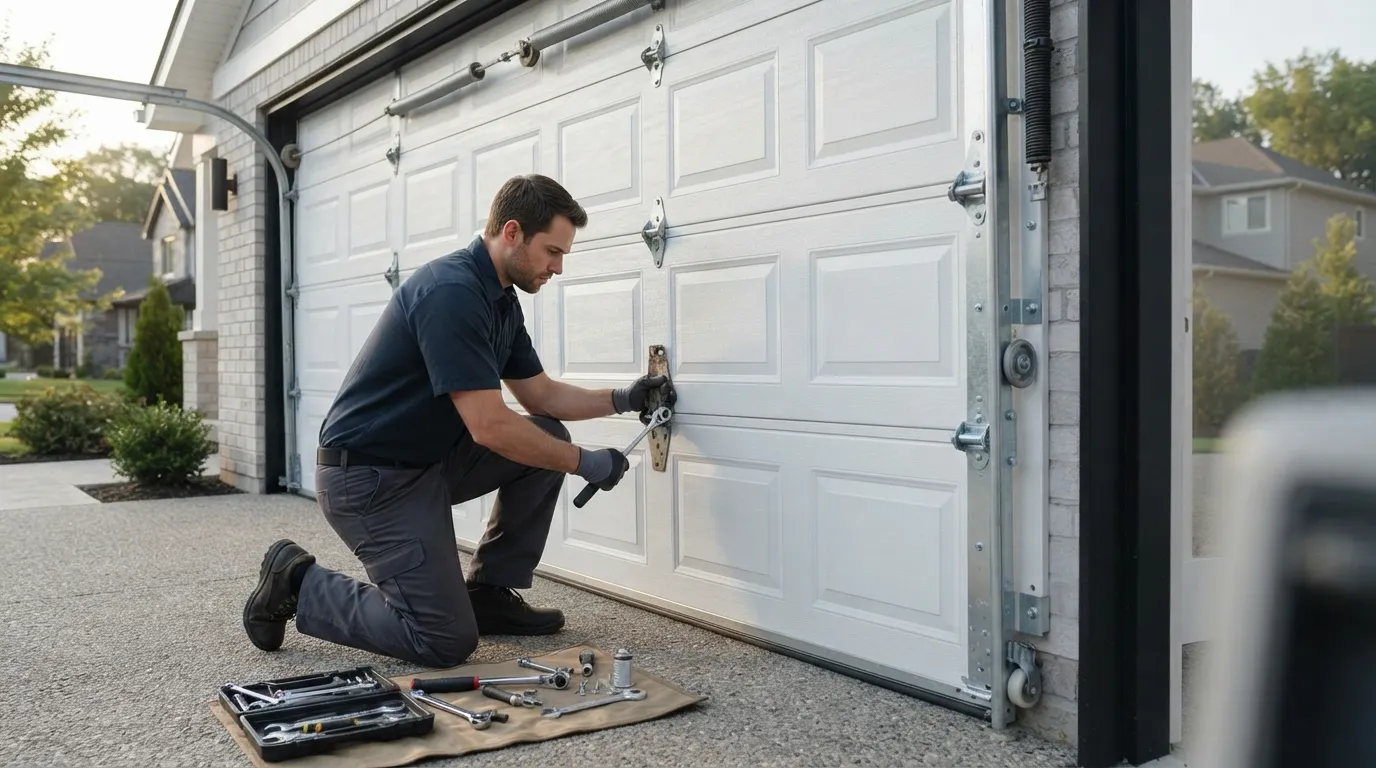
    Cables, rollers, and hinges on a 35-plus-year-old door have usually been touched by more than one installer over the years, and hardware doesn't always get swapped in matching sets. Confirming what's actually on the door keeps a repair from being built on a wrong assumption.

  4. An honest starting point

    That's the honest starting point for any repair quote in this neighborhood - we're not guessing at what's behind the panel, we're checking it. The quote follows the inspection, not the other way around.

The area

Can You Do This Yourself

On a door this age, some upkeep is genuinely fine for a homeowner and some of it isn't - and the line matters more here than on newer stock. Here is what's safe to check yourself and what should stay a call.

Safe homeowner upkeep

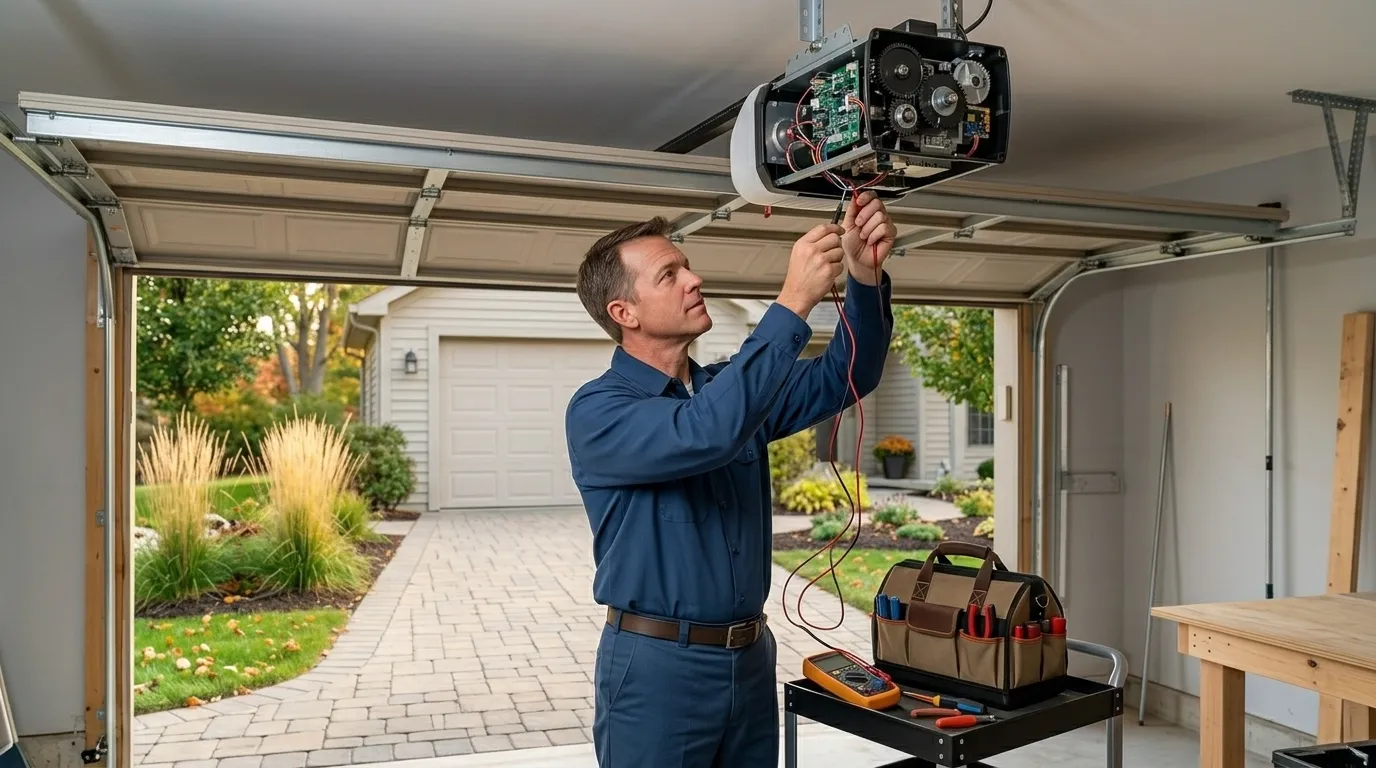
Some things are fine for a homeowner to handle: lubricating rollers and hinges, tightening loose bolts on the track brackets, swapping a remote battery, and clearing the photo-eye sensors if they're dirty or knocked out of alignment. None of that needs a tech.

Leave the spring and cables

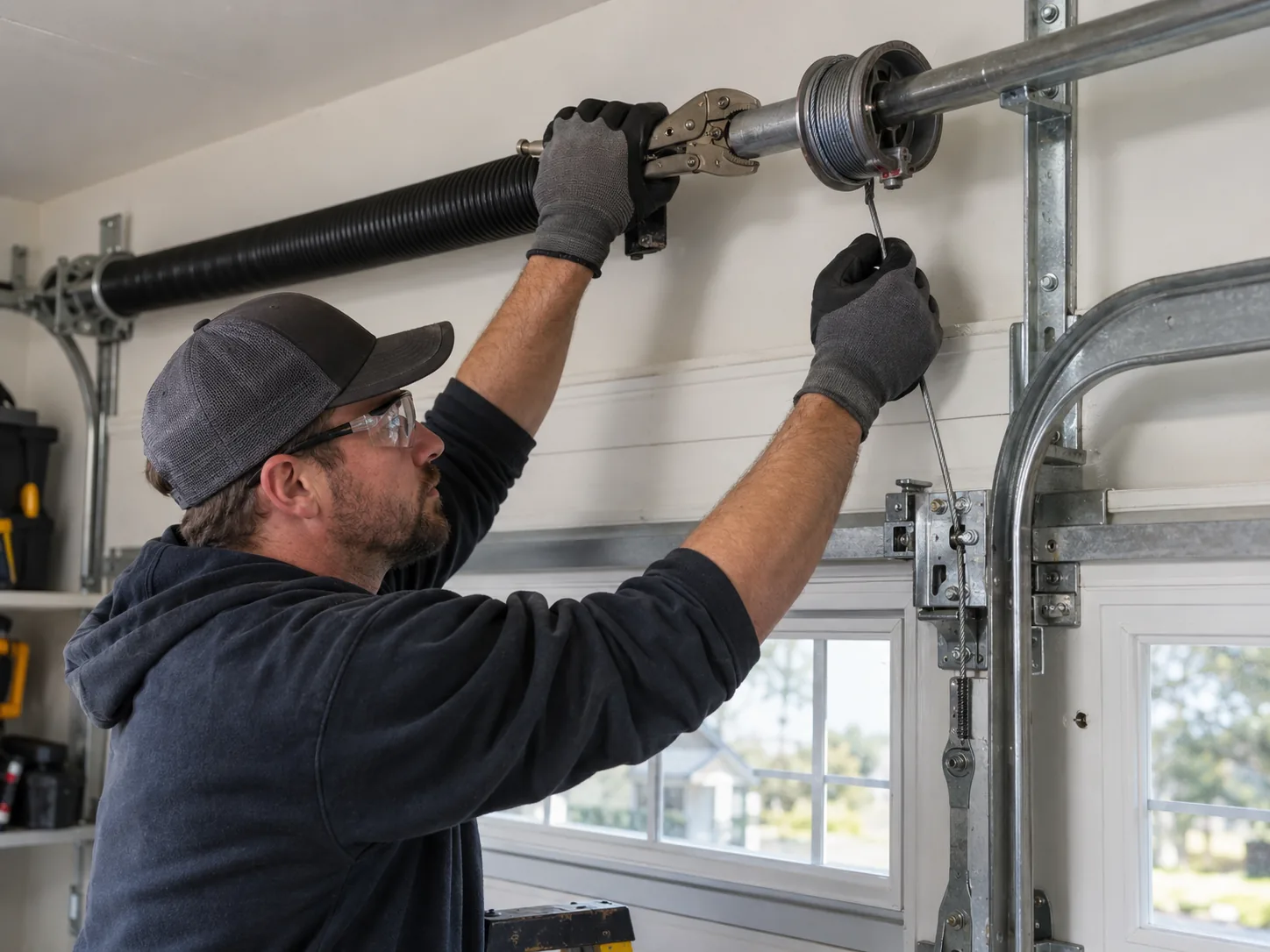
What you shouldn't touch is anything involving the torsion spring or the cables under tension. On a door this age especially, the spring may be original, and a spring that's 35 years old doesn't behave the way a new one does when it lets go.

Off-track or snapped cable

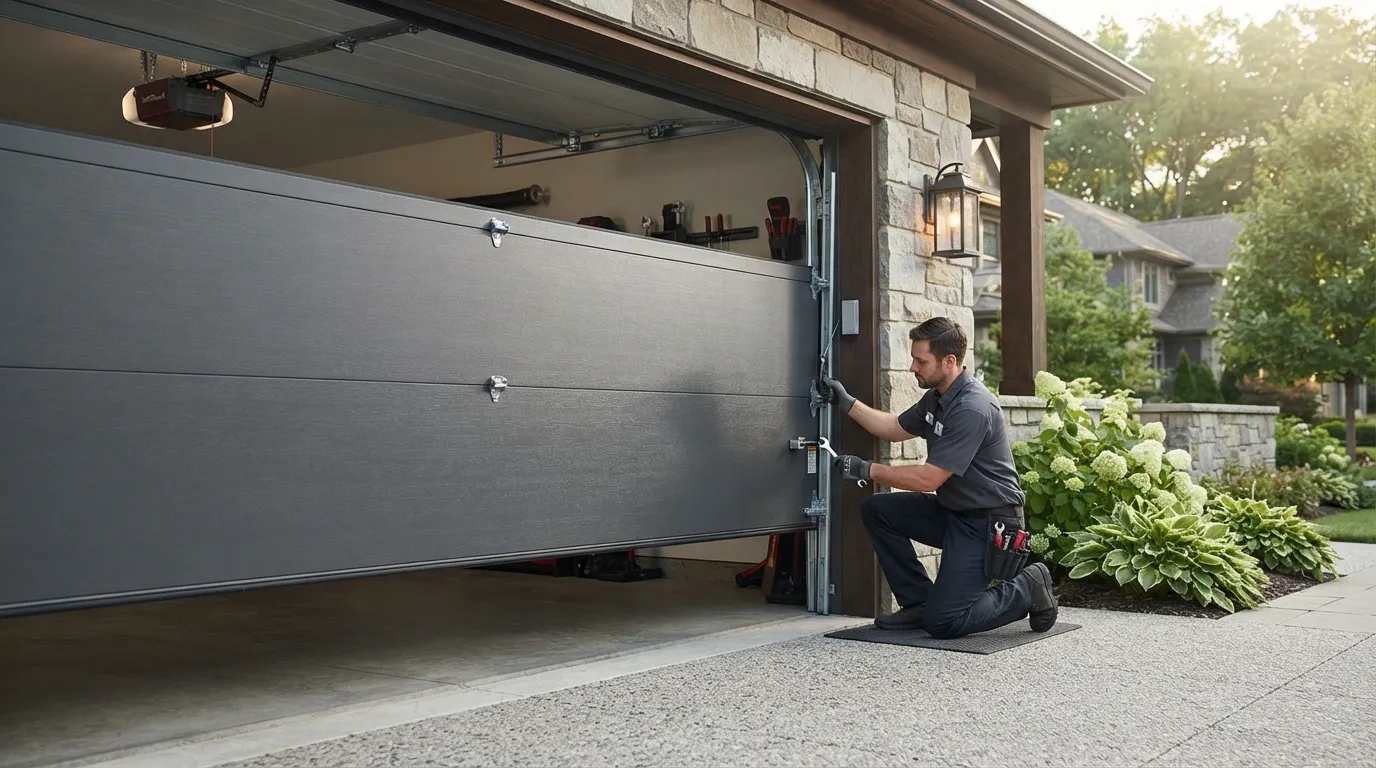
If the door is off its tracks, or a cable has snapped, that's a call, not a weekend project. Those are the failures where an old, fatigued spring can turn a DIY attempt into an injury fast.

Why we draw the line

We'd rather tell you the three things you can safely check yourself than have you find out the hard way why the fourth one isn't on that list. The honest limit is there for a reason on hardware this old.

What we find

What Causes It Around Here

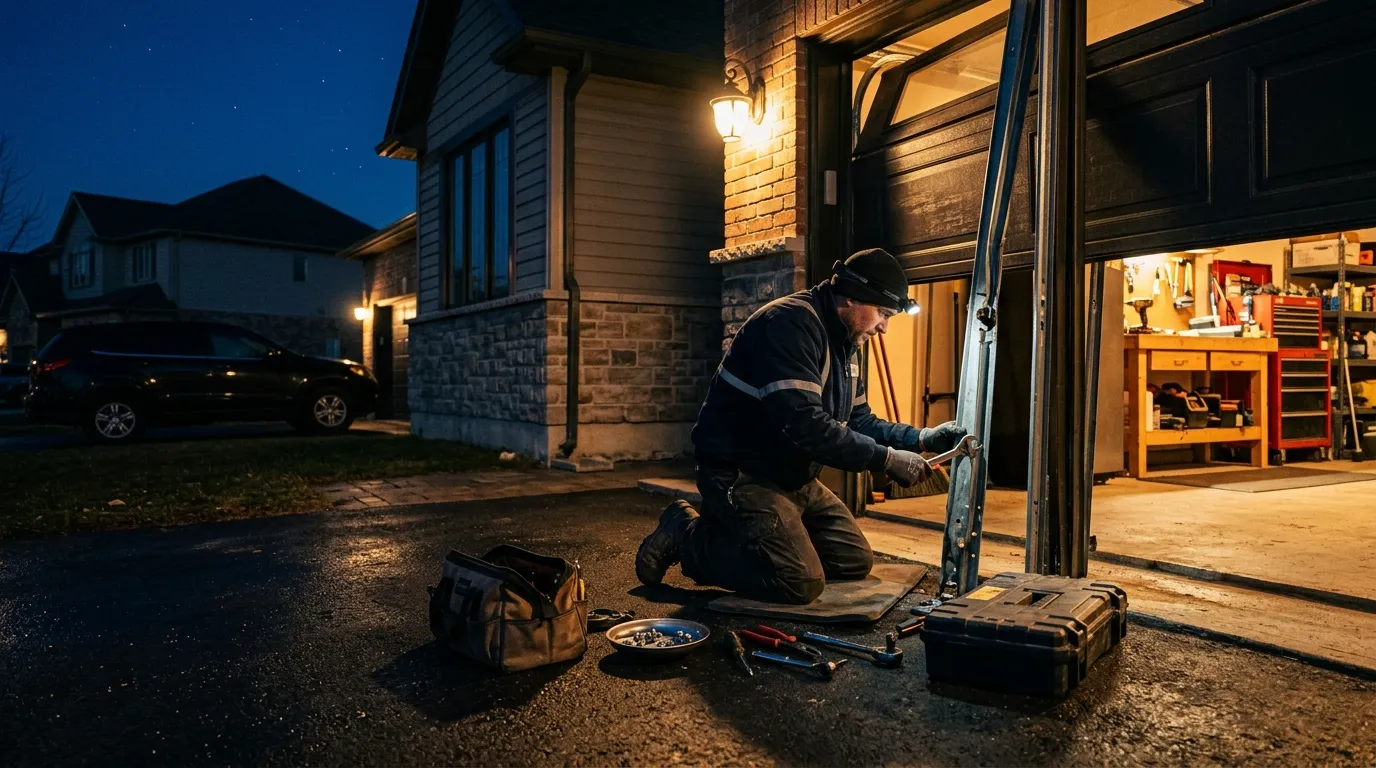
With a median build year of 1987, the failures we see most in University Park trace back to age rather than weather extremes - the climate here runs moderate on heat, so we're not chasing the kind of thermal expansion issues that show up in harsher bands. What we do see is fatigue: springs that have done their 10,000-plus cycles and are past due, rollers worn down to bare metal after decades of use, and openers original to the house that are simply at the end of their working life. Track misalignment shows up more often here too, usually from small settling over 35+ years rather than a single event. It's a different failure profile than a 2005-built house a few miles away, where the more common call is a first or second spring replacement rather than a fourth.

What Causes It Around Here
What It Costs

How we work

What It Costs

We don't have a fixed local price list to publish here - costs depend on what's actually broken and what parts the specific door needs, which on a house this age can vary more than on newer stock. What we can say is that older torsion and extension systems sometimes need a part that isn't a standard stock item anymore, and tracking that down can add to both the cost and the timeline. We'll always tell you upfront if that's the situation before doing the work, not after.

Good to know

What Can Go Wrong

On a door this age, the risk isn't usually a single dramatic failure - it's small issues compounding until one of them stops the door. Here is what that looks like, and when a repair stops being worth doing.

Small issues compound

A worn roller left too long wears the track. A slightly misaligned photo-eye gets ignored until the opener won't close the door at all. On hardware this old, minor problems don't stay minor - they take the parts around them down with them.

An original spring past its life

The one we take most seriously is a spring that's original to a 1987 install: by now it's well past any reasonable service life, and if it's not been replaced, that's usually the first thing we flag regardless of what the original complaint was.

When repair isn't worth it

We'll tell you plainly when a repair isn't worth doing. If the opener and the springs and the panels are all near end of life at once, patching one piece often just means we're back for the next one within the year, and replacement ends up being the better call.

Time on the Job

Worth knowing

Time on the Job

Because we're coming from Allen - about 19 miles - the drive is part of the timeline, and we plan the visit around having the right parts on the truck rather than guessing and making a second trip. Most single-issue repairs, a spring or a set of cables or an opener swap, are a single visit once we're on site. Where older hardware needs a part that isn't standard stock, we'll say so at the estimate stage so you're not waiting to hear it after the fact.

Questions

Common questions

Why does my 1987 house need different parts than a newer house nearby?

Hardware standards shifted over the decades. A door built in 1987 is more likely to run an older torsion or extension configuration, and any hardware swapped in since then may not match the original spec. Newer builds in the area, closer to a 2005 median, tend to run more standardized modern systems, so parts are more predictable.

Do you have a branch in University Park?

No. We work out of Allen and drive to University Park for calls, about 19 miles each way. There's no local depot here, so travel time is part of scheduling any visit.

Is it worth repairing an opener this old or just replacing it?

Depends what else is failing at the same time. If the opener is original to a house built around 1987 and the springs or rollers are also near end of life, we'll usually tell you replacement is the better value rather than patching one part and coming back for the next.

What causes most of the repair calls in University Park specifically?

Mostly age-related wear rather than weather. Given the median build year around 1987, we see more original springs at end of cycle life, worn rollers, and openers that are simply old, compared to newer-built homes elsewhere in the service area.

Ready when you are

Need a garage door sorted in Allen?

Allen Garage Door Co repairs and installs garage doors, springs and openers in Allen, TX and the surrounding area.

CallGet a quote