Torsion Spring Systems
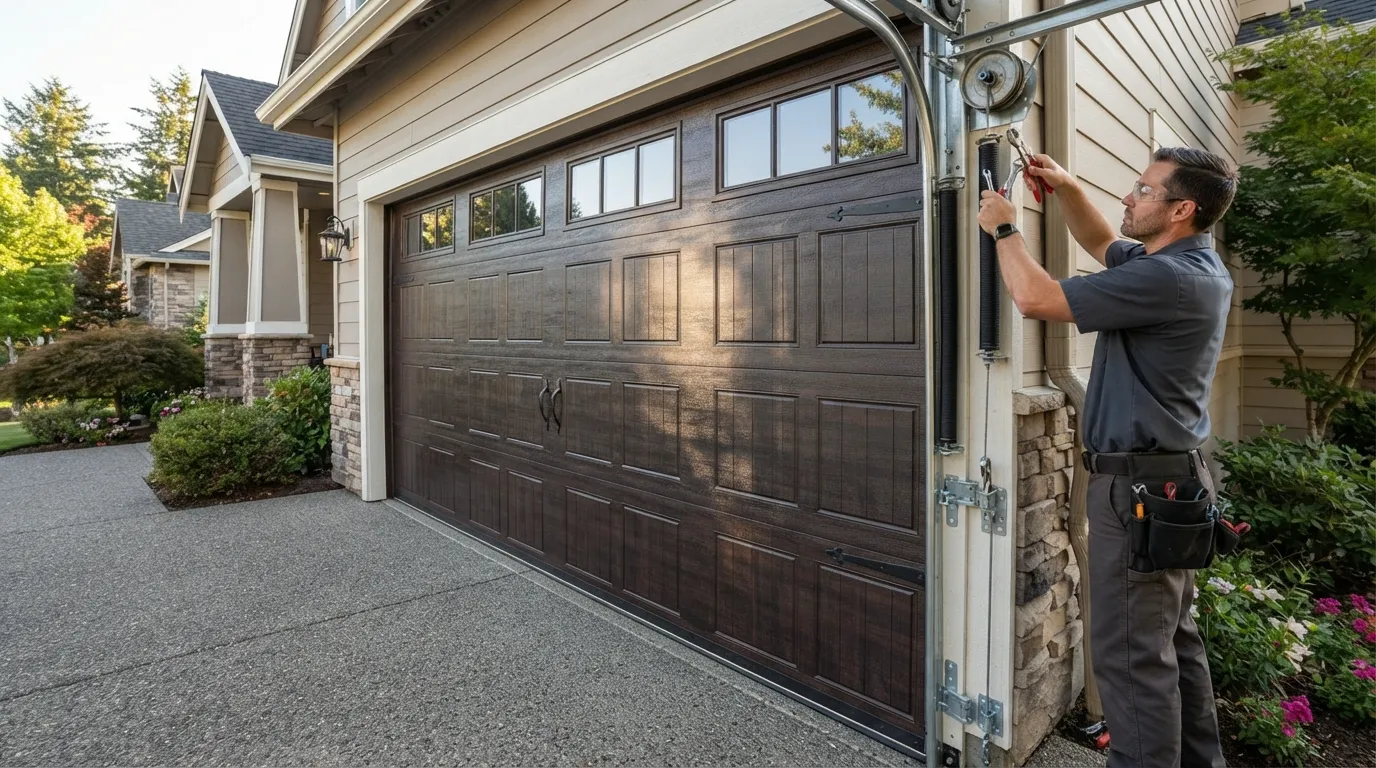
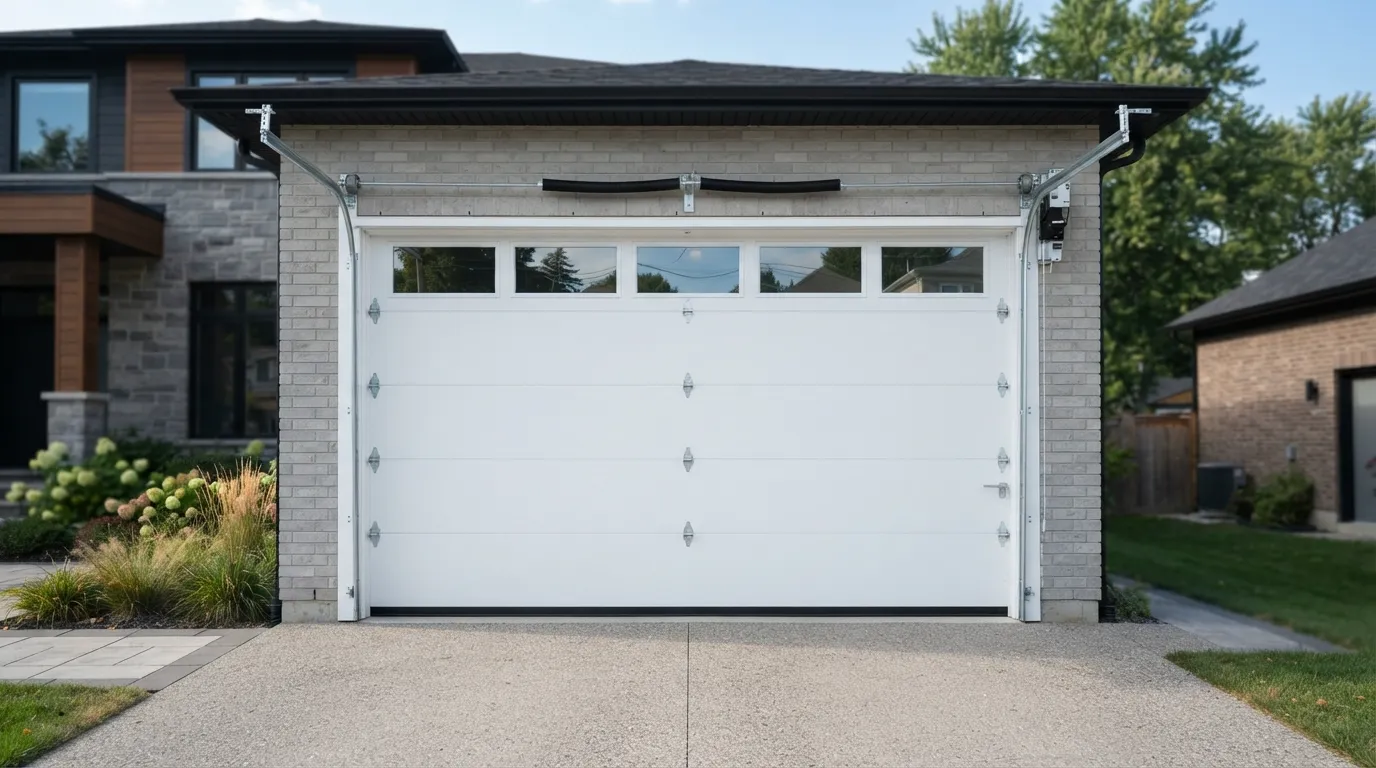
Overhead torsion springs are common across the area's newer residential garage door stock, so most spring work here is torsion rather than the older side-mounted extension type.
Local garage door service · Allen, TX
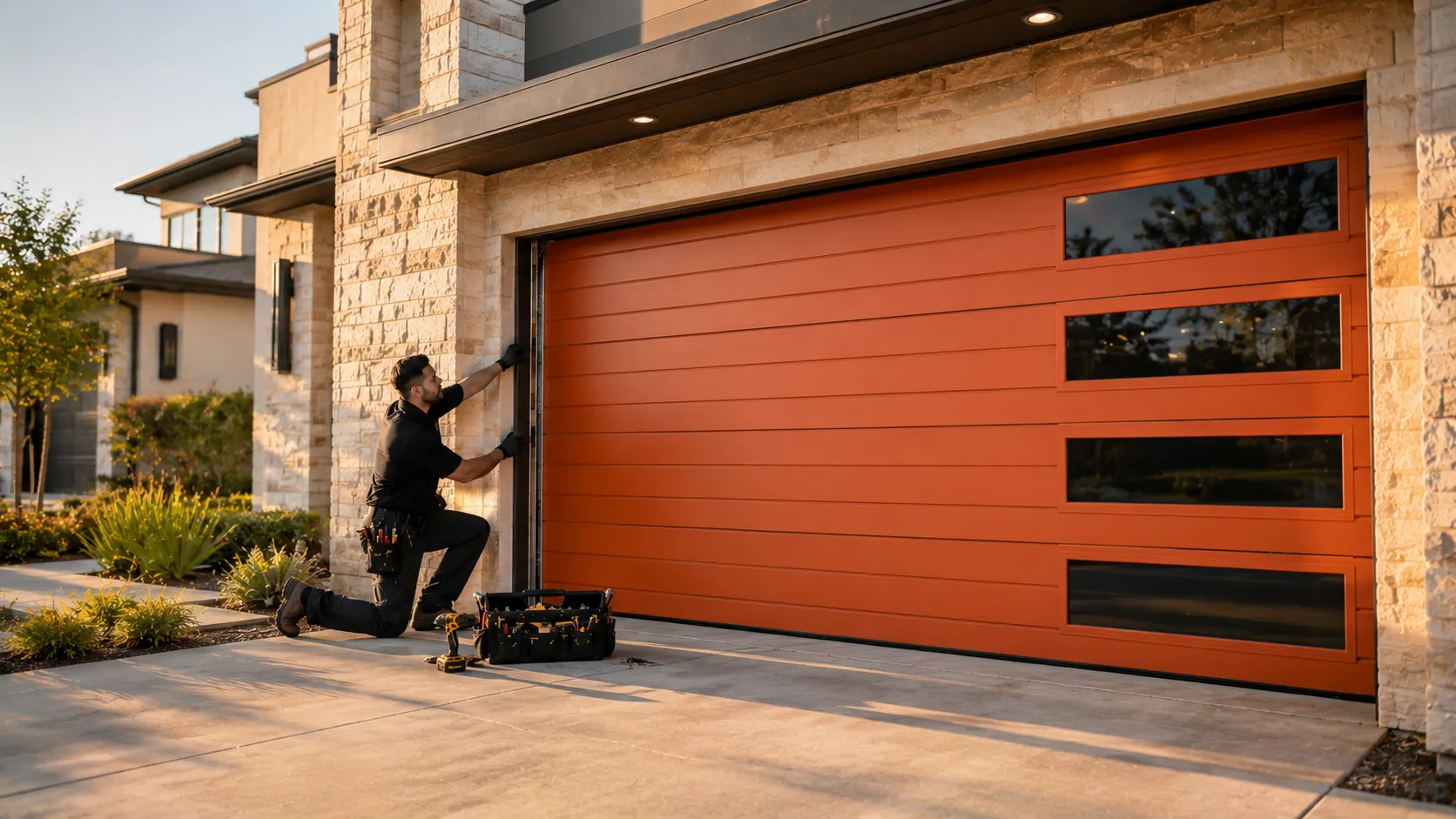
Garage door repair and service for Allen homes built mostly between 1971 and 2015, covering torsion springs, cables, rollers, tracks, openers, off-track doors, installation, and the residential garage door systems common across Allen's 2000s-heavy housing stock.
Garage door services
From broken springs and snapped cables to opener problems, off-track doors, installation, commercial garage doors, and general repair, the service lineup is built around the garage door systems common across Allen's newer housing stock.
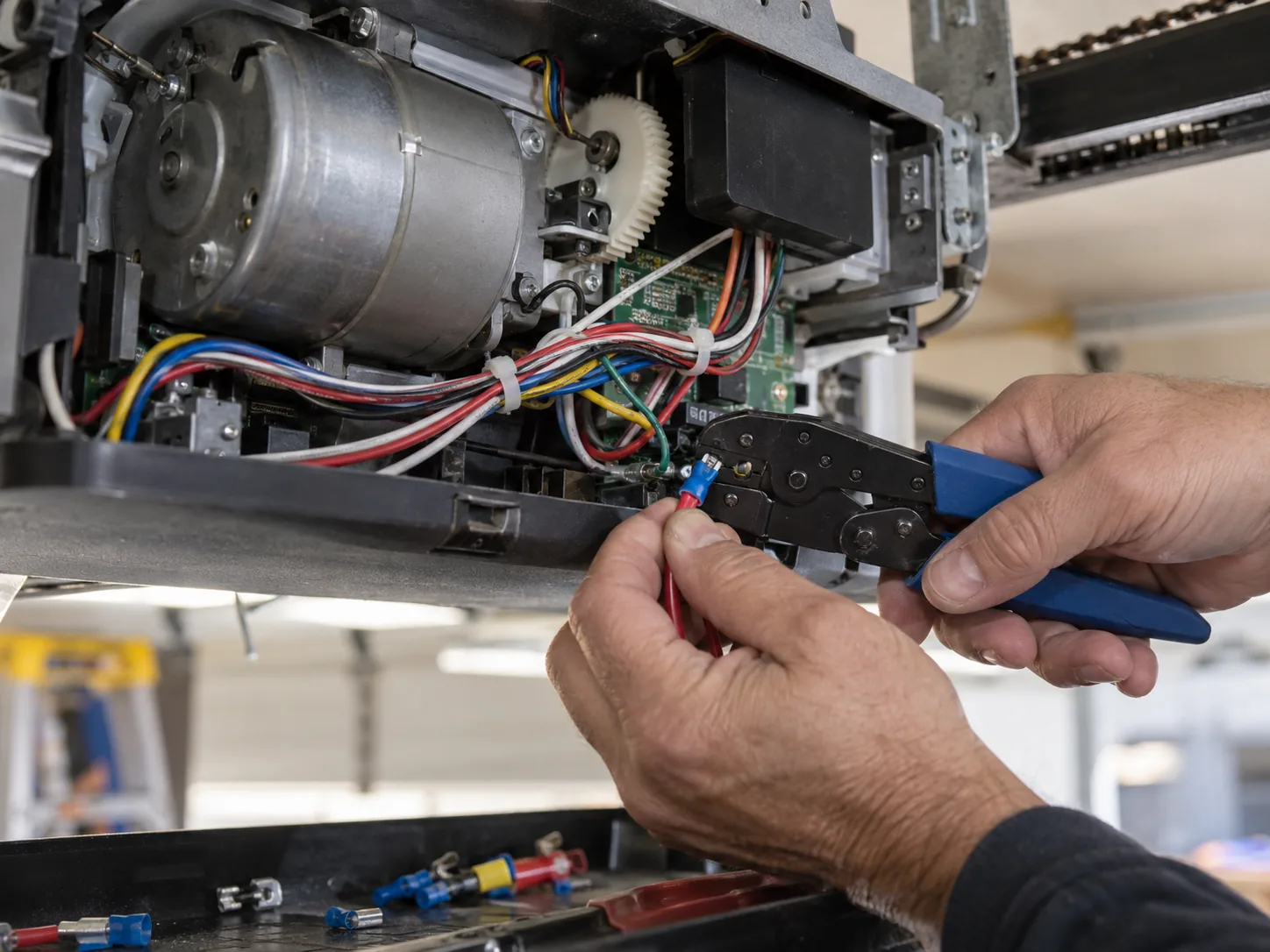
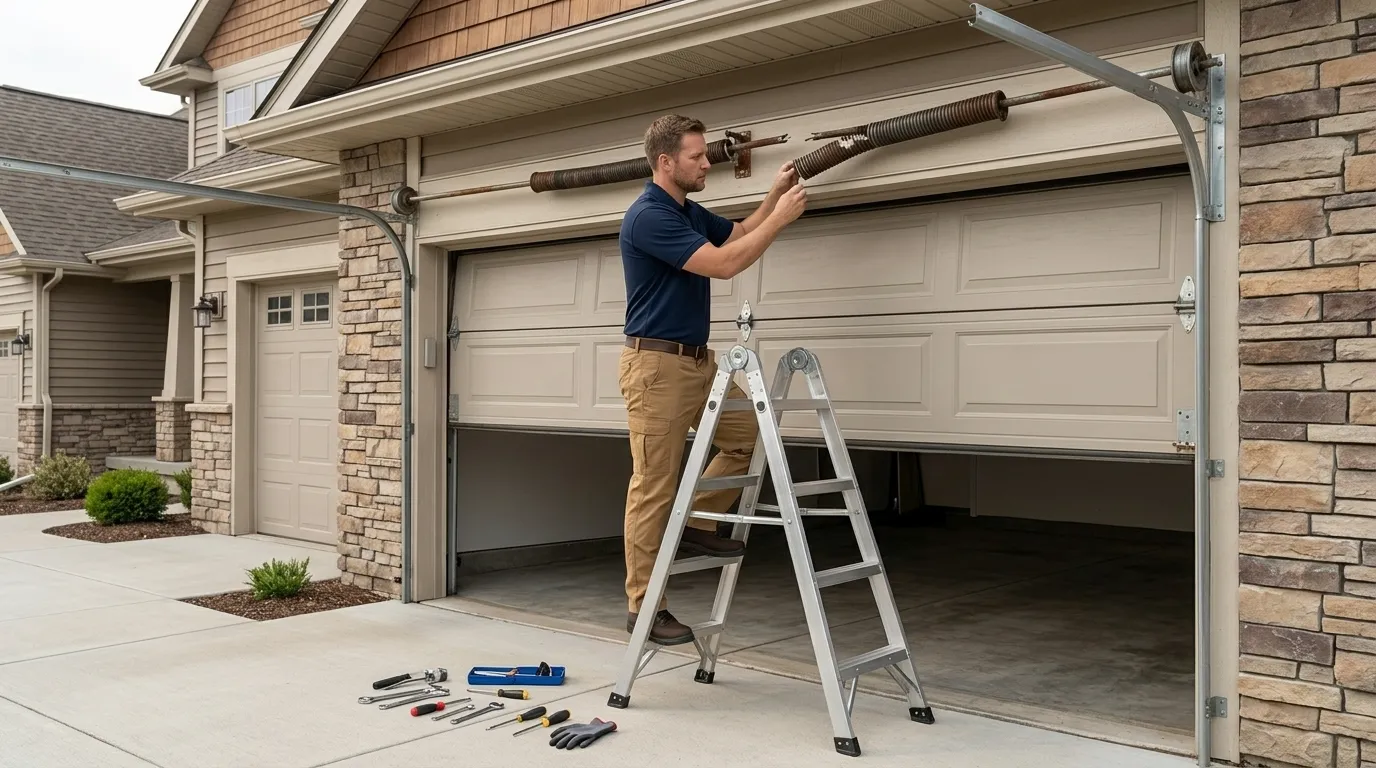
Clear repair guidance
We don't provide a flat price list, because the cost depends on the actual failure and the hardware installed on the door.
A torsion spring repair on a door from the early 2000s is a different job from replacing an opener, correcting a cable problem, or replacing damaged panels.
Allen's housing stock runs from 1971 through 2015, with a median build year around 2005, so much of the work involves relatively modern sectional doors, torsion systems, and chain- or belt-drive openers.
Components for this generation of hardware are often still available, although uncommon opener boards or specialty components can require additional sourcing.
The recommendation depends on whether repairing the existing system still makes practical sense compared with replacement.
What to expect
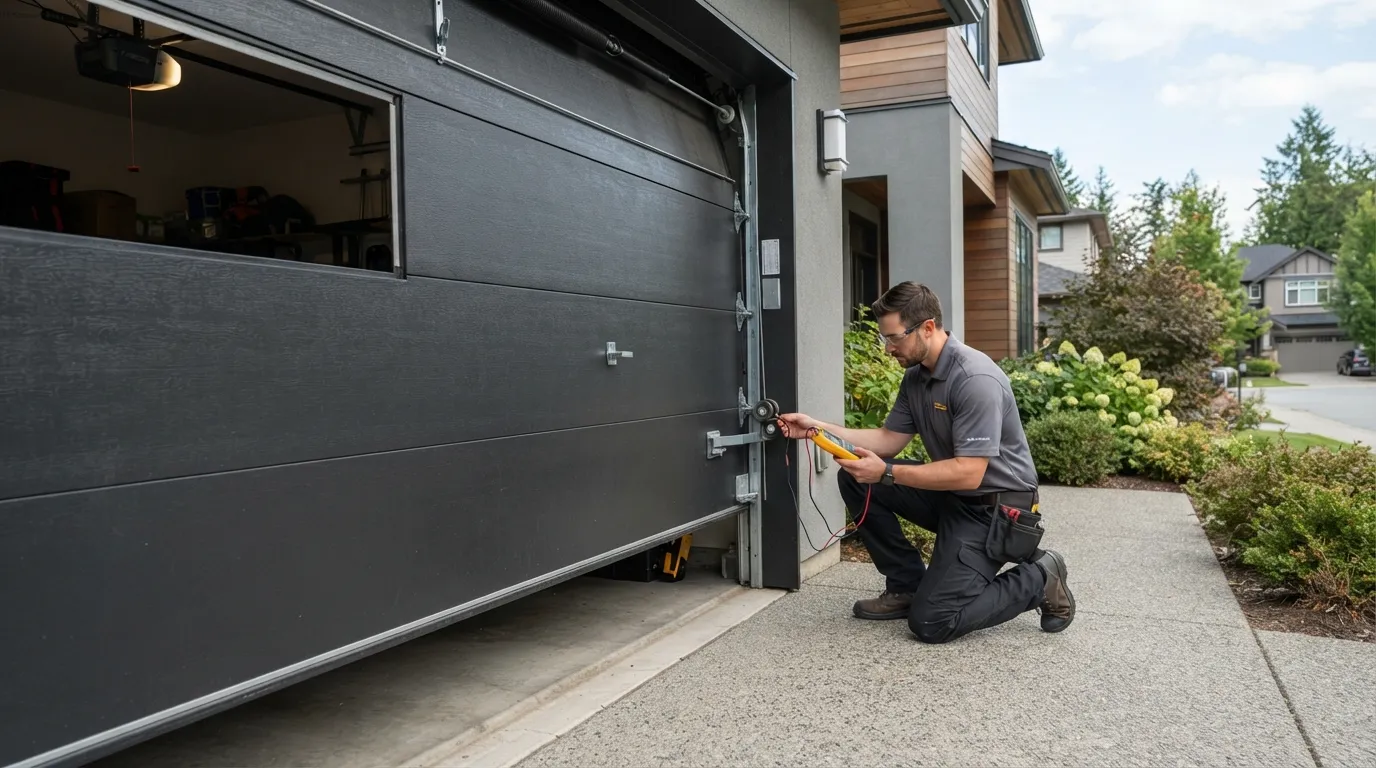
Before a truck leaves, we work to narrow down what's actually wrong. The symptoms you describe point toward the likely cause, and we inspect the installed door before repairing rather than assuming the first symptom tells the whole story.
Tell us whether the door won't open, comes down crooked, makes a grinding noise, or the opener isn't responding. The symptom is the starting point for narrowing down the cause before anyone is dispatched.
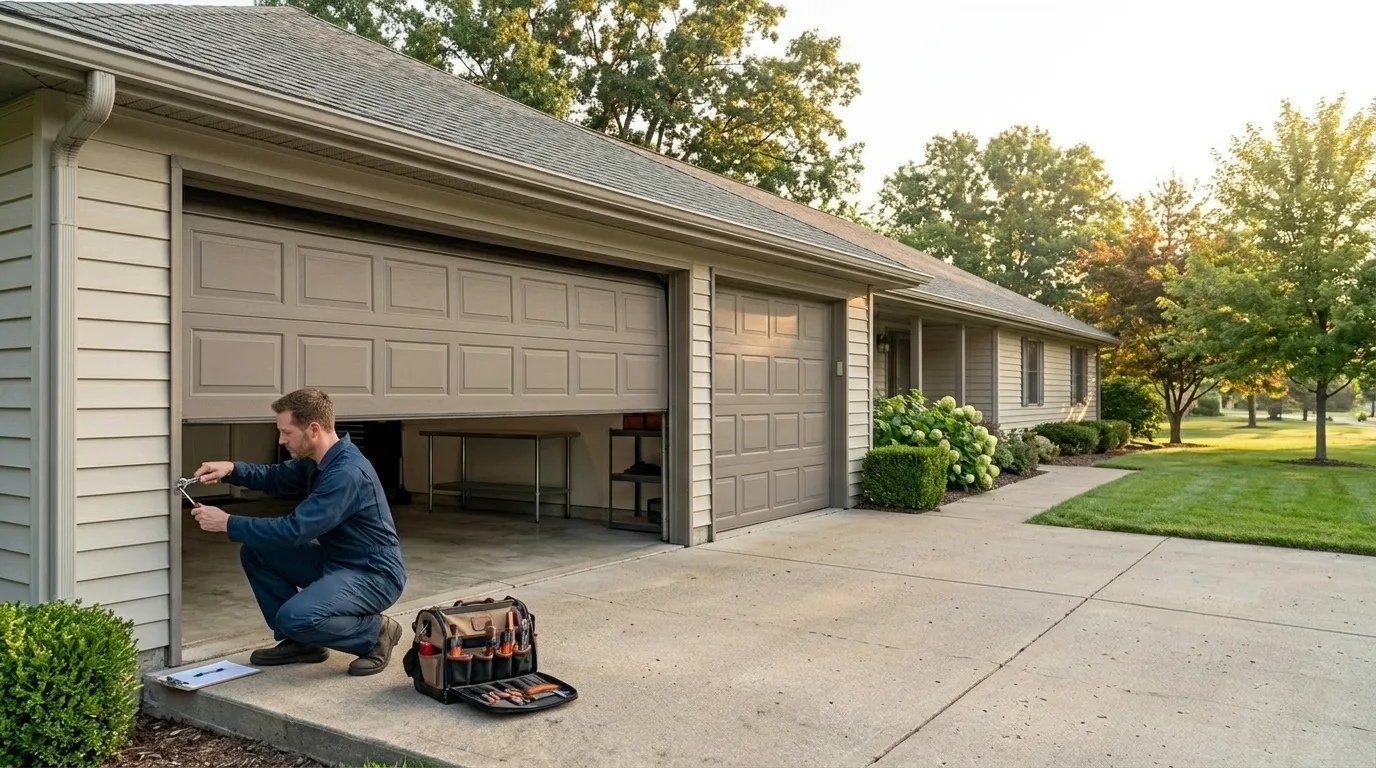
The symptoms help indicate whether the problem is more likely a spring, cable, opener board, roller, or track issue. That lets us plan the visit and bring the right parts rather than guessing on arrival.
The installed door and surrounding hardware are checked before work begins, rather than assuming the first symptom tells the whole story. You hear what's actually failing and why before any work starts.
Common repairs may be completed without special ordering, while less common opener boards or specialty parts can require additional sourcing. We tell you which one you're looking at up front.
Not Every Part Is Standard Truck Stock
Less common opener boards can require a short parts wait rather than an immediate same-visit repair. We'll say so on the call instead of promising a same-day fix we can't back up.
Local housing matters
Allen and the broader surrounding area were built heavily between 1971 and 2015, with a median home build year around 2005.
That relatively concentrated build window means many garages use steel sectional doors, overhead torsion springs, and chain- or belt-drive openers associated with late-1990s and 2000s construction.
Across the broader source service area there are approximately 56,975 households and 36,095 owner-occupied houses.
This housing stock contrasts with older areas where extension-spring systems and pre-1970s door hardware are more common.
The build year gives useful context, but the correct repair still depends on the springs, cables, rollers, tracks, opener, panels, and previous work actually installed on the door.
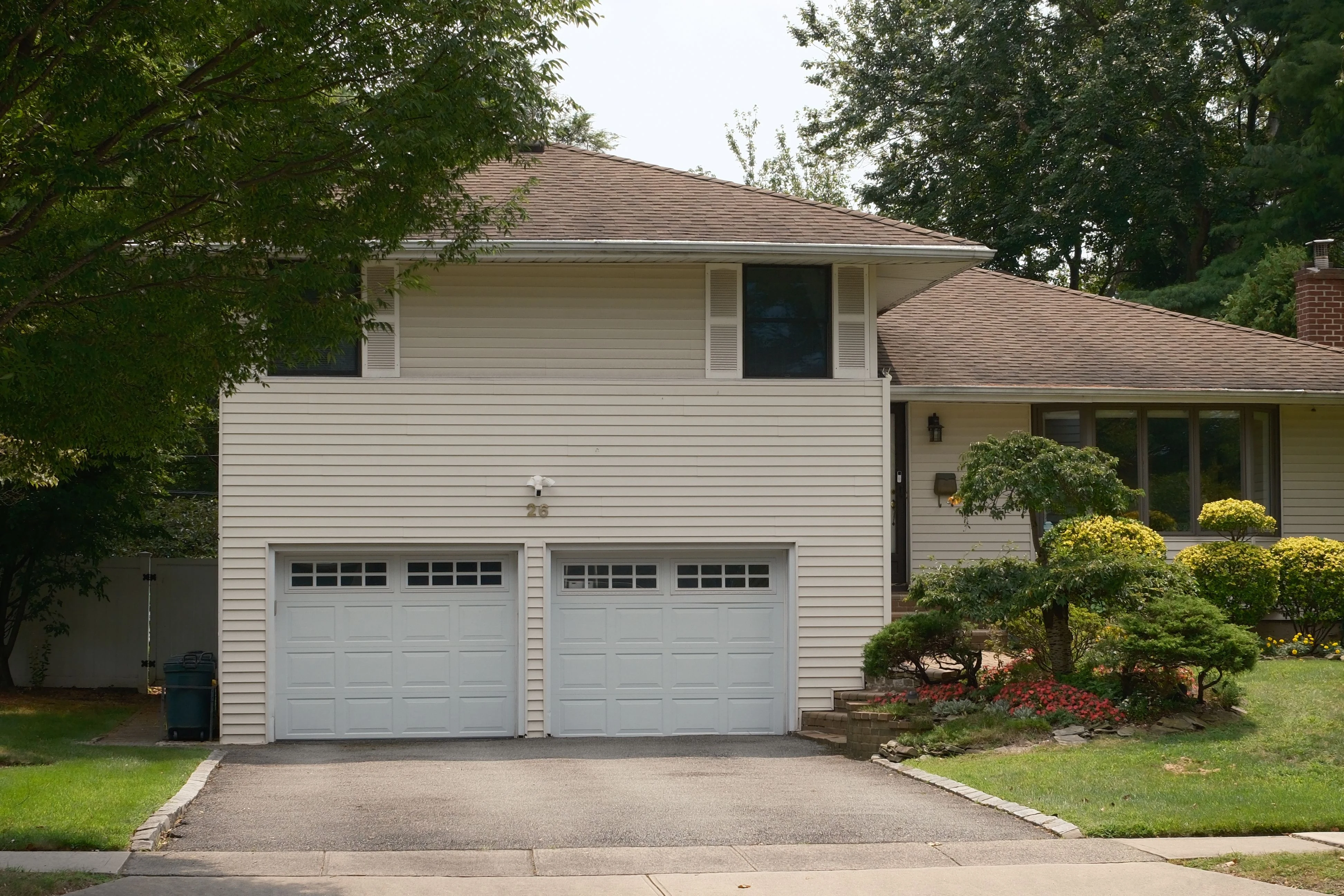
2000s-era garage door systems
Allen's 1971–2015 housing range creates a service mix centered more heavily on torsion springs, sectional steel doors, modern opener electronics, and builder-grade systems than on much older extension-spring hardware.
Overhead torsion springs are common across the area's newer residential garage door stock, so most spring work here is torsion rather than the older side-mounted extension type.
Much of the local housing uses sectional steel garage doors rather than older one-piece systems, which shapes how panels, hinges, and rollers are repaired or replaced.
Homes from the 1990s and 2000s can use builder-grade chain- or belt-drive opener systems that are now reaching repair age, with drive and motor wear showing up on the older units.
Logic boards, sensors, remotes, and other electronic components create different service needs from much older mechanical systems, and they fail as electronics rather than as worn mechanical parts.
Common Allen garage door problems
Torsion springs, worn rollers, opener logic boards, cables, and track problems make up much of the work across Allen's 2000s-heavy housing stock. Older extension-spring failures are less common because little of the housing predates torsion systems, and with only moderate summer heat, it's age, cycling, lubrication, and component wear — not extreme weather — that drive most repairs.
Torsion springs eventually reach the end of their useful cycle life after years of regular opening and closing. On doors installed during the 2000s building wave, that end-of-life failure is a recurring repair rather than a rare one.
Rollers can become noisy, rough, or resistant after years of daily travel through the track. Doors that have accumulated fifteen to twenty years of regular use show this wear most often.
Builder-grade openers from the 2000s can develop electronic control problems as their components age. A failing logic board may leave the opener reversing, stalling, or unresponsive.
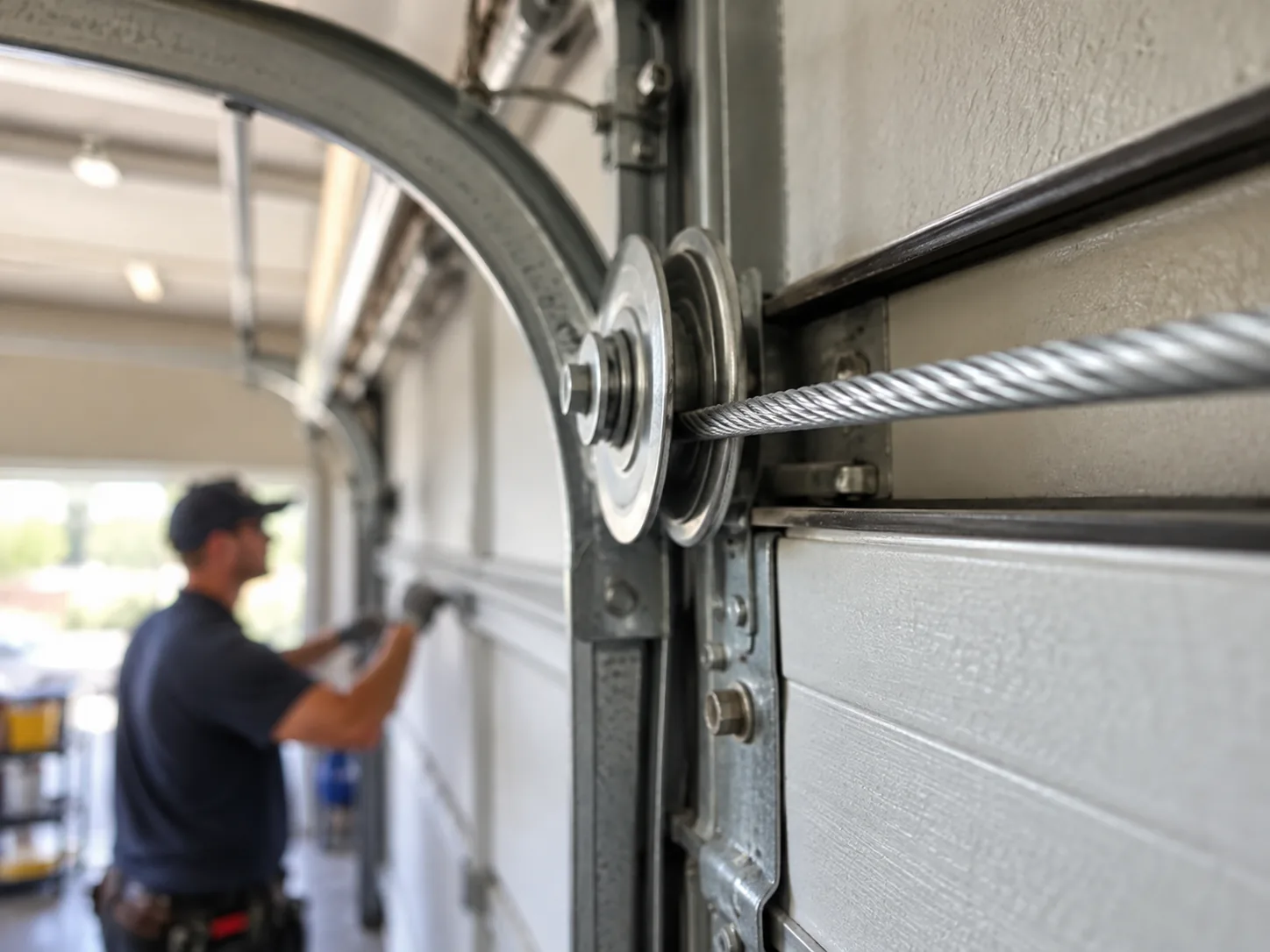
Cables can fray, stretch, or fail after carrying repeated lifting loads through thousands of door cycles. A worn or snapped cable often leaves the door hanging unevenly on one side.
Roller wear, impact, cable issues, or other mechanical problems can leave a door moving unevenly or off track. Correcting alignment usually means addressing the underlying cause, not just the track.
Moderate-heat garage door wear
Allen sits in a moderate-heat environment, so age, daily cycling, and lubrication condition are more important repair drivers than extreme weather. These are the wear factors that actually shape the work here.
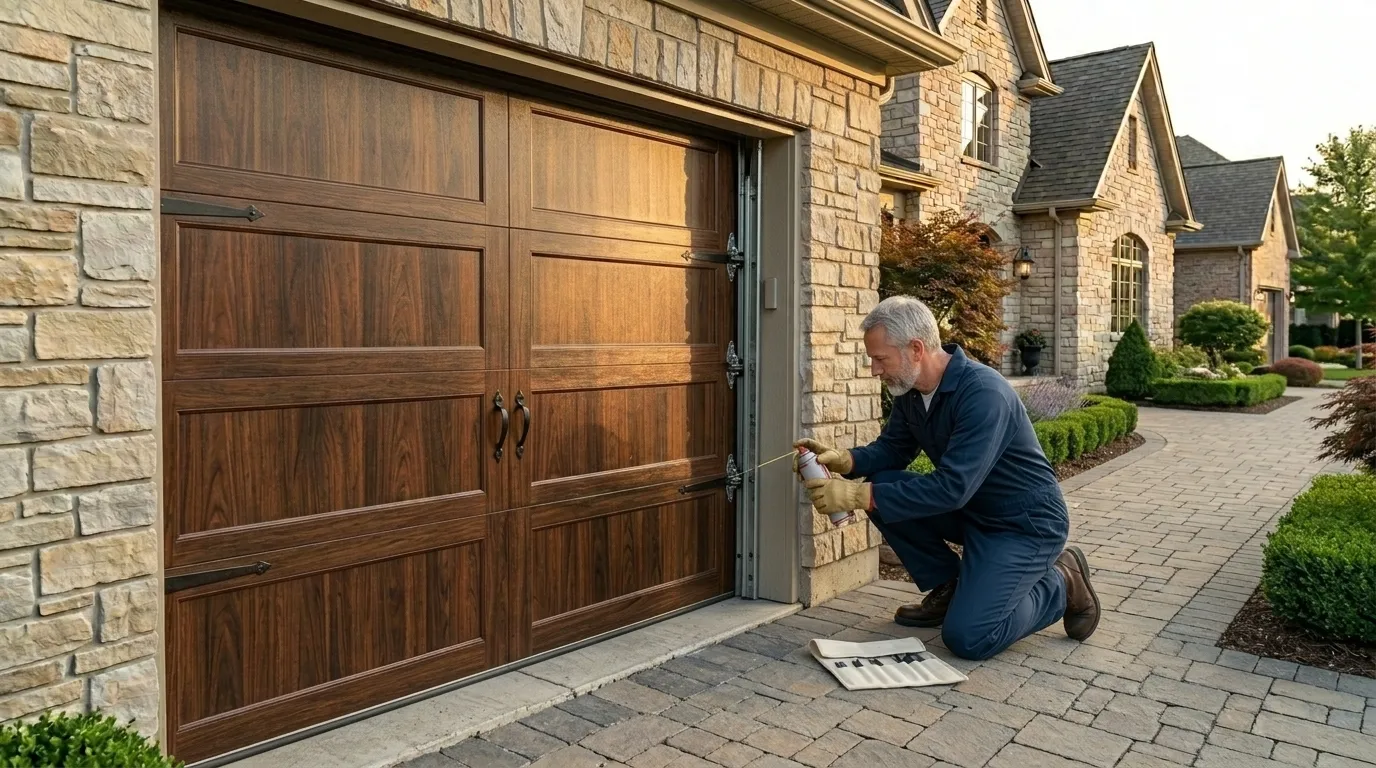
Warm conditions can dry out the lubricant on hinges, rollers, and other moving components, so regular lubrication is worth maintaining to keep the door running smoothly and quietly.
Daily opening and closing remains a primary driver of torsion spring wear regardless of weather. A spring rated for a set number of cycles reaches the end of that count with ordinary household use.
Doors approaching fifteen to twenty years of service can develop increasingly noticeable roller wear, running rougher and louder as the nylon or bearings give out.
Opener boards, sensors, remotes, and controls can fail simply as electronic components accumulate years of service, independent of how the mechanical hardware is holding up.
Repair or replace?
A broken spring, cable, roller, opener component, or track problem does not automatically mean the complete garage door needs replacement. The decision changes when several major components are failing or repeated repair no longer offers good value.
A spring repair can make sense when the panels, cables, tracks, rollers, and opener remain in usable condition. There's no reason to replace a sound door over one worn part.
Worn cables and rollers are usually targeted repairs when the rest of the door remains sound, restoring smooth operation without touching the panels or opener.
An aging opener may be worth replacing when electronic components are failing and compatible parts are difficult to source, rather than chasing one board fix after another.
When a twenty-year-old system has several major parts failing together, broader replacement can be more practical than another round of piecemeal repairs that only delay the next call.
Built around Allen's garage doors
The service focus is on the steel sectional doors, torsion systems, cables, tracks, and opener generations common across Allen and its nearby communities — the hardware these houses actually run.
Many homes share similar builder-era torsion systems, openers, rollers, and track configurations, so recurring failures are recognized on sight rather than diagnosed from scratch.
The repair is based on what is actually installed on your door rather than a generic national parts assumption, which is what keeps a fix holding rather than needing a redo.
If a targeted repair will restore a sound door reliably, complete replacement isn't the default recommendation. You get a straight answer on whether patching is still worth it.
Full custom garage door builds using specialty materials are outside the normal service focus. The daily work is the sectional doors, torsion springs, and openers common across this housing.
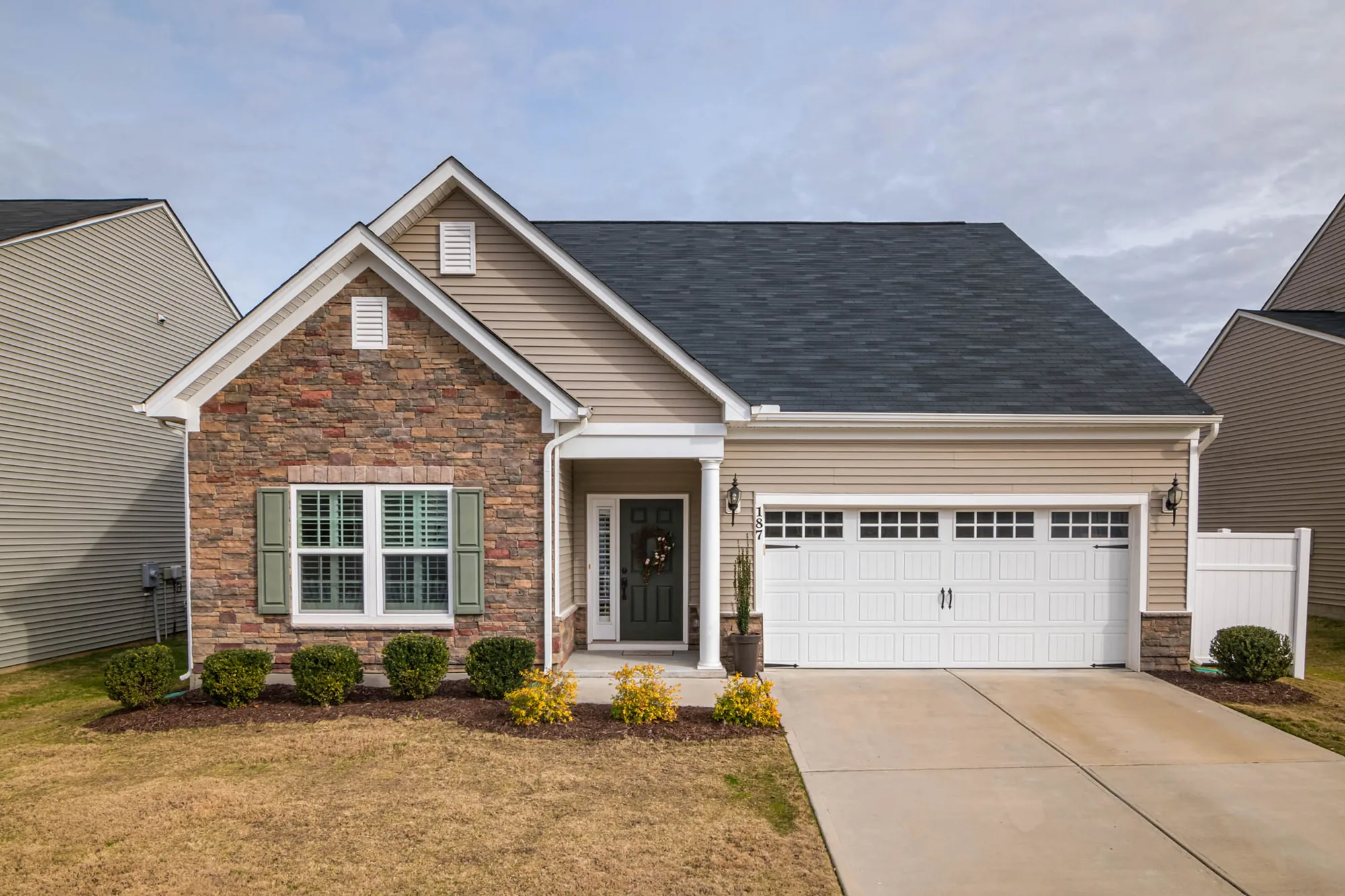
Questions
Because most of the area was built between 1971 and 2015, with a median build year around 2005 - torsion spring systems were standard by then. Older extension-spring setups are rare here simply because the housing stock is that age.
For common issues like a broken spring or worn rollers on the door types typical here, usually yes. For less common opener boards, parts can take longer to source, and we'll tell you that on the call rather than promise a same-day fix we can't back up.
Yes. For this site, the configured surrounding service areas are Lucas, Melissa, Murphy, Parker, Princeton, and University Park.
It comes down to the door's age relative to that 1971-2015 building window, how many parts are already failing, and whether patching one part just delays the next call. We'll walk you through what we see and give you a straight answer, not an upsell.
Ready when you are
Tell us what the door is doing and we'll help you figure out whether you're dealing with a spring, cable, roller, track, opener, off-track door, aging hardware, or a system that's reached the point where replacement makes more sense.