Commercial Garage Door Repair in Allen, TX in Allen

Allen, TX

Commercial Garage Door Repair in Allen, TX

Commercial garage door repair and service for Allen, TX and nearby communities, built for the area's 1970s-2010s doors and moderate Texas heat cycling.

Serving Allen, TXBackground-checked techsHonest, upfront pricingFast local response
Local
Crews that work this area daily
Same-day
Response for most repair calls
Upfront
Pricing agreed before we start
Insured
Background-checked technicians

Local detail

What You Are Seeing

On a commercial building the tells are familiar, but the loads are higher and the parts wear on a predictable schedule once you know the door's age and how hard it gets used. None of it is exotic - what you're looking at is rarely a single bad part; it's usually two or three worn components that finally cross the line together, which is why a door that seemed fine on Friday won't open Monday morning.

Hangs up or drops on one side

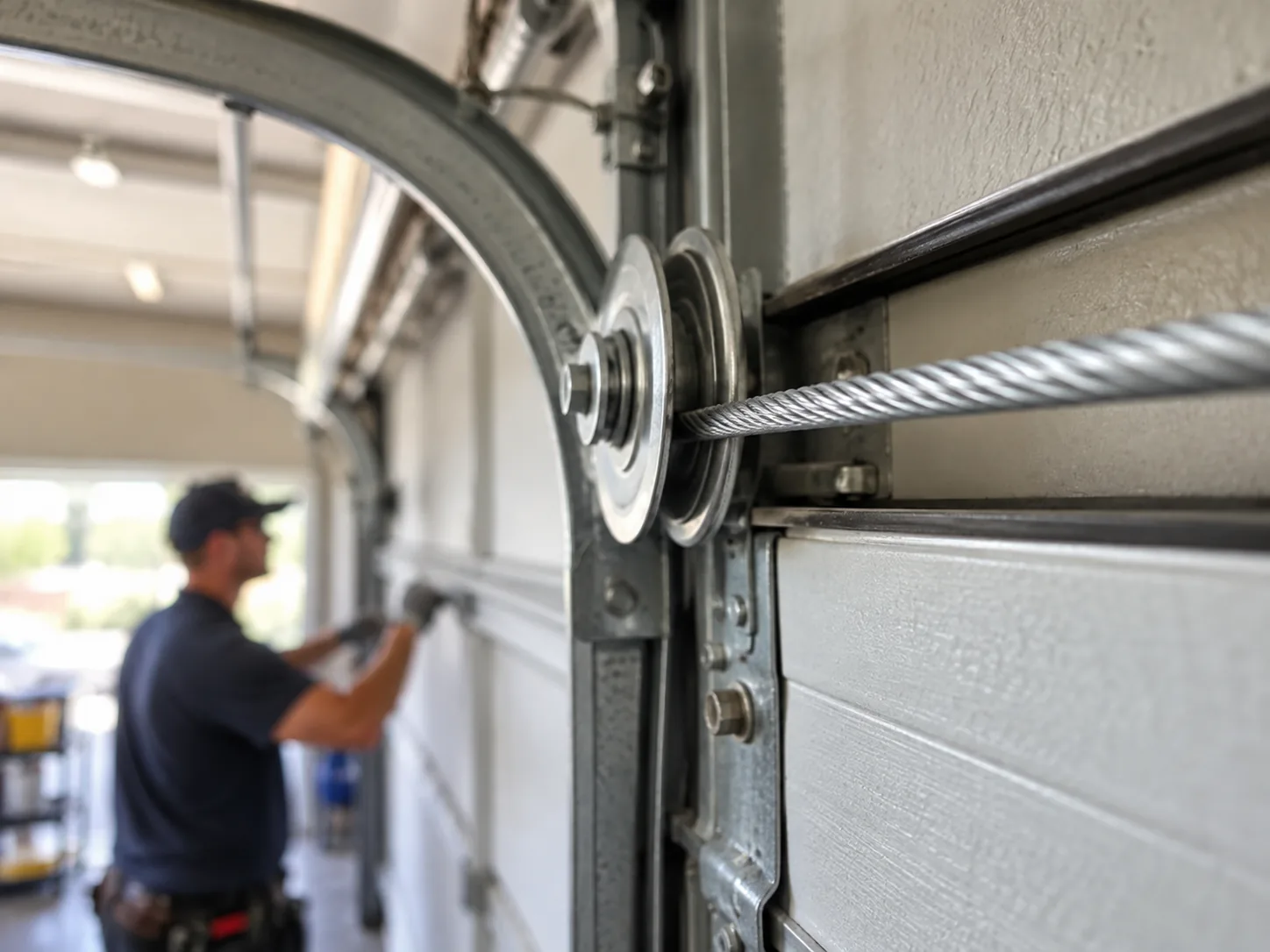
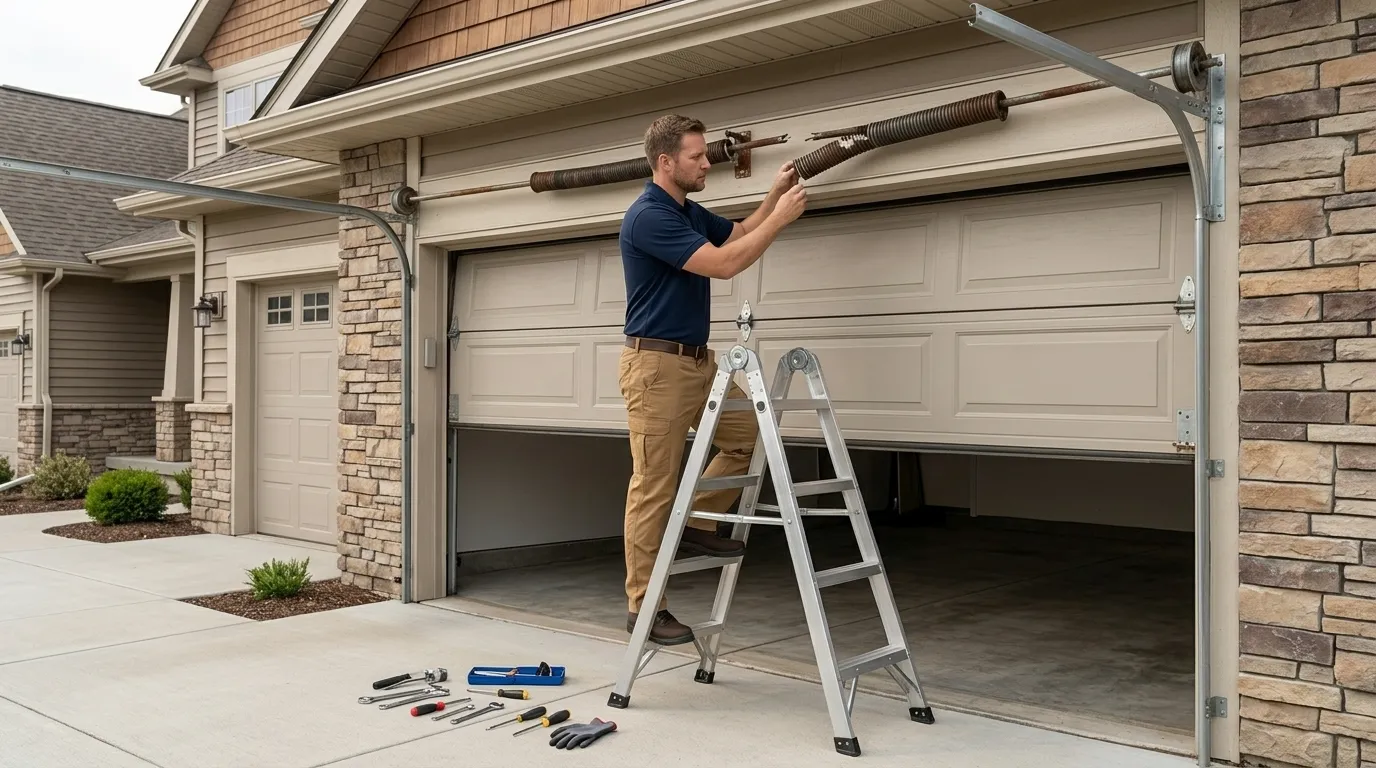
The tell is usually the same: the bay door hangs up halfway, or it drops fast on one side because a cable jumped its drum. On a commercial door that lost cable can leave the whole panel loaded unevenly rather than just sagging.

Heavier springs bind the door

Sectional doors on warehouses and retail strip bays run on torsion springs sized for a heavier panel than a house door, so when one goes, the whole door can bind in the track instead of just sagging. The extra weight is what turns a spring failure into a fully stuck door.

Knocked-out photo-eyes

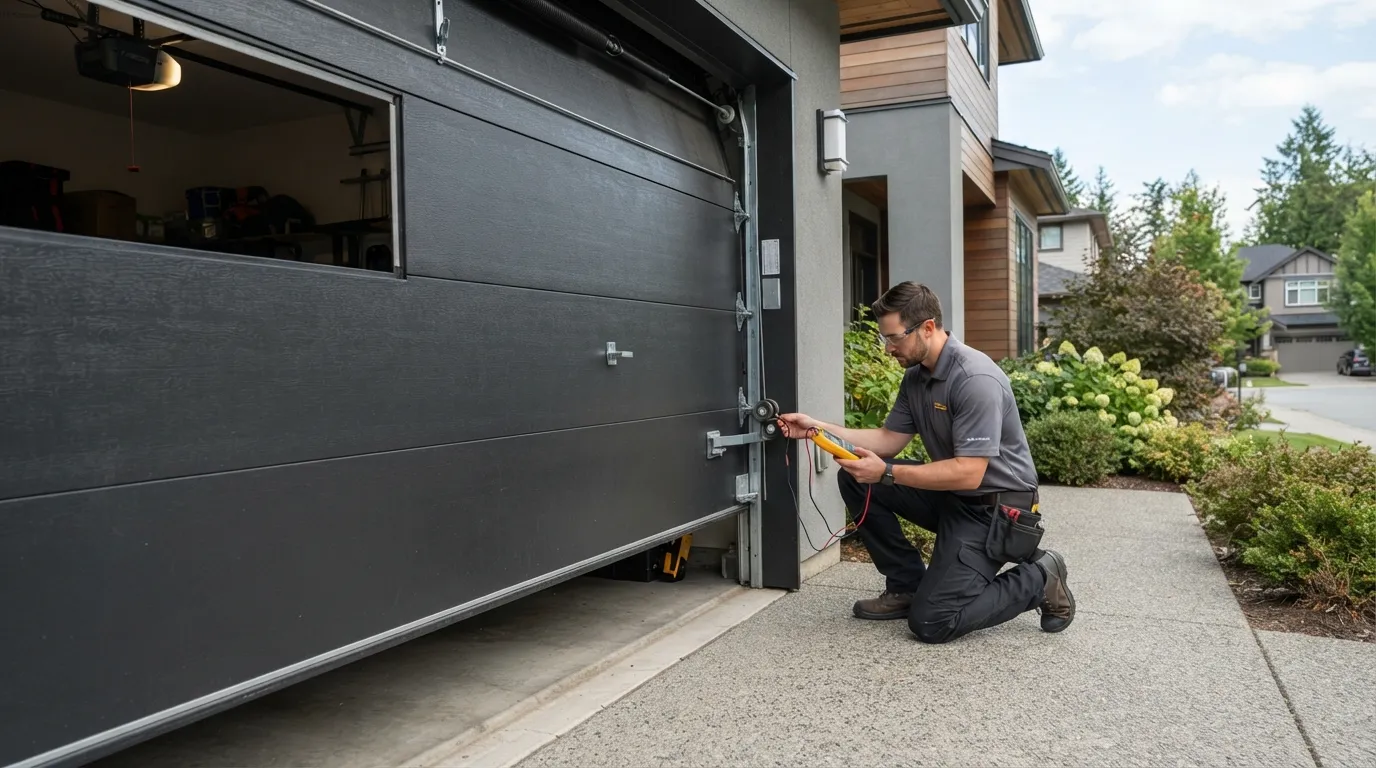
You'll also see photo-eye sensors knocked out of alignment after a forklift or delivery truck clips the jamb, which throws the opener into a safety stop even though nothing else is wrong. It reads as a dead door when it's really just a nudged sensor.

Rollers wear out of round

Rollers wear out of round and start rattling the track loose from the header. Left alone, that loosening spreads to the brackets and pulls the whole assembly out of alignment over time.

High-cycle openers burn out

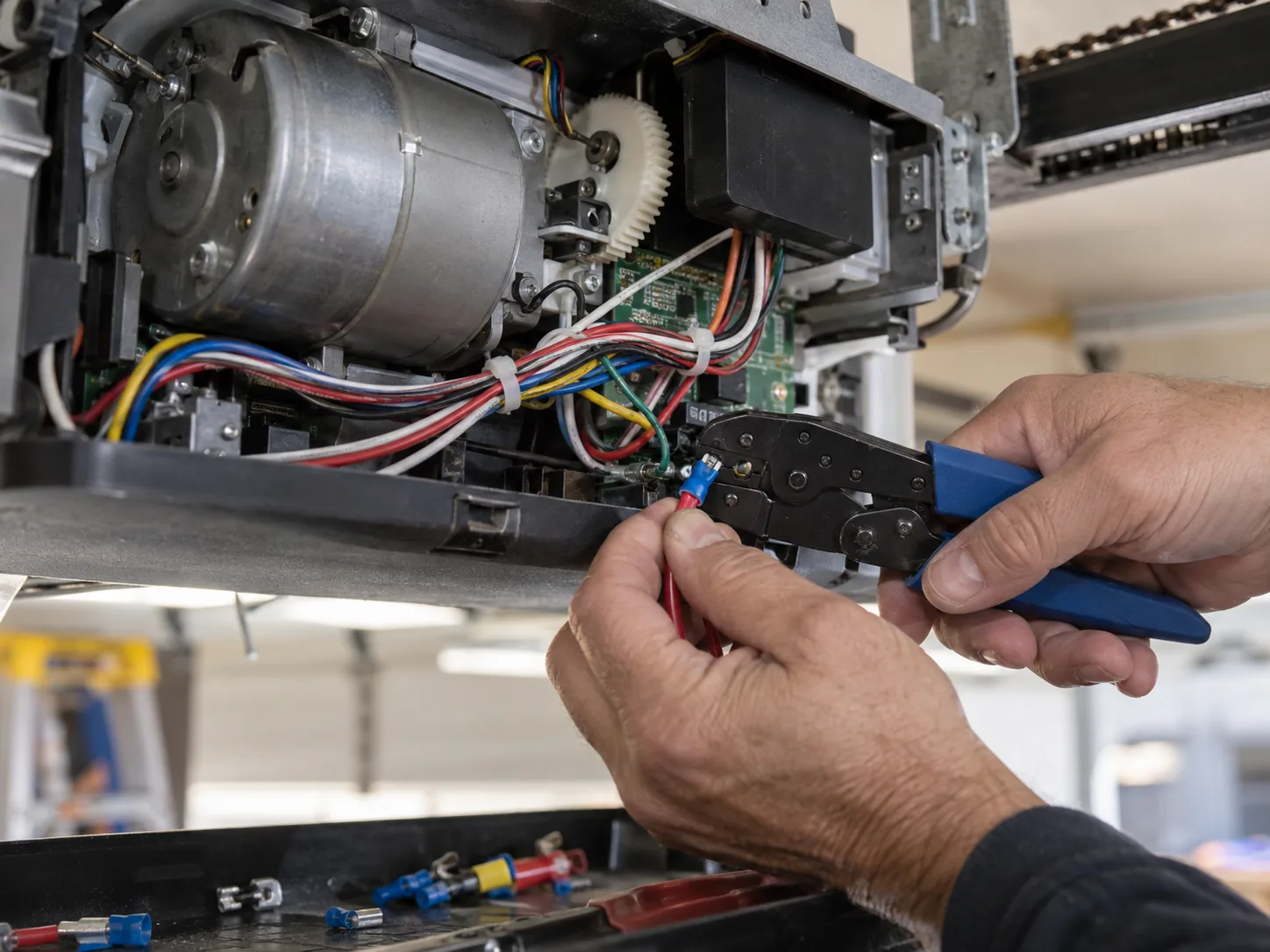
Openers built for daily multi-cycle use - a bay door going up and down dozens of times a shift - burn through gear sets and drive belts faster than a residential unit ever would. It's normal wear for the duty, not a defect.

The area

Can You Do This Yourself

Some commercial door upkeep is fair game for in-house staff, and some of it is a serious safety risk. Here's the line between what a maintenance person can safely handle, what needs a crew with the right tools, and when replacing beats patching a high-cycle door.

  1. What in-house staff can handle

    Some of it, yes. Clearing debris out of the track, checking that the photo-eyes are lined up and not caked in dust, and tightening a loose bracket are things an owner or a maintenance person on staff can handle without a truck roll.

  2. Stay off anything under tension

    What you shouldn't touch is anything under spring tension. Commercial torsion springs are wound tighter than residential ones because they're lifting more door, and a spring that lets go while someone is working on it can break bones or worse - that's not us being cautious, it's just physics.

  3. Leave cable and torsion work to a crew

    Cable replacement, spring adjustment, and anything involving the torsion bar itself needs the right winding bars and a second set of hands. It's not a solo job even for someone handy, because both the tools and the extra pair of hands are what keep it safe.

  4. Know when to replace, not patch

    Here's the honest limit: if the door is a high-cycle commercial unit that runs multiple times an hour, we'd rather see it and quote the fix than have someone improvise a repair that fails again in a week under that kind of load. A door that's replaced instead of patched sometimes costs less over a year than three emergency calls on the same worn spring.

What we find

Time on the Job

How long a commercial call takes depends on what's actually wrong and whether the part is something we carry on the truck versus something that has to be ordered for that specific opener or spring size. Here's what tends to be quick, what takes longer, and how we handle a part we don't stock.

Stocked part vs. ordered part

The timeline hinges on whether the part is something we carry on the truck versus something that has to be ordered for that specific opener or spring size. Common wear parts we have on hand; a size- or model-specific part means a wait.

Quick fixes

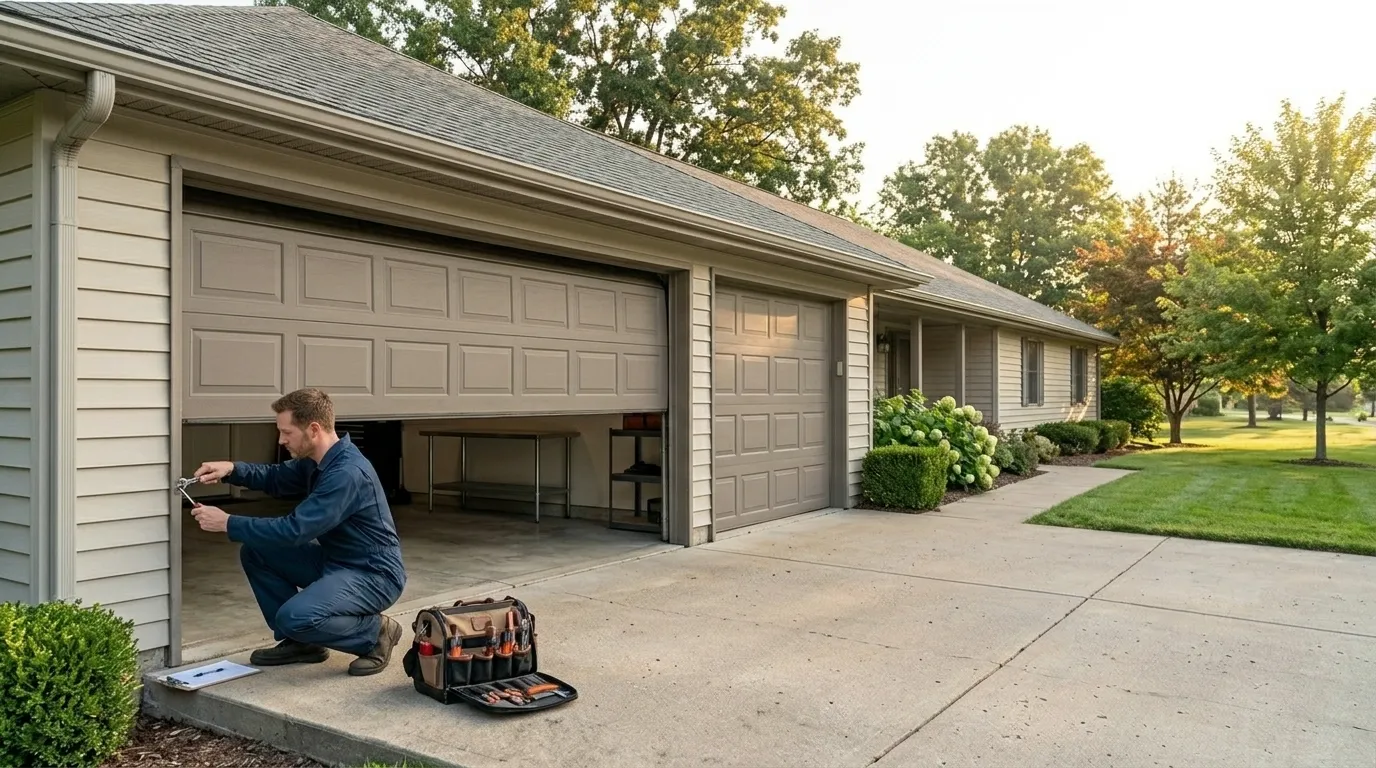
A photo-eye realignment or a roller swap is quick. These are the calls we can usually knock out in a single visit without ordering anything, because the parts and the work are both straightforward.

Spring work takes longer

A full spring replacement on a heavier sectional door takes longer because the door has to be secured and balanced afterward, not just re-tensioned and left. Getting the balance right is what keeps the fix from failing again.

Older installs need extra parts

Buildings across this service area - Allen and the towns around it - vary in how their doors were installed originally, and older installs sometimes need a bracket or track section replaced along with the failed part just to bring the whole assembly back into spec.

No padding, no rushing

We don't pad a job to make it look thorough, and we don't rush spring work to make it look fast. If a part isn't something we stock, we'll tell you that up front rather than promise a same-visit fix we can't back up.

How we work

What Causes It Around Here

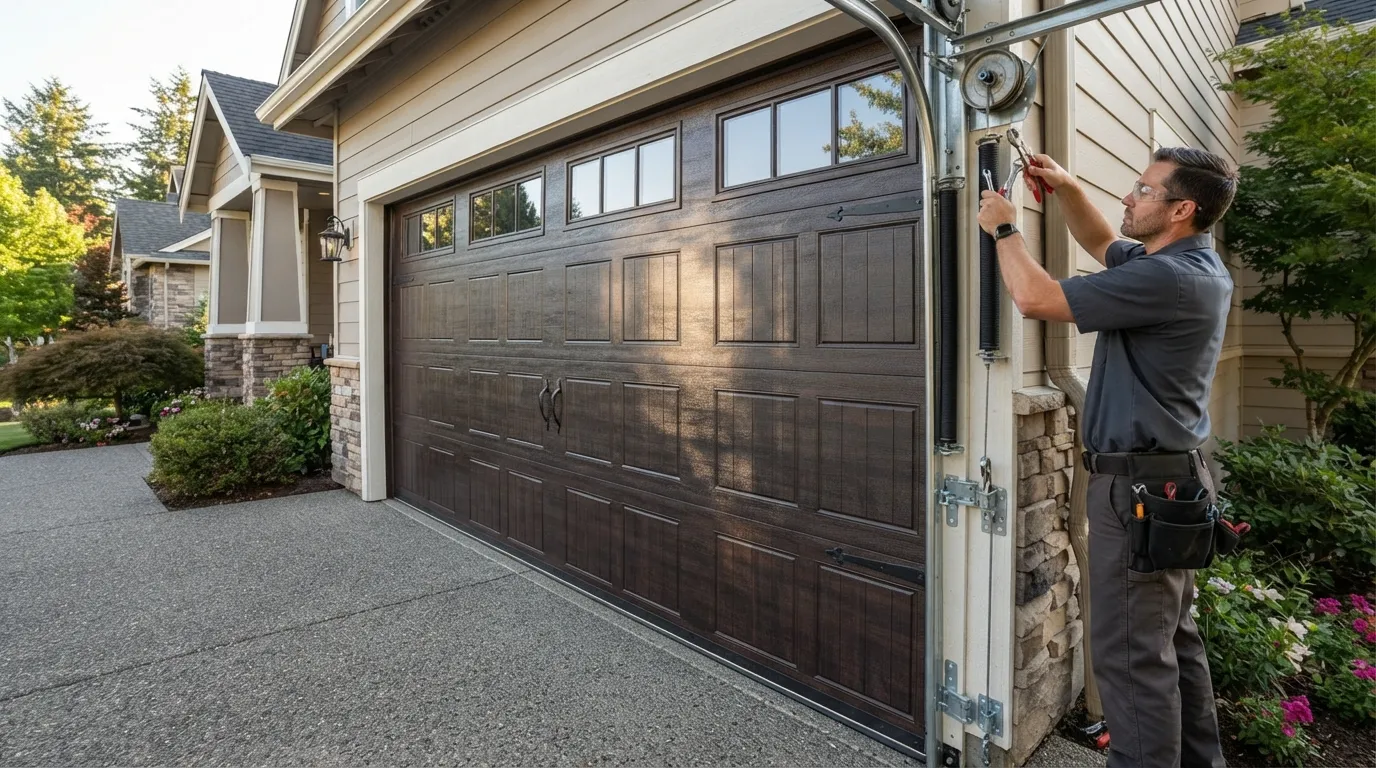
Most of the building stock across this service area went up between 1971 and 2015, with the typical structure dating to around 2005, and that includes the commercial strips and business parks that filled in alongside the neighborhoods. A lot of bay doors and openers installed during that build-out are now old enough that springs rated for a certain number of cycles are simply running out of cycles at the same time across a lot of buildings, not because of one bad batch but because they went in during the same years. The climate band here runs on the moderate side of heat, not extreme, but Texas summers still put doors and openers through daily expansion and contraction that dries out lubricant and stresses spring coils year after year. We cover this same failure pattern out to Fairview and Parker, both about 4 miles out, Lucas at 5, and Murphy, St. Paul, and Lowry Crossing around 8 miles each - the same building era and the same weather, just a different address on the invoice.

What Causes It Around Here

Questions

Common questions

How do I know if it's the spring or the opener?

If the opener motor runs but the door barely moves, or moves unevenly, that's usually a spring or cable problem, not the opener itself. If the opener doesn't respond at all - no sound, no light - check the photo-eyes first, since a blocked or misaligned sensor will stop the unit from doing anything even though the motor is fine.

Can a broken spring wait until next week?

Not safely. A door with one broken torsion spring on a two-spring setup will fight the opener, which strains the gears and drive system on top of the spring problem you already have. It's also a lot heavier to lift by hand than it looks, so leave it closed and call rather than forcing it open and shut in the meantime.

Do you carry parts for older commercial openers?

It depends on the unit and how old it is. Common wear parts we stock on the truck; some older or less common commercial opener models need a part ordered, and we'll tell you that at the time we look at it rather than guess.

Ready when you are

Need a garage door sorted in Allen?

Allen Garage Door Co repairs and installs garage doors, springs and openers in Allen, TX and the surrounding area.

CallGet a quote