
Guide
Is Your Allen Garage Door Worth Fixing, or Time for New
Allen homes mostly date 1971-2015, median build year 2005 - most doors here are steel sectional units, not antiques. Here's what's worth repairing and what isn't.
Local detail
What to Look At First
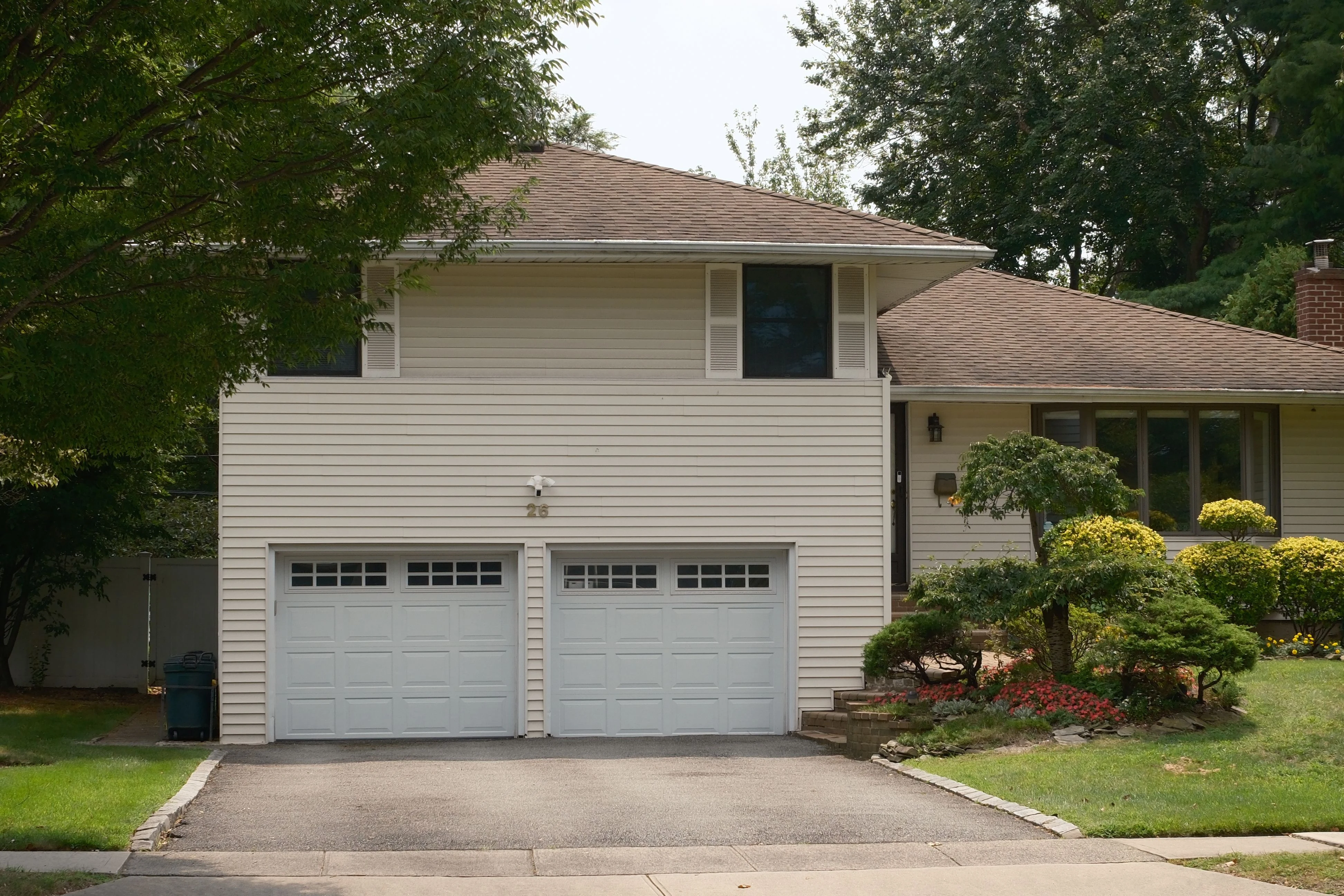
Most houses in Allen went up between 1971 and 2015, with the median build landing around 2005. That means the door on your garage almost certainly isn't some 1960s wood-panel relic - it's a steel sectional door on torsion springs, likely original to a build from the late 90s through the mid-2000s. That matters because parts for a 20-year-old steel sectional door are still made. Springs, rollers, hinges, even the track - all standard stock. So when we say a door is "worth fixing," we mean the hardware underneath is common, not obsolete.
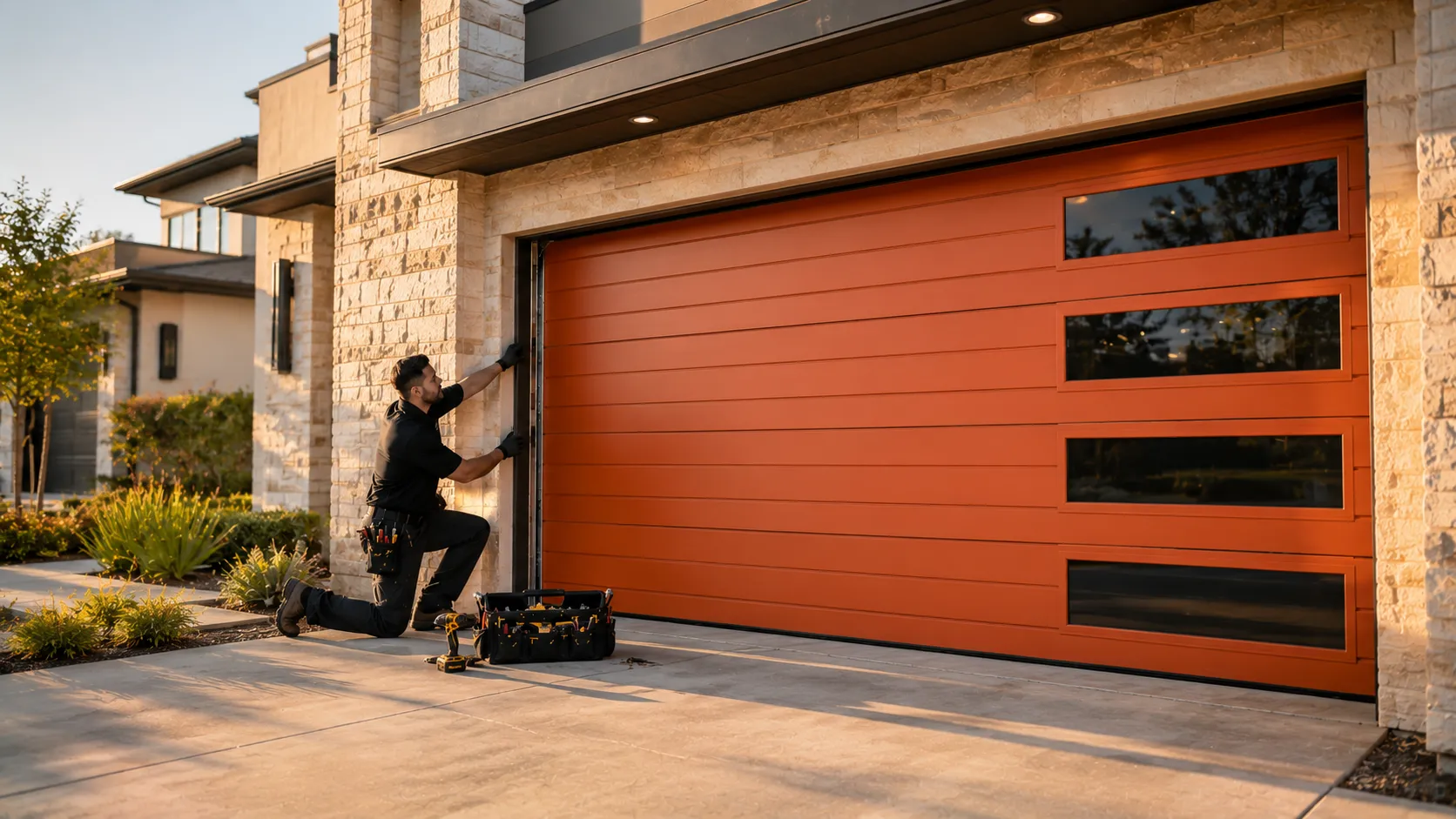
Check the panels first. Steel doors from this era dent and rust at the bottom panel before anything else fails structurally. If the bottom two panels are rusted through or the door doesn't sit flush in the track anymore, that's a different conversation than a broken spring. A cracked panel on an otherwise sound 2005-era door is a panel swap, not a full replacement. A door that's racked in the frame, where the whole unit sits crooked, usually means the track or the wall anchor point has shifted, and that's worth a look before you spend money on cosmetics.
We won't tell you a 15-year-old steel door needs replacing just because it's 15 years old. Across the areas we cover, most housing stock is 2000s-era, so we see this exact door, this exact age, several times a week. It's a known quantity.
The area
What the Weather Here Does to It
This area sits in a moderate heat climate band, not extreme cold or heavy freeze-thaw. That changes what actually wears out on your door. You're not fighting ice buildup in the track or a spring that snaps from cold contraction the way homes further north deal with. What you are fighting is heat cycling - the door baking through summer afternoons, contracting overnight, over and over, for however many years it's been up.
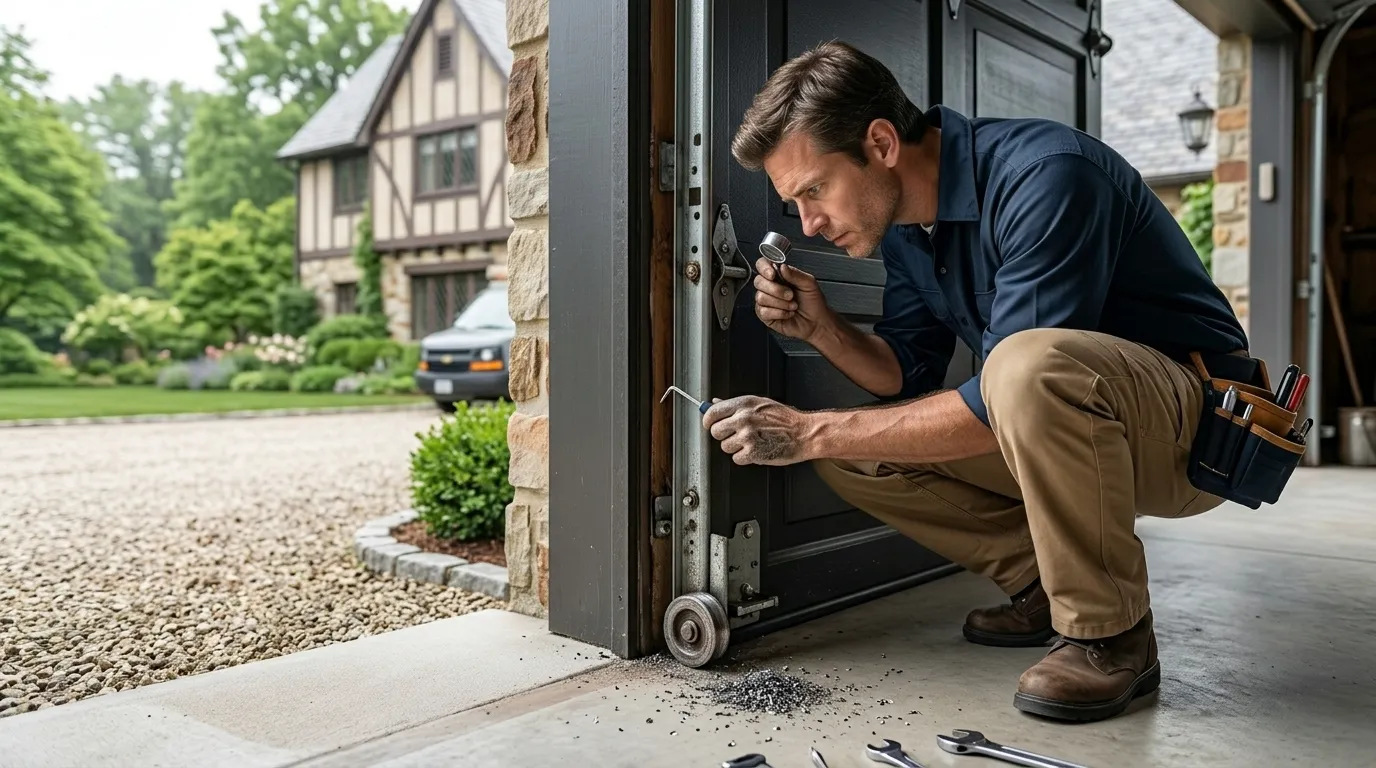
That cycle is hard on two things specifically: the PVC weatherstripping along the bottom seal, and the nylon rollers if your door has them. Both go brittle and crack under repeated heat expansion long before the steel itself gives out. If your door is loud, or the seal at the bottom has curled up and lets daylight through, that's heat wear, not age in the sense of the door being worn out. Swap the seal and rollers and a perfectly good 2000s-era door runs quiet again.
Opener electronics can also take a hit from heat if the unit sits in a garage that runs hot most of the year - circuit boards don't love sustained high temperatures. That's a limitation worth naming: we can't extend the life of an opener board that's already degrading from years of heat exposure. Sometimes the fix there is a new opener, not a repair, even if the door itself is fine.
What we find
What Is Going On
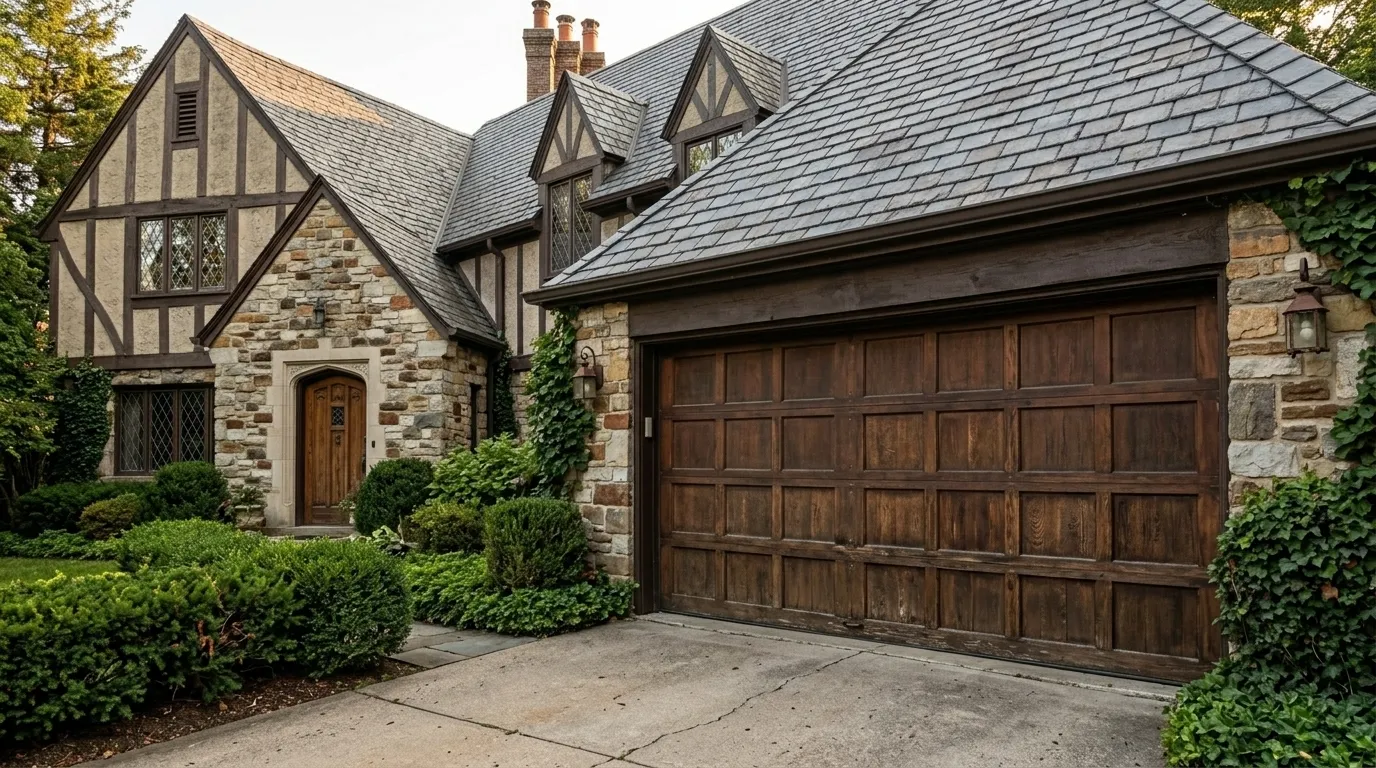
Across the 17 named areas that make up this service area, the housing stock is overwhelmingly 2000s-build, which means most garage doors we're called out to are steel sectional, torsion-spring setups, somewhere between 10 and 25 years old depending on when that particular subdivision went in. That consistency is actually useful - it means the failure patterns are predictable. Torsion springs on a door this age are usually original, and torsion springs have a rated cycle life. If nobody's replaced yours yet, it's probably close to due, and a spring that lets go on a heavy double door isn't a minor inconvenience.
With 56,975 households in the area and 36,095 of those in owner-occupied houses, a lot of these doors are the original builder-grade unit nobody's touched since move-in. A builder-grade door isn't a bad door - it's usually a decent steel sectional - but the springs and cables are consumables no matter how well the door itself was made. That's the honest split: the door frame and panels usually outlast the springs, cables, and rollers by a wide margin, and most of what gets called "the door is dying" is actually just those wear parts finally hitting their limit.
How we work
Where People Go Wrong
The mistake we see most is homeowners assuming a noisy or stiff door means the whole unit needs replacing, when it's rollers and a seal - both cheap, both quick. The opposite mistake happens too: someone keeps paying for spring and cable repairs on a door where the actual track or frame is bent, and the door just won't hold alignment no matter what gets replaced. If a technician tells you the frame is racked, get a second look before sinking more money into hardware fixes on a door that can't sit straight.
Given the median household income here runs a good bit above the national figure, we also see people replace doors that had another decade left in them simply because a new one seemed like the simpler answer. It's not always. A 2005-era steel sectional door with sound panels and a straight track is worth fixing almost every time - new springs, new rollers, new seal, and it runs another 10-15 years. Where we draw the line is rust-through on multiple panels, a track that's been bent and rebent, or an opener that's failed twice in a year. At that point you're paying repair money toward a door that was already on its way out.
Questions
Common questions
Is a 2005-built garage door too old to repair?
Not usually. Most Allen-area homes were built between 1971 and 2015 with a median around 2005, so a door from that era is a steel sectional on torsion springs - common hardware, not obsolete. Springs, rollers, and cables from that period are standard parts we replace regularly. Age alone isn't a reason to replace; rust-through panels or a bent frame are.
Why does my door seal keep cracking?
This area sits in a moderate heat climate band, and PVC bottom seals go brittle from repeated heat expansion and contraction faster than they wear out from age alone. If your seal is cracked or curled, that's heat cycling, not a sign the door itself is failing. It's a cheap fix on an otherwise sound door.
How do I know if it's worth fixing versus replacing?
Check the panels and the track alignment. If the steel is sound and the door sits straight in the track, springs, cables, rollers, and seals are all repairable wear items on a door that can run another decade or more. Rust through multiple panels, or a track that keeps bending back out of alignment, usually means repair money is being spent on a door that's already done.
Ready when you are
Need a garage door sorted in Allen?
Allen Garage Door Co repairs and installs garage doors, springs and openers in Allen, TX and the surrounding area.