Guide
What Actually Happens During an Allen Service Call
A look at what our techs actually check on a service call in Allen, tied to the 2000s-era housing stock and moderate heat load this area sees.
Local detail
What to Look At First
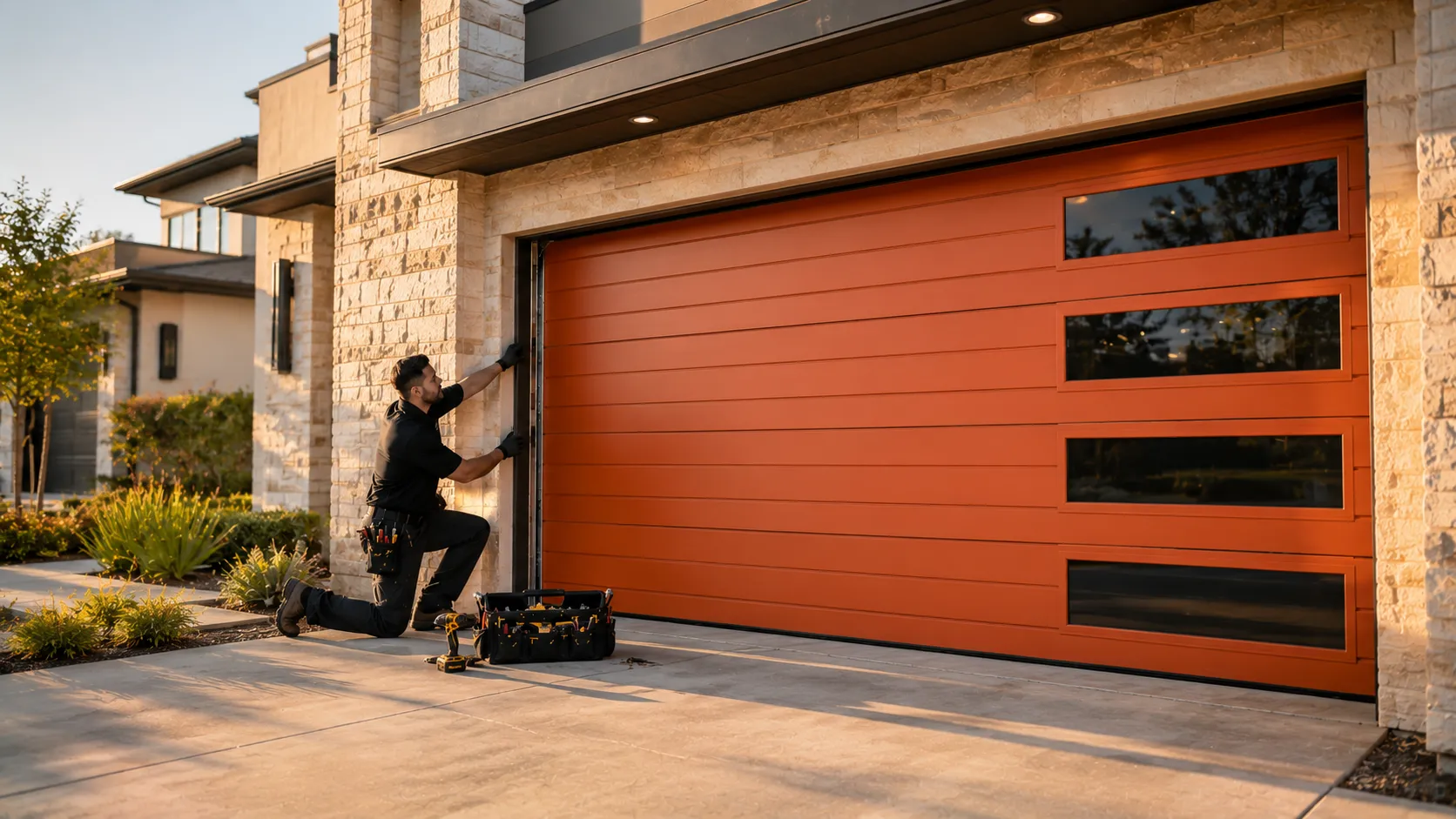
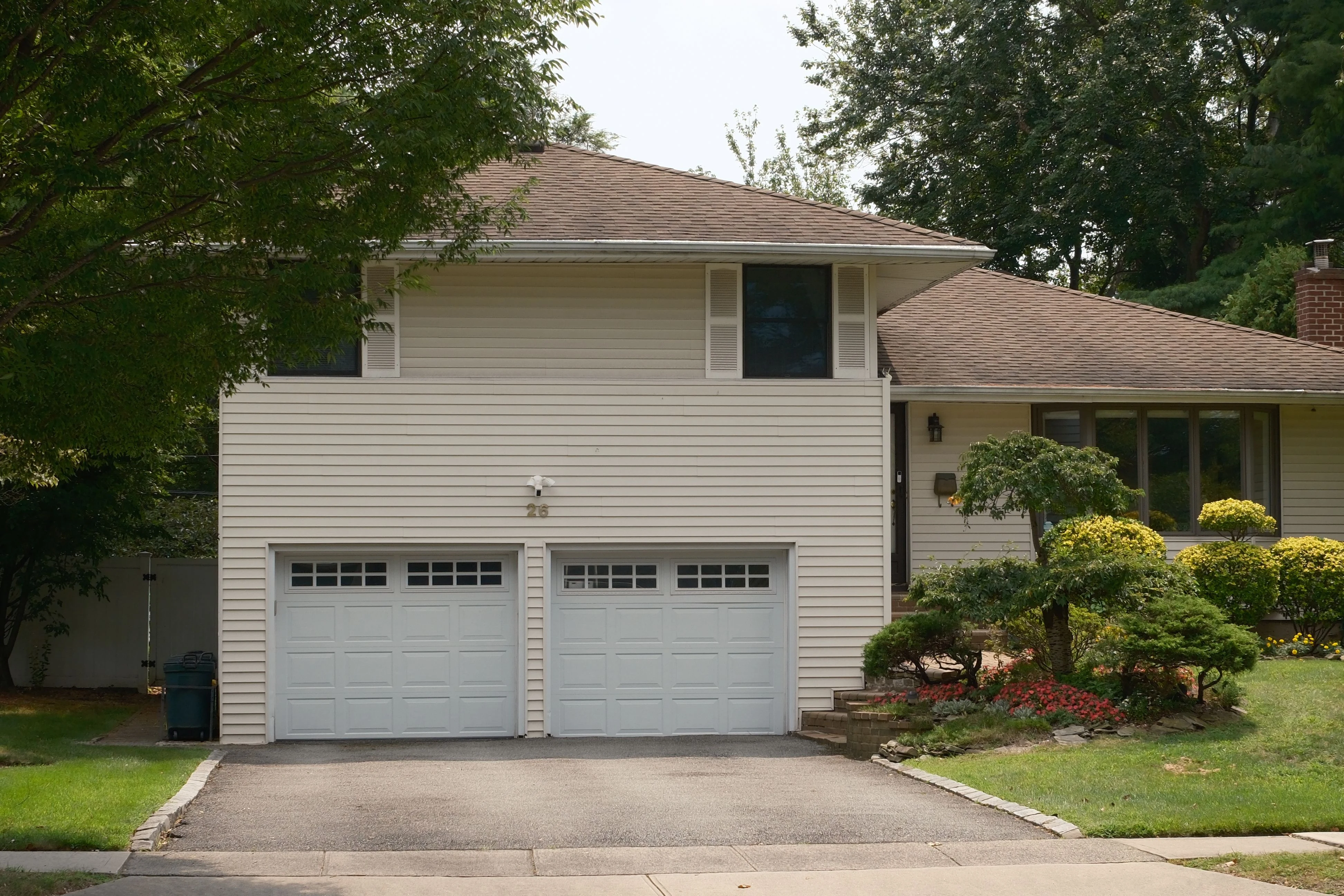
Most of the houses we walk up to in Allen went up somewhere between 1971 and 2015, with the bulk of that stock dating to right around 2005. That matters because it tells us what's probably on the wall before we even open the panel. A door from that era usually means a torsion spring system rated for a builder-grade steel door, an opener from the mid-2000s with a chain or belt drive, and factory rollers that were never meant to last twenty years without attention.
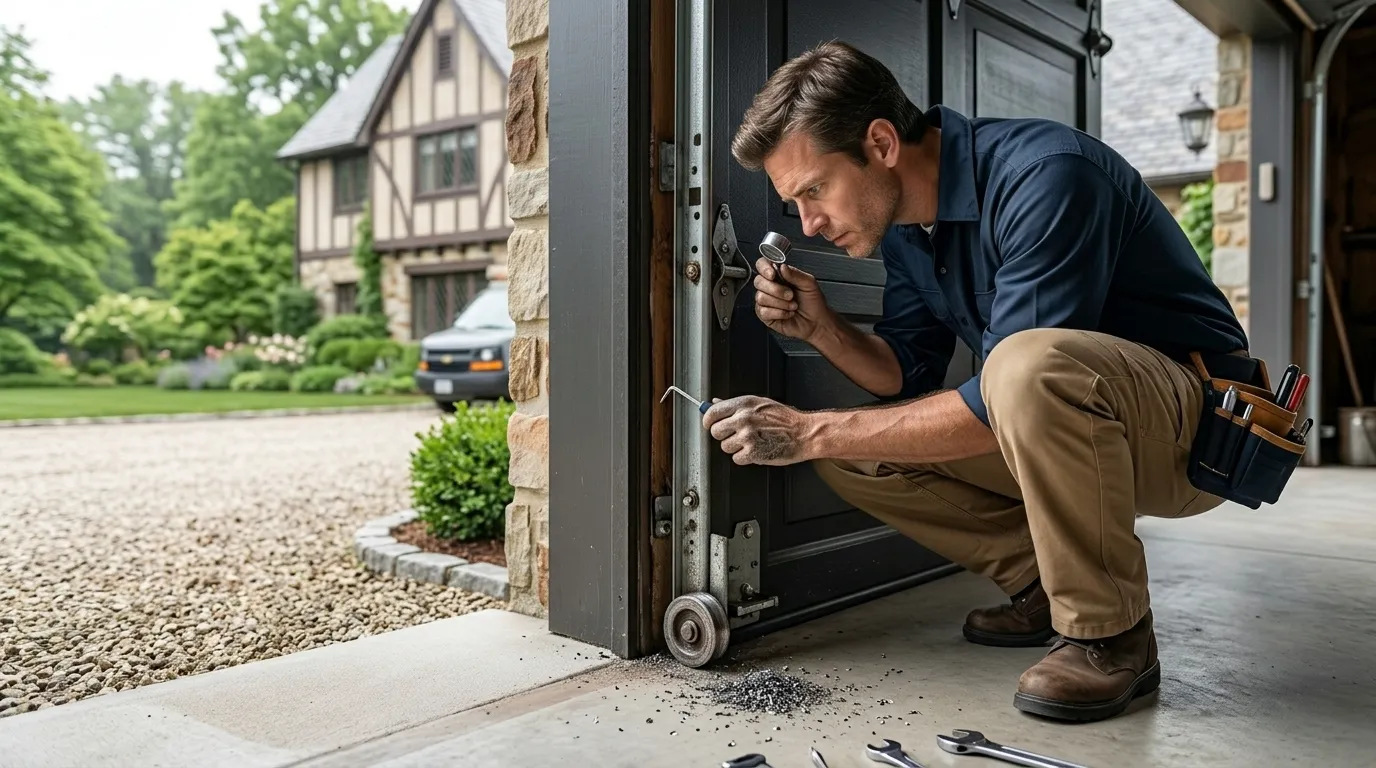
First thing on any call: we check the spring wind and cycle count against the door's age. A 2005-built house with the original spring is past due, full stop - torsion springs are rated in cycles, not years, and a door that age has usually seen 8,000 to 12,000 open-close cycles. Second, we check the track alignment, because slab foundations common in newer subdivisions here shift slightly over 15-20 years and that throws tracks out of plumb in ways you won't notice until a roller jumps.
We're not diagnosing off a script. We're diagnosing off what the housing stock in this area typically has behind the wall.
The area
What the Weather Here Does to It
The climate band for this service area sits in the moderate heat category, not extreme. That's worth saying plainly because it changes what actually fails first. We don't see the kind of daily 100-plus swings that crack steel panels the way some parts of the state do, and we're not chasing salt-air corrosion either. What moderate but sustained heat does here is dry out lubrication faster than owners expect and let nylon rollers and bushings go brittle a few years earlier than the manual promises.
On a service call, that means we're paying closer attention to roller wear and hinge lubrication than to panel warping. A garage that sits closed all day in summer traps heat, and an opener's logic board and safety sensors take that heat for hours at a stretch - so a chunk of the
What we find
What Is Going On
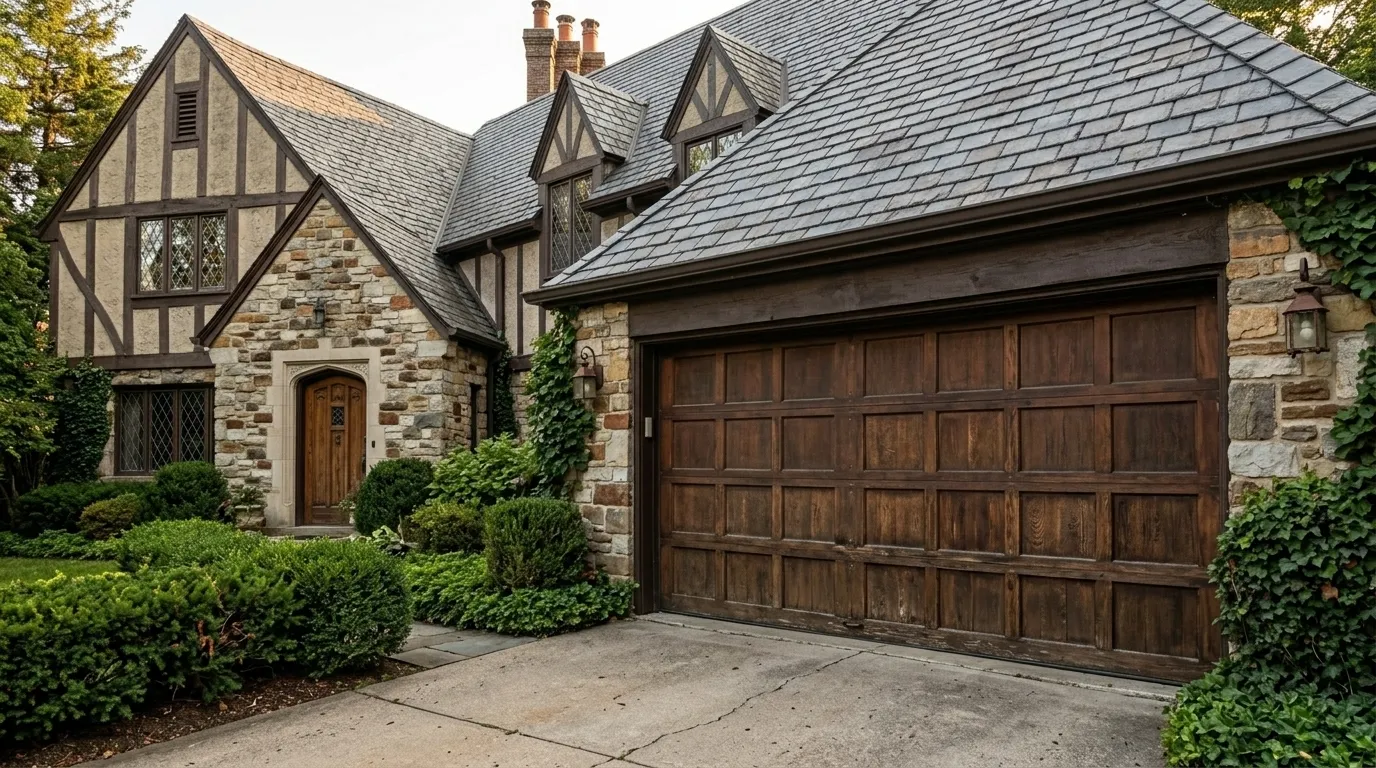
When we get called out, the actual job on the ticket is rarely what the homeowner described on the phone. "Door won't open" is the symptom, not the job. Given the age spread of housing here - 1971 through 2015, with most of it clustered around 2005 construction - the job underneath that symptom is almost always one of three things: a torsion spring that's finally given out after its rated cycle life, a set of rollers worn enough to bind in the track, or an opener logic board that's aged past what a reset can fix.
We check all three before we touch anything else, because they compound. A worn roller binding in a track puts extra strain on the opener motor every single cycle, which shortens the opener's life too. On a call, we're not replacing a part because it's convenient to sell - we're tracing which failure came first and which ones followed from it.
Here's the honest limitation: we don't stock every logic board for every opener brand on the truck. If your opener is an older model, we may need to order the part, and that can mean a second trip. We'll tell you that up front on the call, not after we've already opened the housing.
How we work
Where People Go Wrong
The most common mistake we see across this service area, where median household income runs well above the state average and owner-occupied houses make up the bulk of the market, is buying a new opener to fix what's actually a spring or track problem. A new opener with a straining spring behind it will fail again in under a year, and the homeowner ends up paying twice.
The second mistake is waiting. A door built in the early 2000s that's starting to sag on one side isn't a cosmetic issue - it's telling you the spring is unbalanced, and an unbalanced door puts uneven load on the opener's drive gear every time it runs. That gear is plastic in most residential units and it does not recover from being overworked.
The fix isn't complicated: on a service call, we test spring balance before we recommend anything else. If the door holds itself level at waist height with the opener disconnected, the spring is fine and the problem is somewhere else. If it doesn't, no amount of opener replacement solves it.
Questions
Common questions
How do I know if my garage door problem is the spring or the opener?
Disconnect the opener using the release cord and lift the door by hand to waist height. If it holds there on its own, the spring is balanced and the opener or track is likely the issue. If it drops or shoots up, the spring is off and needs attention before the opener does any more work.
Why does my door act up more in summer here?
This area sits in a moderate heat band, not an extreme one, but sustained heat still dries out lubrication on rollers and hinges faster than owners expect. A door that sits closed all day traps heat around the opener's sensors too, which is a common cause of summer callbacks.
Do you carry parts for every opener brand on the truck?
No. We stock the common springs, rollers, and cables, but an older opener's logic board sometimes has to be ordered, which can mean a second trip. We'll tell you on the first call if that's the case rather than let it be a surprise.
Ready when you are
Need a garage door sorted in Allen?
Allen Garage Door Co repairs and installs garage doors, springs and openers in Allen, TX and the surrounding area.