
Guide
Garage Door Noises That Mean Something in Allen
Most Allen garage doors date to the 2000s building boom. Here's how to read the grinding, popping, and squealing before it becomes a stuck door.
Local detail
What to Look At First
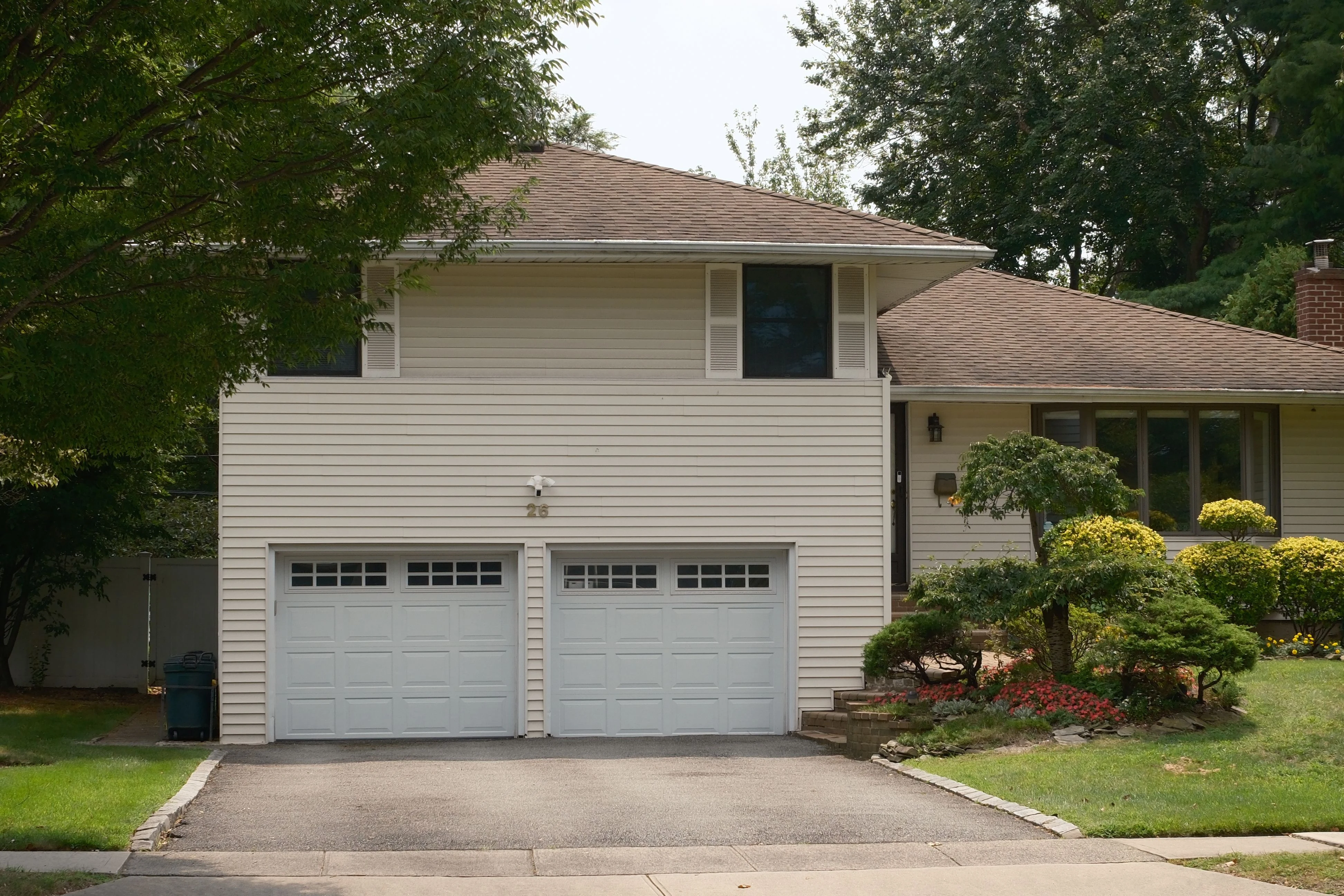
Allen's housing stock is young compared to most of the country - the bulk of it went up between 1971 and 2015, with the median build year landing around 2005. That matters because it means most doors in town are running on the same generation of hardware: builder-grade torsion springs, stamped steel rollers, and openers that were mid-range when the subdivision went in. If your house is one of the roughly 2000s-era builds that make up most of the 17 named areas here, your door and its springs are likely coming up on 15 to 20 years of cycles, which is close to the end of a torsion spring's rated life regardless of how well it's been kept up.
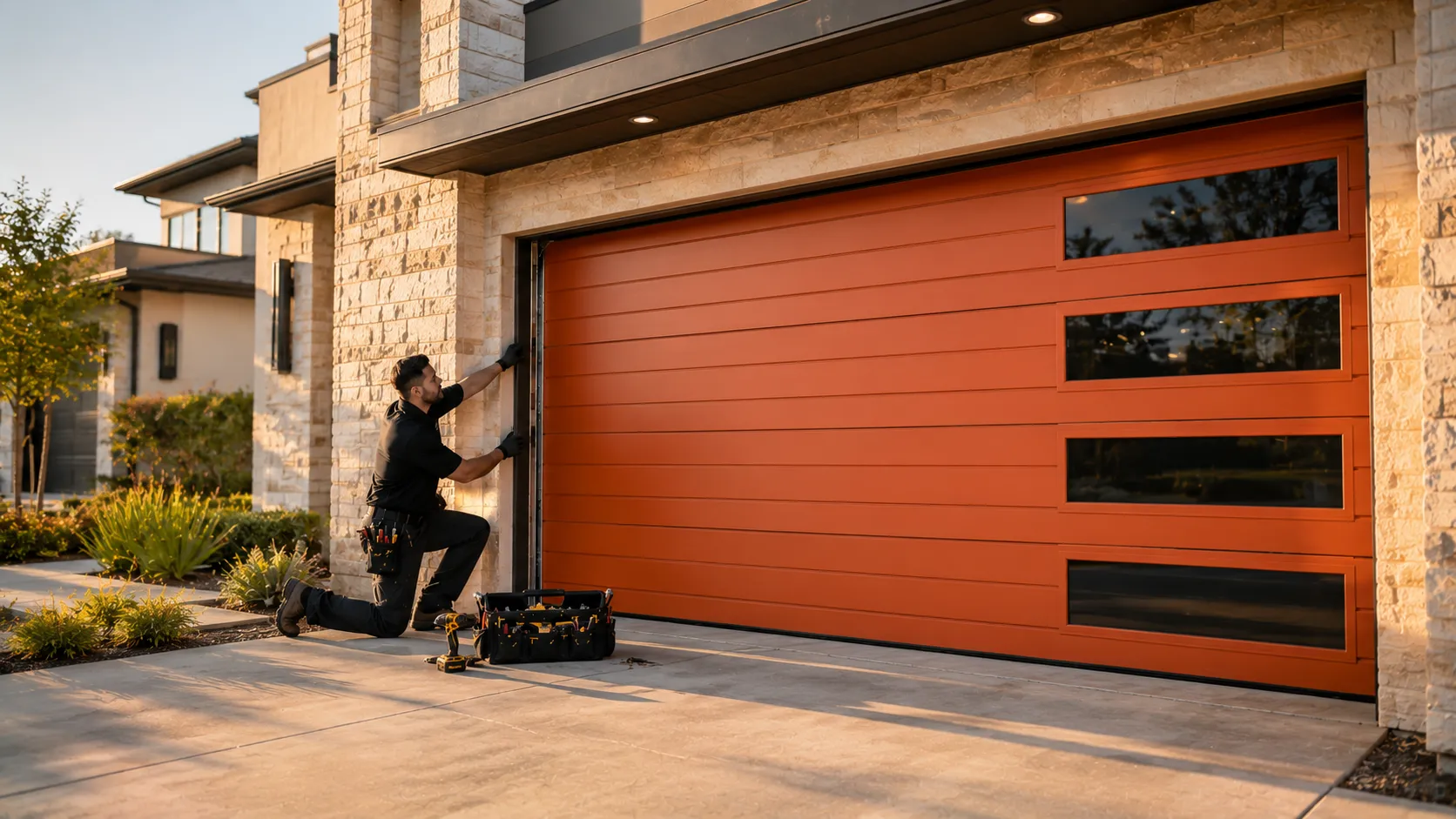
Start at the track brackets and the spring anchor plate above the door. On a builder-grade setup, these are the first things to work loose after a decade and a half of two-cars-a-day use. Look for shiny wear marks on the track where a roller has been riding off-center, and check whether the bottom brackets have any visible play when the door is down. None of this requires tools - just five minutes and a flashlight before you decide what the noise actually is.
The area
What the Weather Here Does to It
Allen sits in a moderate heat band, not the extreme swings you'd get further south or in a true four-season climate. That's good news in one sense - you're not fighting the kind of freeze-thaw cracking that splits panels in colder states - but moderate heat still does steady, unglamorous damage over a couple of decades. Garage interiors run hotter than the outside air for hours after the sun moves off, and that heat cycle dries out factory lubricant on rollers and hinges faster than most owners expect. A dry hinge doesn't fail outright; it starts announcing itself with a metallic squeal on the third or fourth cycle of the day, usually by mid-afternoon when the garage has had time to bake.
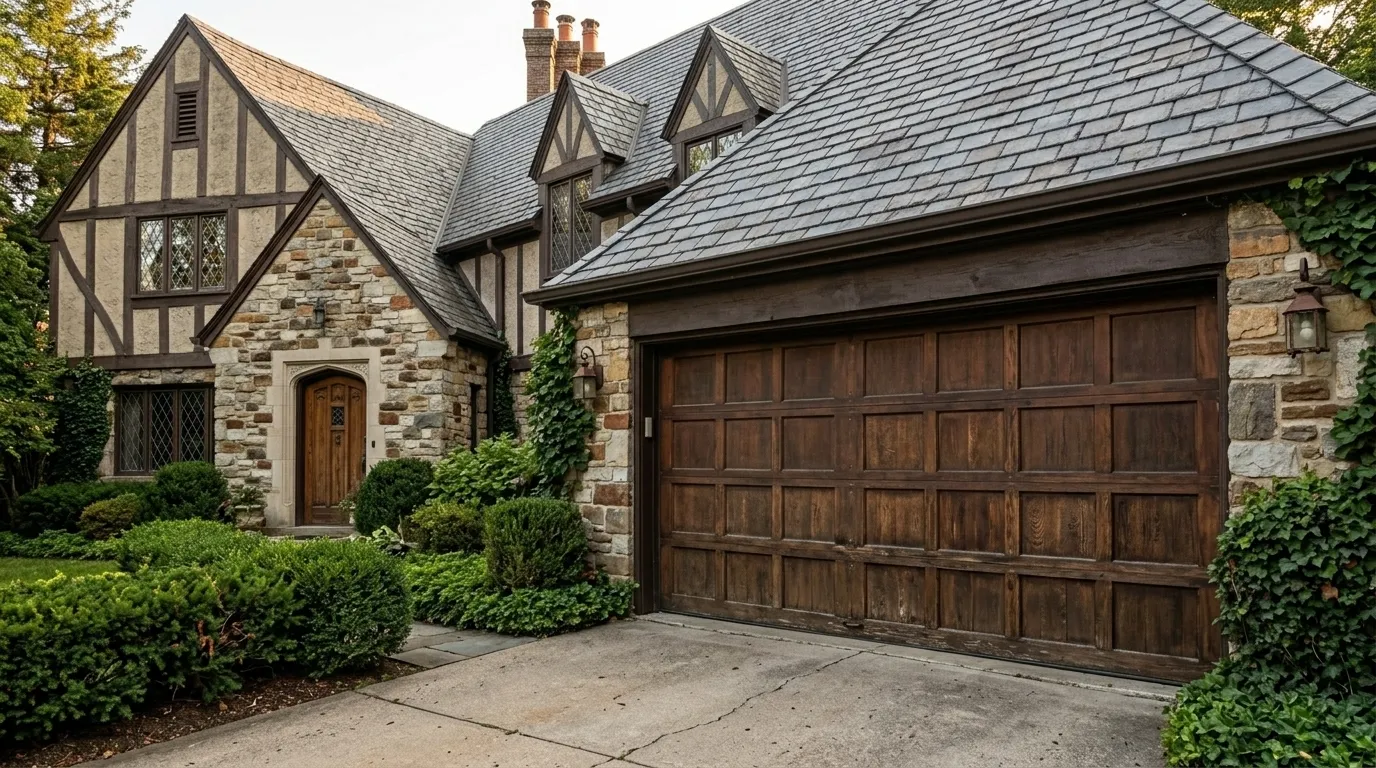
The same heat cycling loosens the fasteners on track brackets over years of expansion and contraction, which is a quieter problem - you get a rattle or a knock instead of a squeal, and it tends to show up on the last few feet of travel near the top of the door. Neither of these is an emergency by itself. Left alone through enough summers, though, a loose bracket is how a roller eventually jumps the track.
What we find
What Is Going On
Given that most doors in Allen are now old enough to be past their spring's rated cycle count, a lot of the noise calls we'd expect to see here trace back to the same handful of causes: a spring nearing the end of its coil life (loud bang or a rhythmic clunk as coils rub), dry rollers (high-pitched squeal that gets worse as the door warms up), or a bracket that's worked loose from years of thermal cycling (rattle near the top of the run). None of these are mysterious once you know the door's age and what it's been through.
A grinding sound low on the door, right as it reaches the floor, usually points to a roller that's cracked rather than just dry - replacing lubricant won't fix that one. A single loud pop followed by the door refusing to open at all is almost always the torsion spring letting go, which on a 2000s-era build is not a surprise so much as a matter of time. We won't guess at which one you have without seeing it - noise alone tells you where to look, not always what to fix.
How we work
Where People Go Wrong
The most common mistake we see is treating a noisy door as background noise instead of a symptom, because the door still opens and closes. On a house built in the 2000s boom, that's the wrong read - a door still working today doesn't mean the hardware isn't already past where it should have been serviced. Owners wait until the noise becomes a full stop, at which point it's usually a spring failure rather than a simple adjustment.
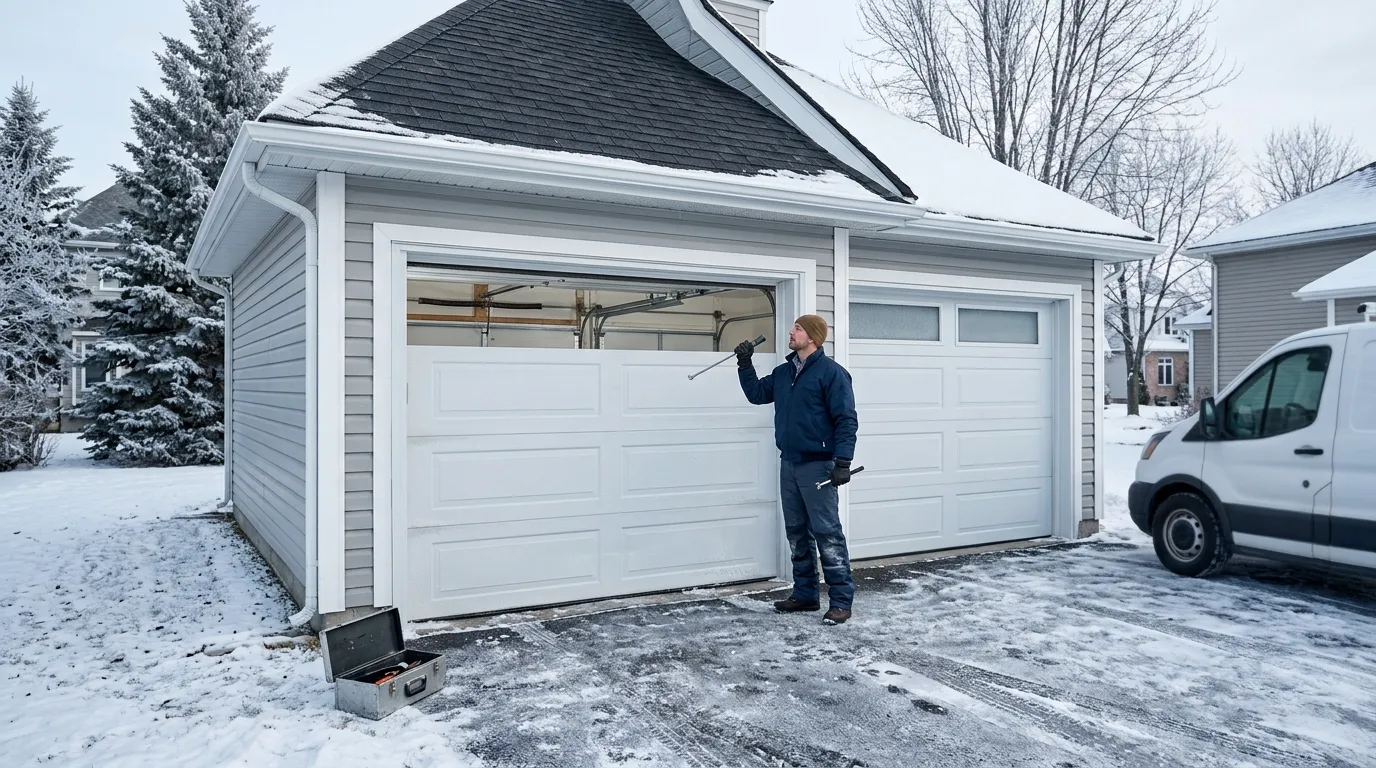
The other mistake is spraying WD-40 on everything and calling it done. It quiets a dry roller for a week or two but does nothing for a loosened bracket or a spring that's fatigued from age, and it can actually attract more dust to sections that need real lithium grease instead. We'll say plainly: not every noise needs a truck out to your house. A squeak that comes and goes with temperature is often just a hinge that needs grease, and you can do that yourself. Where it's worth a call is a new grinding sound, a bang, or anything that's changed suddenly rather than crept in slowly.
Questions
Common questions
My garage door only squeaks in the afternoon - is that serious?
Not usually. Allen's moderate heat band means garage temperatures climb through the day, and dry hinges or rollers squeal worse once they've warmed up. Try lithium-based grease on the hinges and rollers first. If the squeal turns into a grind or doesn't go away with lubrication, the roller itself may be worn rather than just dry.
How old does a garage door have to be before the noise means something structural?
Most Allen homes were built between 1971 and 2015, with 2005 as the rough median, so a lot of original hardware is now 15-20 years into use - right around where torsion springs reach the end of their rated cycle life. If your house is from that era and you're hearing a bang or rhythmic clunk, age is a real factor, not just wear you can lubricate away.
Can I fix a loose bracket noise myself?
Tightening a visibly loose lag screw on a track bracket is reasonable if you can reach it safely and the door is down. We won't tell you to touch anything near the torsion spring itself - that's not a DIY repair regardless of how simple the noise sounds.
Ready when you are
Need a garage door sorted in Allen?
Allen Garage Door Co repairs and installs garage doors, springs and openers in Allen, TX and the surrounding area.