
Guide
Why Some Allen Garage Doors Have No Insulation at All
Allen homes span 1971 to 2015. Here's why doors from the earlier subdivisions often lack insulation that later builds in Allen, TX got as standard equipment.
Local detail
What to Look At First
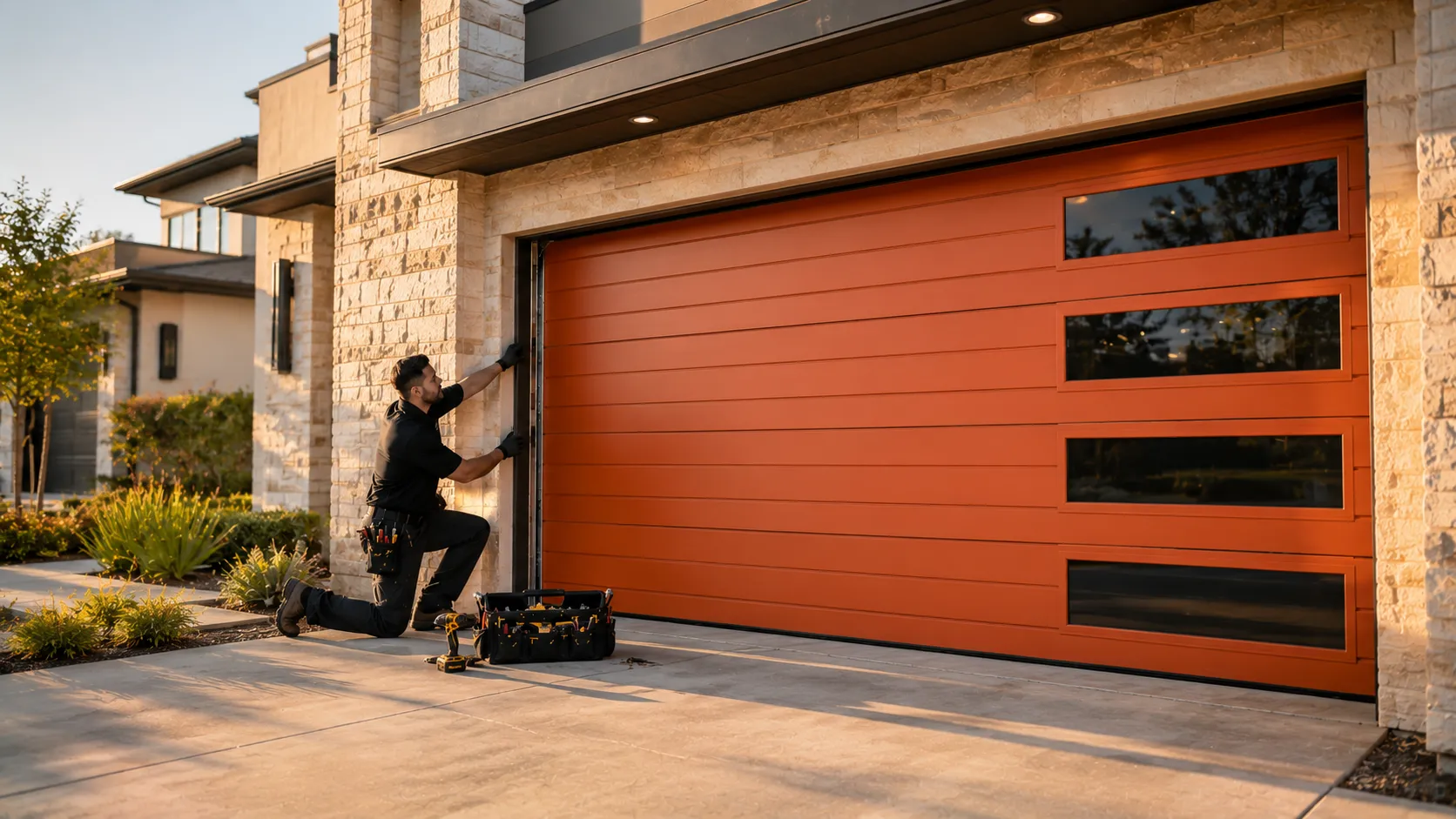
Before you decide anything, look at the door itself. Lift the bottom panel edge and check the inside face. A flat, hollow steel skin with visible ribbing and nothing behind it means no insulation. A sandwiched panel with a foam or fiberglass core behind a second interior skin means it's insulated, whether that's polystyrene or polyurethane.
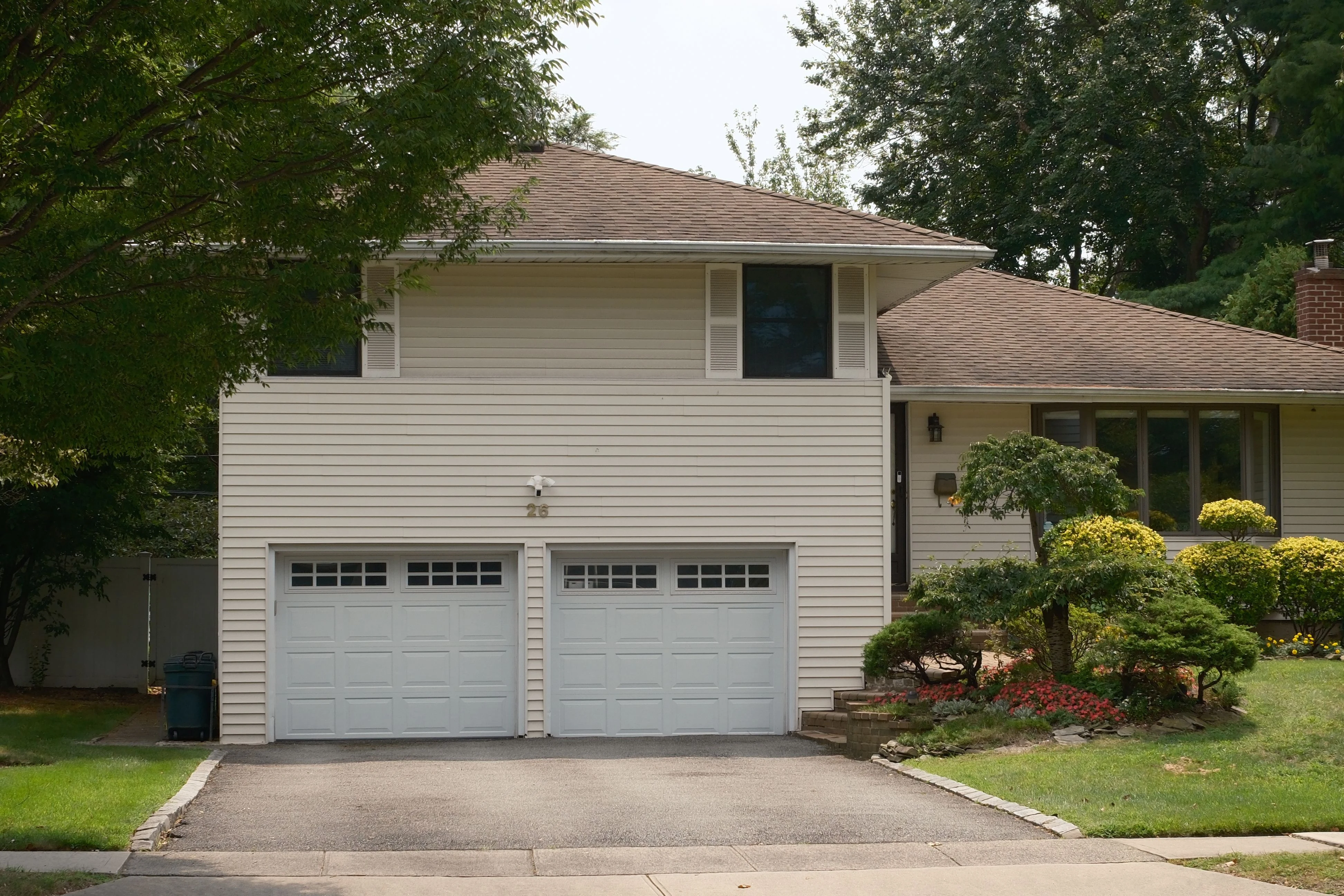
This matters more in Allen than it would in a town with one uniform building era, because the housing stock here spans 1971 through 2015, with the median build year around 2005. That's a 44-year spread. A door on a house from the early part of that range was very likely installed before insulated steel doors were common equipment on a production home. A door on a house from the back half of that range, especially the 2000s builds that make up most of the stock across the area's 17 named subdivisions, usually shipped insulated because that had become the norm.
So the first job isn't guessing your house's age from memory. It's opening the garage and checking the panel itself, because two houses on the same street can have doors from two different decades if one was a later infill build or a replacement job.
The area
What the Weather Here Does to It
Allen sits in a moderate-heat climate band, not the kind of extreme where an uninsulated door turns a garage into an oven every afternoon. That's worth saying plainly, because it changes the math on whether insulation is worth chasing. In a harsher heat zone, an uninsulated door on an attached garage pushes real heat load into the house next to it, and that shows up on the summer electric bill in a way you can measure.
Here, the effect is real but smaller. A steel door with no core still lets more heat radiate through than an insulated one, and if your garage backs onto a bedroom or a laundry room with ductwork running through it, you'll feel some difference on the hottest days. But it's not the kind of problem that demands an emergency fix. It's the kind of thing that tips the decision when a door is already old enough, or beat-up enough, that you're weighing replacement against a straight repair anyway.
So the honest read: in Allen's climate, insulation is a comfort and efficiency upgrade you consider alongside other reasons to replace a door, not a reason on its own to swap out a door that's otherwise sound.
What we find
What Is Going On
The pattern here traces straight back to when Allen was actually built out. Housing construction ran from 1971 to 2015, and most of what's on the ground now dates to the 2000s stretch of that window. Insulated garage doors moved from an option to a standard builder spec somewhere in the middle of that span, as energy codes tightened and buyers started asking for it. So a house framed in the early-to-mid 1970s almost certainly got a single-skin steel door as original equipment, because that's what every builder was hanging at the time. A house framed in 2004 almost certainly didn't, because by then an insulated door cost the builder very little more and gave them something to put on the spec sheet.
Across the service area there are 56,975 households, and 36,095 of those are owner-occupied houses rather than rentals. That matters because owner-occupied homes are far more likely to still have their original door decades later - nobody swaps it out between tenants the way a rental turnover might force. So the uninsulated doors from the earlier build years aren't rare exceptions in Allen. They're just quietly still there, on houses whose owners have never had a reason to think about the door until something on it breaks.
How we work
Where People Go Wrong
The most common mistake is assuming every door in the neighborhood is the same age as the house next to it. It usually isn't. A prior owner may have replaced a failed door at any point in the last forty-plus years, so a 1970s house can easily be sitting behind a 2015 insulated door, and a 2000s house can have a door that was never upgraded from a cheaper original.
The second mistake is treating insulation as something you can add after the fact to a door that wasn't built for it. You can't glue foam board to the inside of a single-skin steel panel and call it insulated - the door wasn't engineered for that added weight on the hinges, rollers, and opener, and it won't seal at the edges the way a factory-insulated panel does. That's the honest limitation here: retrofitting insulation into an existing uninsulated door isn't a real repair option. The door gets replaced, or it stays as it is.
With a median household income of $110,357 across the area, most homeowners here aren't stretched thin by that choice, and plenty go ahead and replace an old single-skin door once it's due for other reasons - a bent track, a dead spring, rollers that have worn past the point of smooth travel.
Questions
Common questions
How do I know if my garage door in Allen is insulated?
Open the door and look at the inside face of a panel. If it's a flat steel sheet with visible ribs and nothing behind it, it's not insulated. If you see a second interior skin with foam or fiberglass sandwiched between the layers, it is. You can also tap it - hollow versus solid is a quick tell.
Is it worth adding insulation to an old door here?
You can't retrofit insulation into an existing single-skin steel door - it wasn't built to carry the added weight or seal that way. If the door's otherwise sound, insulation alone usually isn't reason enough to replace it in Allen's moderate-heat climate. If the door's already due for other work, replacing with an insulated model makes sense.
Why does my neighbor's door look newer than mine if the houses are the same age?
Original doors get replaced individually over the decades, not on a schedule tied to the house. Allen's housing dates from 1971 to 2015, so two same-age houses can easily have doors from two very different install years if one owner replaced theirs at some point and the other didn't.
Does Allen's climate make insulation a must-have?
No. Allen sits in a moderate-heat band, not an extreme one, so an uninsulated door is a comfort and efficiency factor rather than an urgent problem. It matters more if your garage shares a wall with a living space, but it's rarely the sole reason to replace a door that's otherwise working.
Ready when you are
Need a garage door sorted in Allen?
Allen Garage Door Co repairs and installs garage doors, springs and openers in Allen, TX and the surrounding area.