Commercial Garage Door Service for Princeton, TX in Allen

Princeton, Allen

Commercial Garage Door Service for Princeton, TX

Princeton's commercial buildings mostly went up after 2012, so the doors and openers on them are still first-generation. Here's what that means for repair calls.

Serving Allen, TXBackground-checked techsHonest, upfront pricingFast local response

Local detail

What It Costs

We don't quote a number here, because a rollup door on a Princeton warehouse and a sectional steel door on a strip-mall unit don't cost the same to fix, and we're not going to pretend otherwise. What we can tell you is what drives the number: whether the opener is original to the building or already a replacement, whether the springs are the factory set or something a previous tenant swapped in, and how much of the track and hardware is still 2012-era stock. Princeton's commercial building here is newer than most of the towns we cover out of Allen - median year built across the service area is 2005, and Princeton runs closer to 2012 - so a lot of what's on these buildings has never been touched. That cuts both ways. Newer means less rust and fewer mystery patches, but it also means most of these doors are approaching the point where the first factory spring set, rated for a fixed number of cycles, starts to fail. We'll look at the door in person before we say anything about cost, and we'll tell you plainly if a repair isn't worth it against a straight opener swap.
What It Costs
Time on the Job

The area

Time on the Job

We run this job from Allen, about 11 miles out. That's a drive, not a dispatch promise - we're not going to claim a response window we haven't been asked to state, and we'd rather be honest about the distance than vague about the timing. On site, a straightforward opener or spring job on a commercial sectional door usually runs shorter than a rollup door repair, simply because rollup hardware is heavier and often mounted higher, which means more time on the ladder and more care around the counterbalance. If the building is one of the newer builds going up around Princeton's growth since 2012, the hardware is usually still factory-original, which actually speeds things up - no guessing at what a previous repair left behind, no mismatched parts from three different eras stacked on one track.

What we find

What Is on the Truck

For commercial calls in this area we stock for the newer track hardware you see on buildings built in the last decade or so, and Princeton's stock skews newer than a lot of what we service. That shapes what comes off the truck on a call.

What we carry for commercial

For commercial calls in this area we carry torsion springs sized for heavier sectional doors, commercial-grade opener parts, and roller and cable stock that fits the newer track hardware you see on buildings built in the last decade or so.

Newer stock, like-for-like swaps

Princeton's stock skews newer than a lot of what we service, so we're less likely to be hunting for an obsolete part and more likely to be swapping a like-for-like piece off the truck. That's the upside of newer construction on these buildings.

The limit on rollup and custom doors

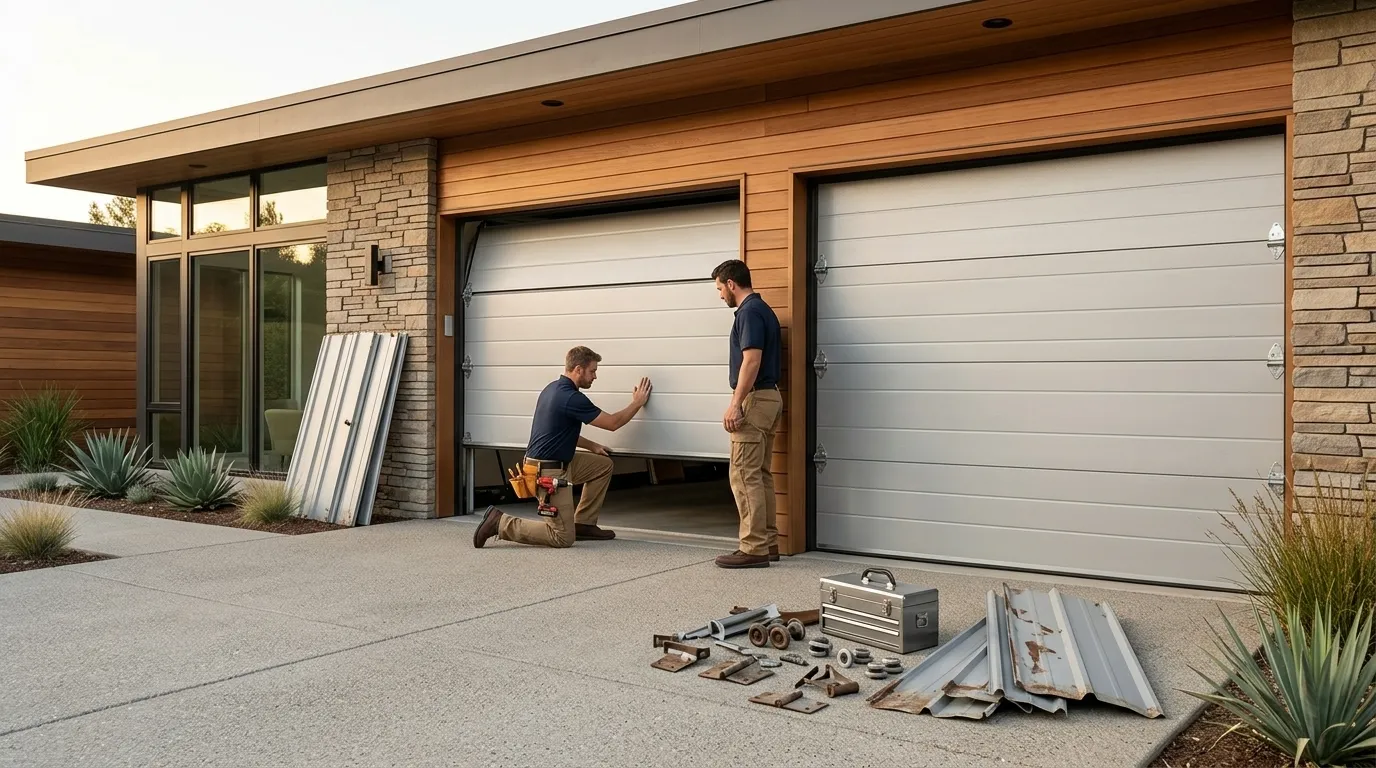
Rollup and high-cycle commercial doors sometimes use hardware we don't stock as standard, especially anything oversized or custom to a specific building. If that's what's on your door, we'll tell you on site rather than promise a same-visit fix we can't back up.

How we work

What the Repair Takes

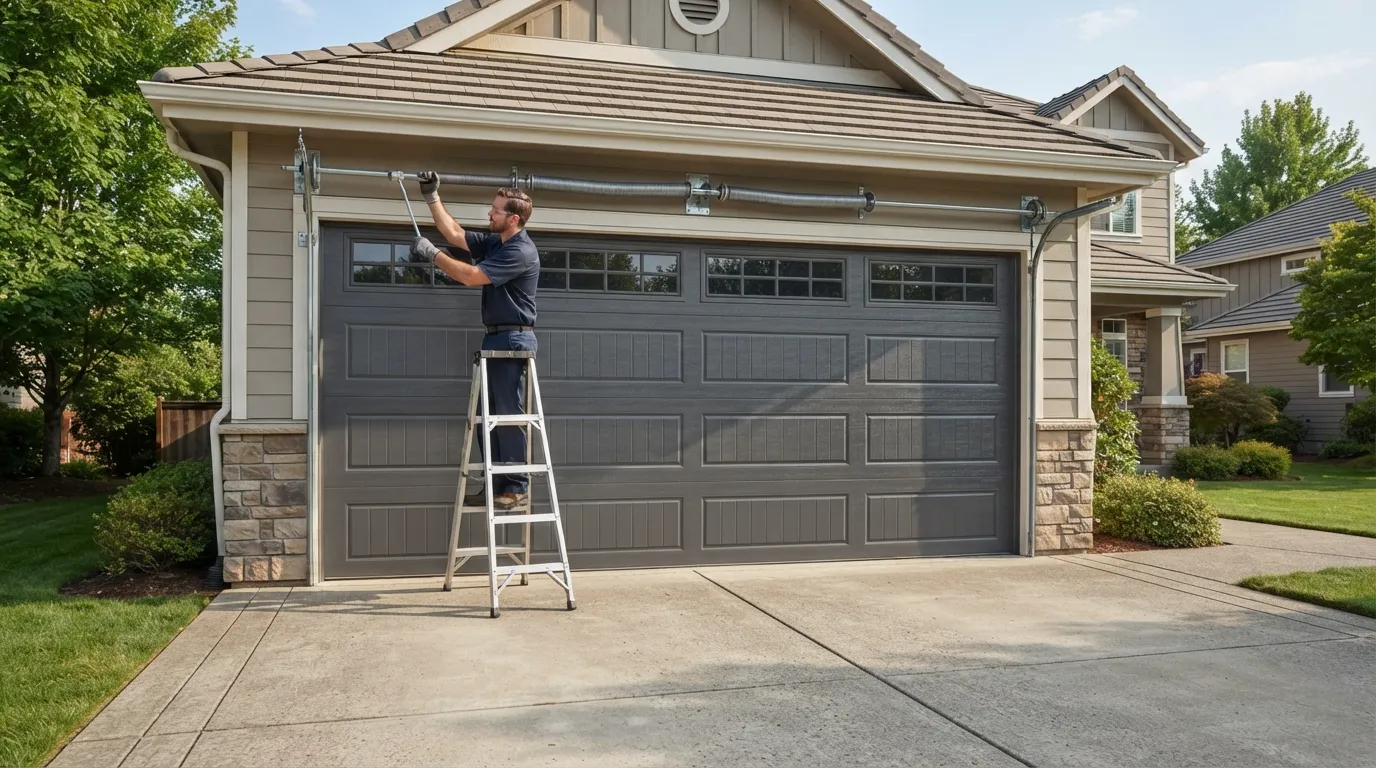
Most commercial calls in Princeton run in the same order - springs, then opener settings, then track and rollers - because that sequence finds the real fault before anything gets replaced. Here's how a commercial repair takes shape on site.

  1. Check the springs first

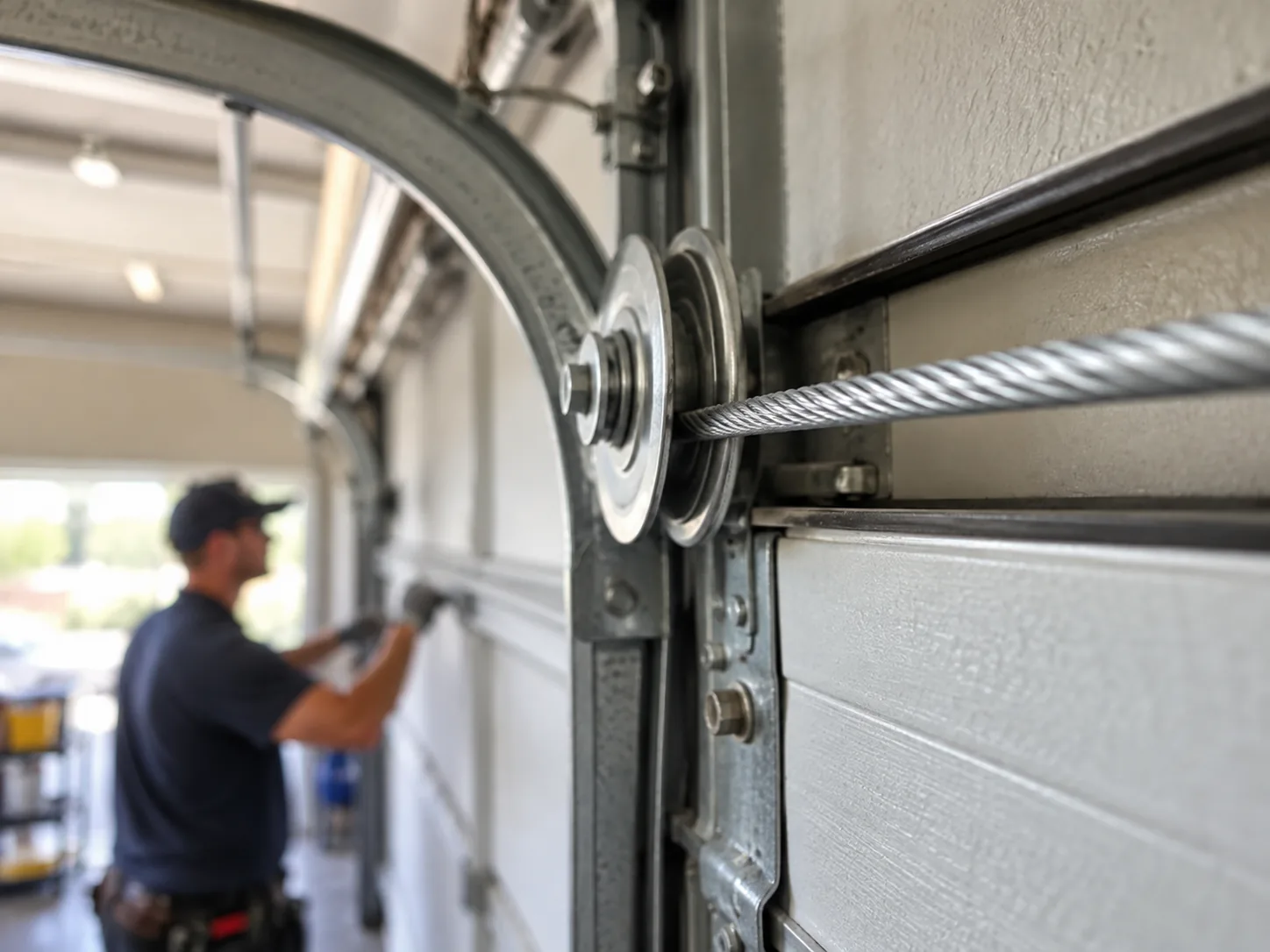
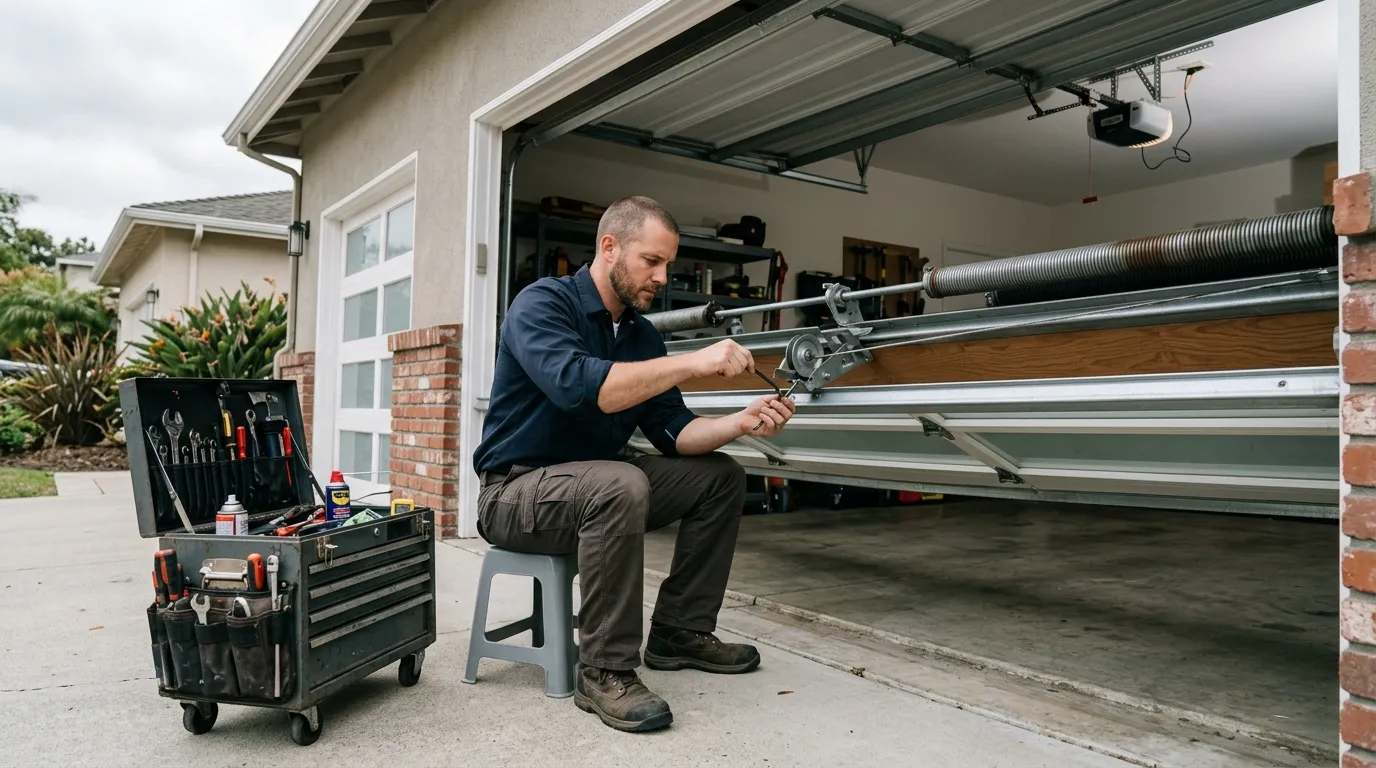
    Most commercial calls in Princeton start the same way - we check the springs first, because on a door built after 2012 they're likely still the original factory set. A factory spring nearing the end of its rated cycle count is the single most common reason a heavy commercial door suddenly won't lift or won't hold.

  2. Test opener force and limit switches

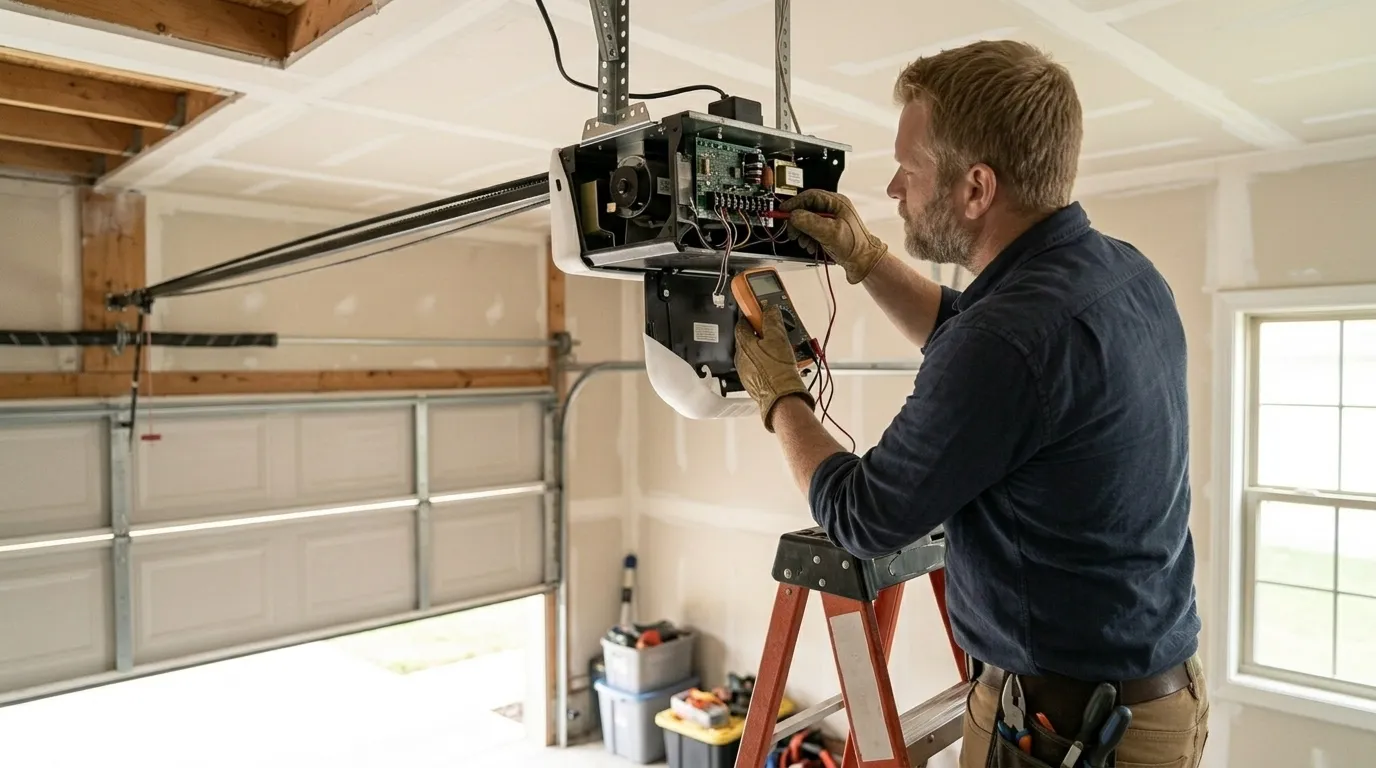
    After that we check the opener's force settings and limit switches, since a door that's original to the building may also have an opener that's never been recalibrated since install.

  3. Check track alignment and rollers

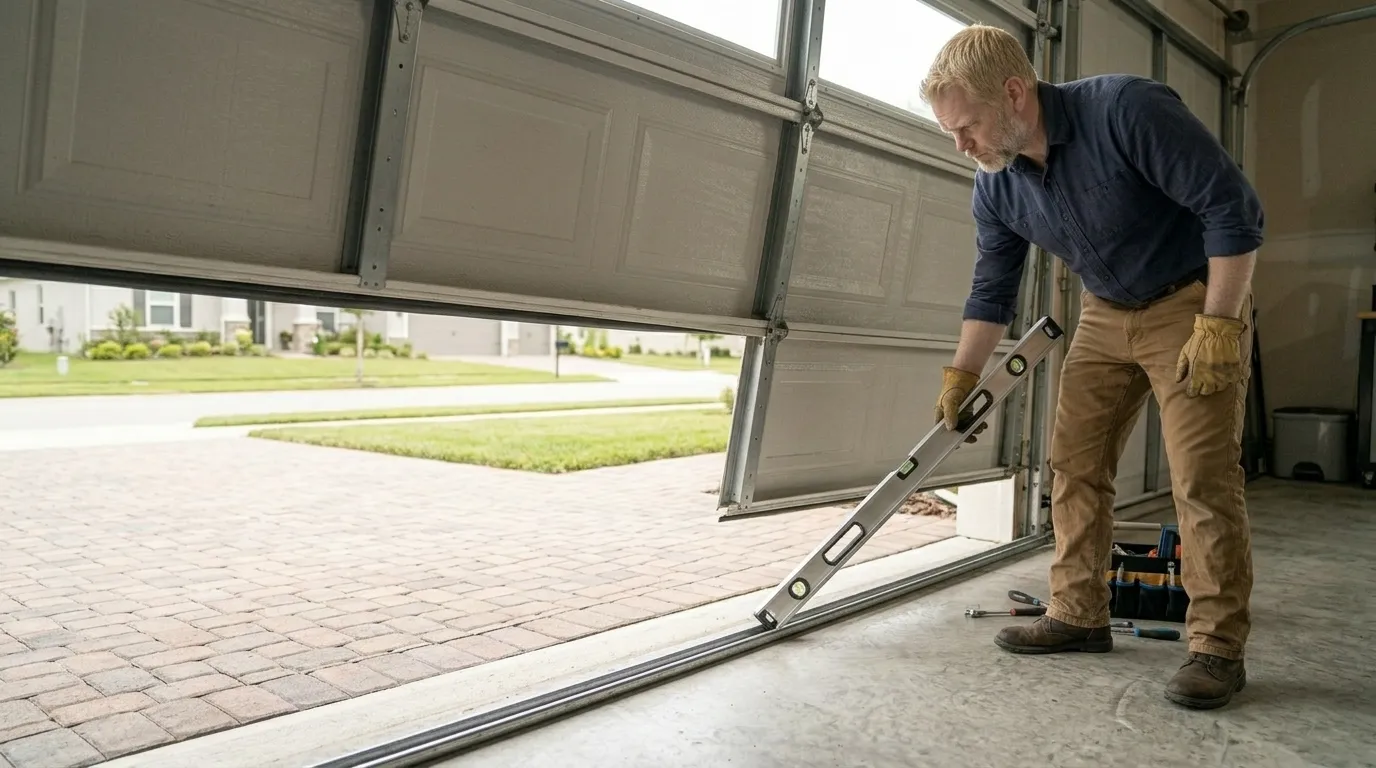
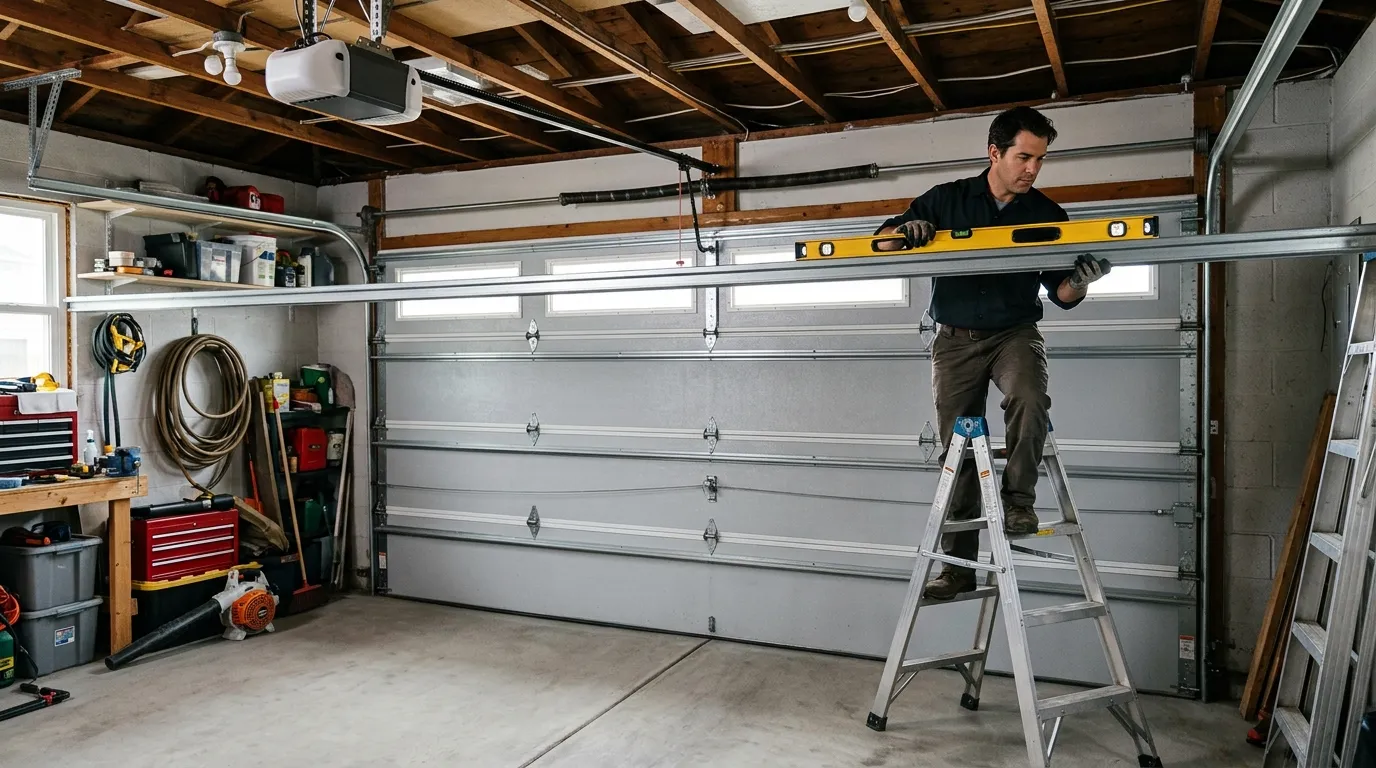
    Track alignment and roller wear come next, especially on doors that see a lot of daily cycles - loading dock doors and retail bay doors both fall in that category.

  4. Repair once, not by guessing

    We do the repair once we know what's actually wrong, not before. Guessing on a commercial door means a callback, and a callback costs the business more than doing it right the first time.

Good to know

What Can Go Wrong

The regional climate and the newness of the stock both shape what fails on these buildings - moderate heat ages rollers and belts, and because so little has been replaced yet, one failing part can take a neighbor with it.

Heat that ages rollers and belts

The heat here is the moderate kind common to this part of Texas - not the extreme swings that crack steel panels, but enough to make nylon rollers and opener belts age faster than they would in a cooler climate, especially on south-facing bays that take sun most of the day.

A decade of thermal cycling

On a building built around 2012, that's over a decade of thermal cycling on the same rollers and belt, which is exactly the age range where we start seeing failures on commercial doors that have never had a part replaced.

One failure takes a neighbor with it

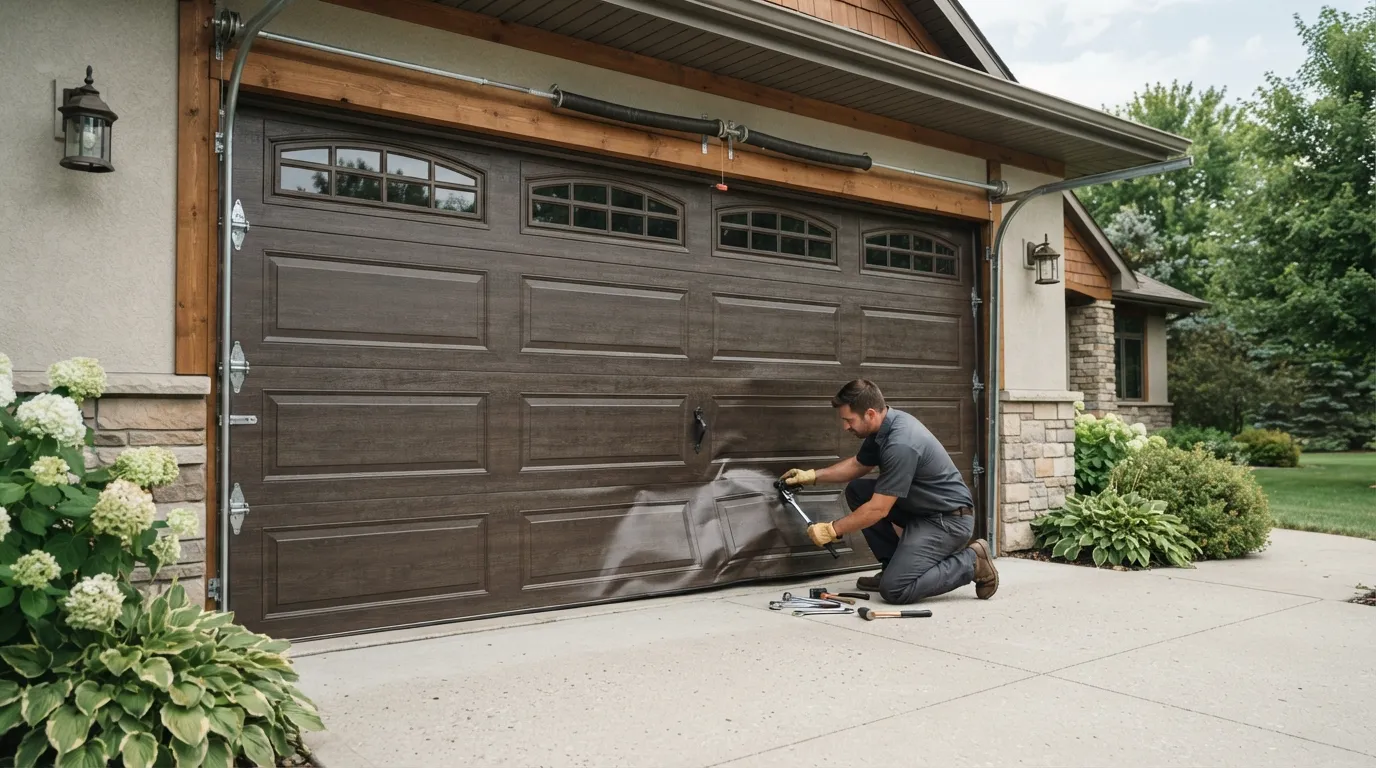
Because so little has been replaced yet, a failing part often takes a neighboring part with it - a seized roller that's been dragging on the track for months can wear the track itself, turning what should've been a small roller swap into a track replacement. Catching it early is cheaper than catching it after the door won't move at all.

Questions

Common questions

Is my commercial door's hardware still original if the building went up around 2012?

Likely yes. Princeton's commercial stock is newer than most of what we service, and a lot of it hasn't been touched since install. That means factory springs and openers that are now over a decade into their rated life - worth a look even if the door still seems to work fine.

Do you have a location in Princeton?

No. We run out of Allen, about 11 miles away, and drive out for the job. We're upfront about that distance rather than implying a local branch we don't have.

What's the most common commercial failure you see on newer buildings like these?

Original torsion springs reaching the end of their cycle count, and opener force settings that were never recalibrated after install. Both show up more on buildings that haven't had any prior repair work done.

Will you fix a rollup door if you don't stock the exact part?

We'll tell you on site if that's the case rather than promise a same-visit fix. Some oversized or custom commercial hardware isn't standard stock, and we'd rather order the right part than force a mismatch.

Ready when you are

Need a garage door sorted in Allen?

Allen Garage Door Co repairs and installs garage doors, springs and openers in Allen, TX and the surrounding area.

CallGet a quote