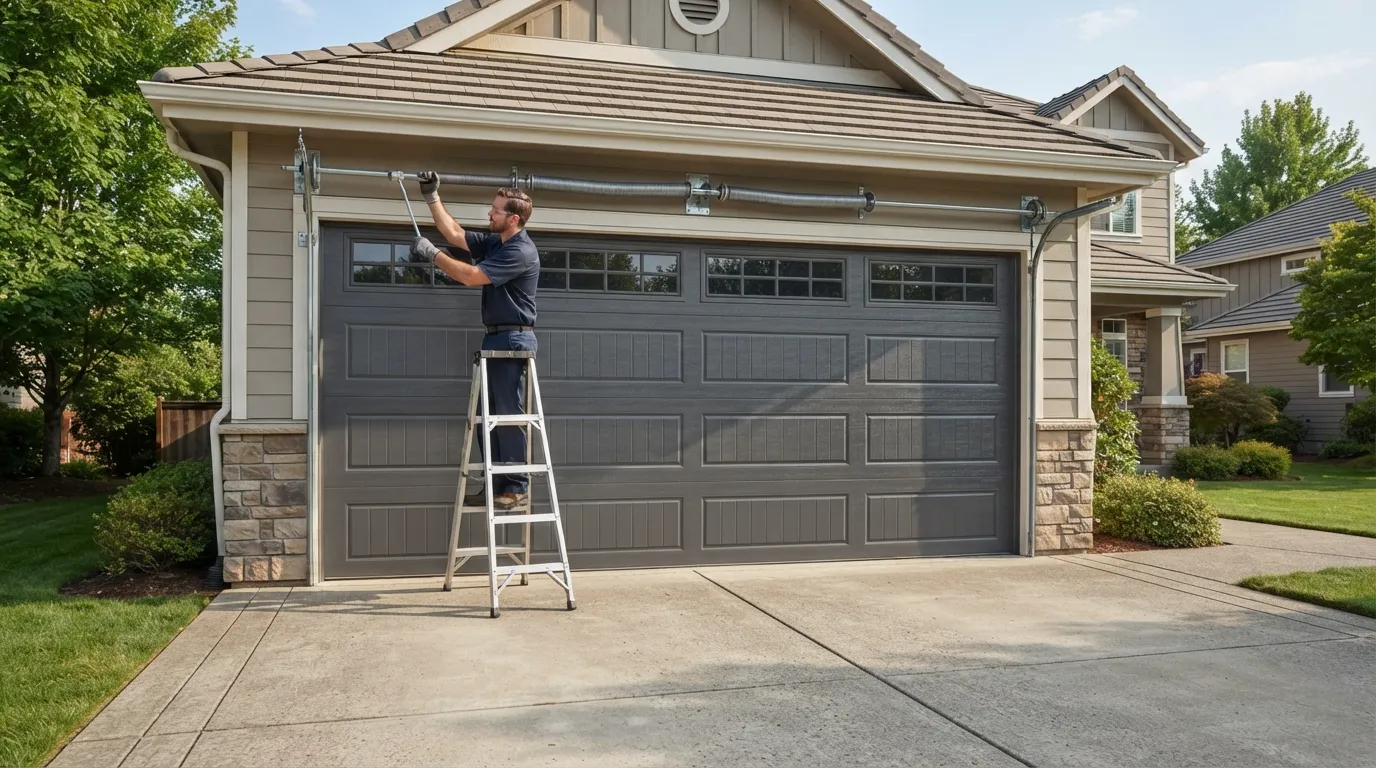
Cable Repair for Princeton's Newer Garage Doors in Allen

Princeton, Allen

Cable Repair for Princeton's Newer Garage Doors

Cable snapped or frayed on a Princeton garage door? Allen Garage Door Co repairs cables on the newer, builder-grade doors common in Princeton's 2012-era homes.

Serving Allen, TXBackground-checked techsHonest, upfront pricingFast local response

Local detail

What It Costs

We don't quote a cable job over the phone without seeing the door, and we won't pretend otherwise here. What we can tell you is what drives the number: cable gauge, drum size, whether one cable failed or both, and whether the drum or bottom bracket got scored on the way down. Princeton skews newer than a lot of the wider service area - median build year here is 2012, against 2005 for the broader area we work in - which means most doors we see are still on their factory cable and drum, not a mismatched replacement from a prior repair. That usually keeps the job simpler and the parts list shorter.

Princeton's median household income sits at $96,766, a bit under the $110,357 median across the wider area. We mention that only because it shapes what we recommend: on a door this age, a straight cable swap is almost always the right call, not a full hardware upgrade. We're not going to sell a homeowner a new drum and track system when the original parts are eight to ten years old and otherwise sound.

What It Costs
Time on the Job

The area

Time on the Job

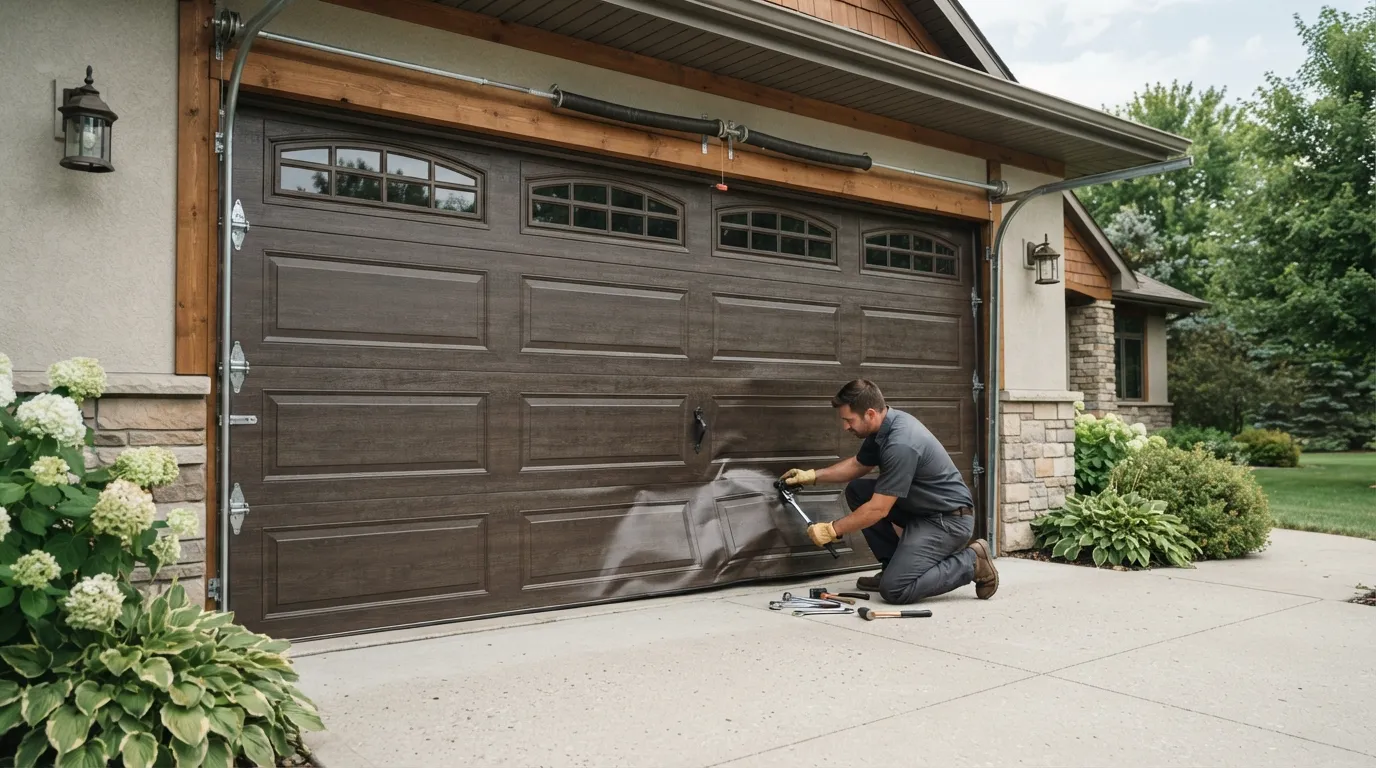
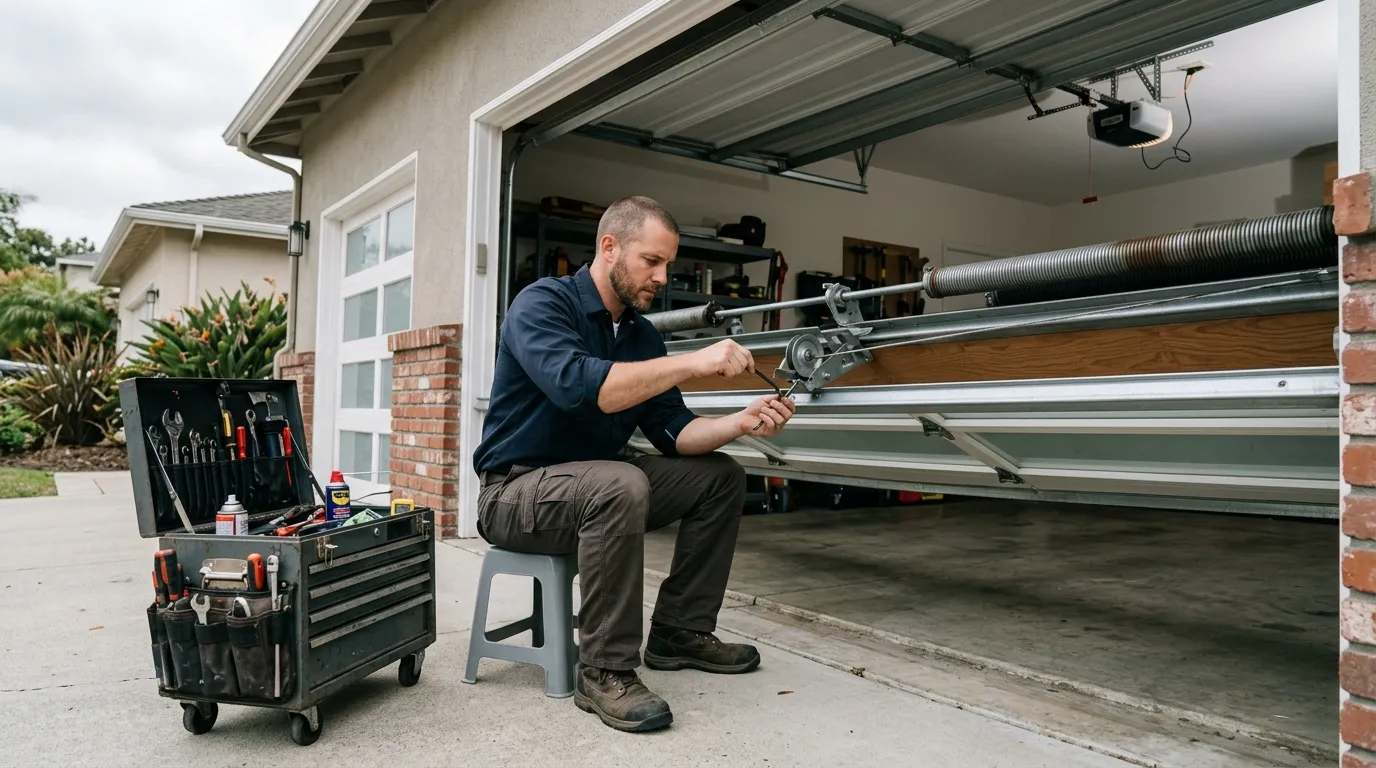
A single snapped cable on a torsion-spring door, caught before the drum or track takes damage, is a contained job - unwind the spring safely, pull the old cable off the drum, run the new one, reset tension, test the balance. Two cables at once, or a cable that jumped the drum and kinked the track on the way, takes longer because we're straightening or replacing track as well as swapping cable.

We travel to Princeton from Allen, about 11 miles out, so we don't promise a same-hour arrival the way a shop with a local depot might. What we do promise is that once the truck is on-site, the repair itself doesn't take longer just because it's Princeton - the doors here are newer and the hardware is generally cleaner to work on than older stock elsewhere in the area, which keeps the job itself on the shorter end.

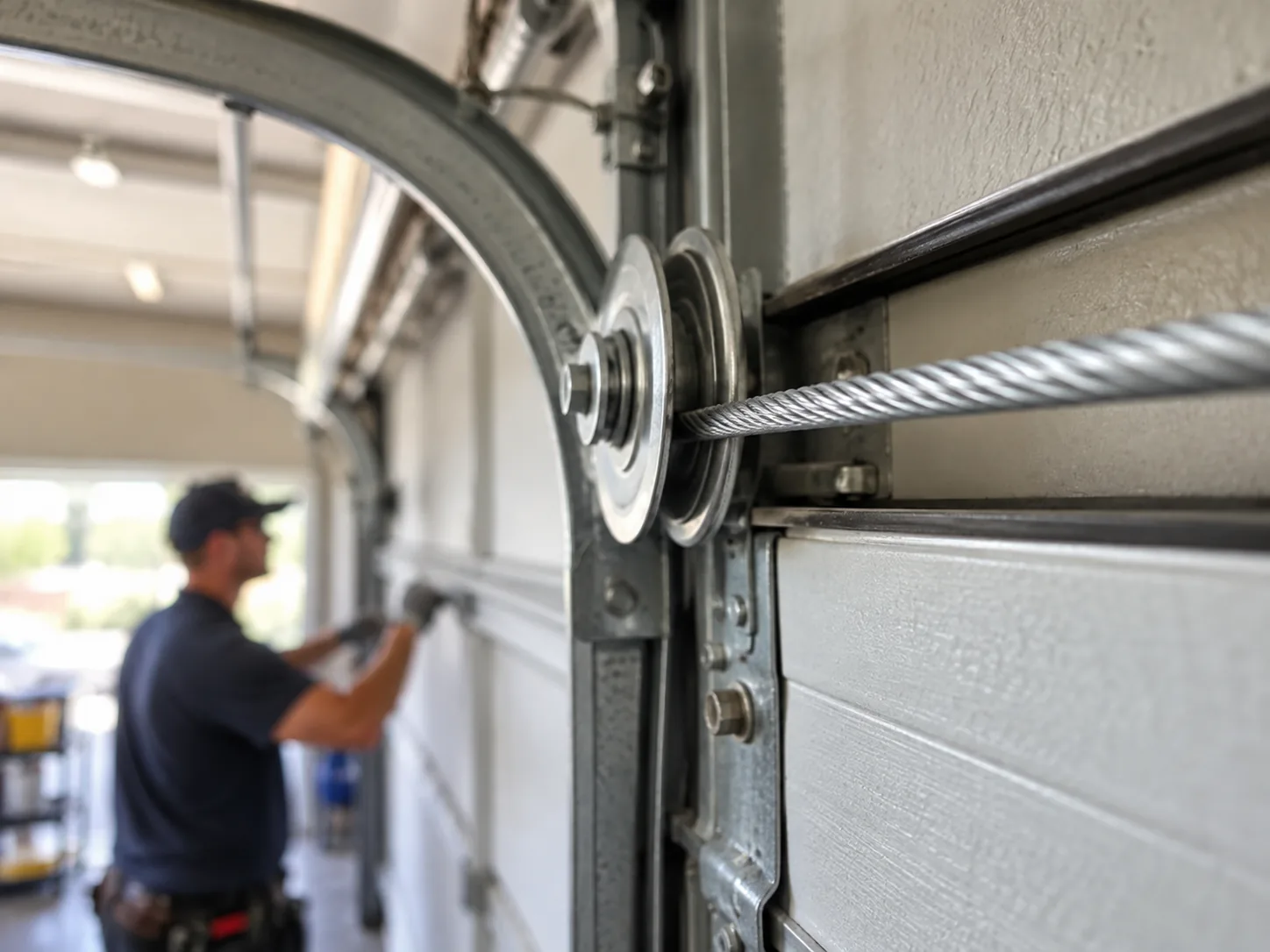
What we find

What Is on the Truck

Because most housing across this service area went up between 1971 and 2015, with a lot clustered around 2000s builds and Princeton's own median at 2012, the truck is stocked for the standard torsion hardware builders used through that whole run.

Cable sized for standard doors

The cables we stock most heavily are sized for standard 7-foot residential doors on torsion hardware, the setup builders used through that whole run. Princeton's newer median build year, 2012, means we're usually pulling factory-spec cable rather than trying to match an odd replacement someone installed years back.

What we carry

We carry galvanized aircraft cable in the common gauges, replacement drums, bottom brackets, and the safety cables some installers skip on the first build. On a 2012-era Princeton door still on its original hardware, those stock parts cover the majority of cable jobs without a special order.

The one honest limit

What we don't carry is every obscure cable length for uncommon door widths. If a Princeton door turns out to be a nonstandard size, we may need to order that specific cable rather than pull it off the truck, and we'll tell you that up front rather than stall on-site.

How we work

What the Repair Takes

Cable work on a torsion door follows a fixed order for safety and balance - the spring comes first, the cable second, and a hand-balance check last. Here's how a cable repair runs on a typical newer Princeton door.

  1. Secure the spring first

    Cable repair starts with the spring, not the cable. Before anyone touches a broken cable on a torsion system, the spring has to be unwound and locked off - that's the dangerous part, and it's why this isn't a homeowner job even on a newer door.

  2. Pull the old cable, check the drum

    Once the spring is secured, we pull the damaged cable and check the drum grooves for wear. Newer doors, like most of what we see in Princeton, usually pass this check clean, which keeps the job on the shorter end.

  3. Run and seat the new cable

    We run new cable through the pulley and around the drum, seating it on both sides. On a 2012-era build with the original hardware still in place, this goes cleanly because the parts haven't been swapped piecemeal over the years.

  4. Rebalance the door

    After the new cable is seated, we rebalance the door - resetting spring tension so it holds still at chest height without help from the opener. On an older door with mismatched replacement parts, rebalancing takes longer, but that's not the typical Princeton call.

Good to know

What Can Go Wrong

On a newer door, cable trouble usually traces to a single event rather than slow wear - and a jumped cable can hide a second problem that a cable swap alone won't solve. Here's what we actually find and where the honest limits are.

A jumped cable, not a frayed one

The most common failure we see on doors this age isn't the cable fraying from years of wear - it's a cable that jumped the drum because the door was run off-track once, maybe by a car bumper or a door that got forced past a jam. On a 2012-built home, that's more often the story than slow degradation, since the hardware hasn't had time to wear out on its own.

When cable repair isn't enough

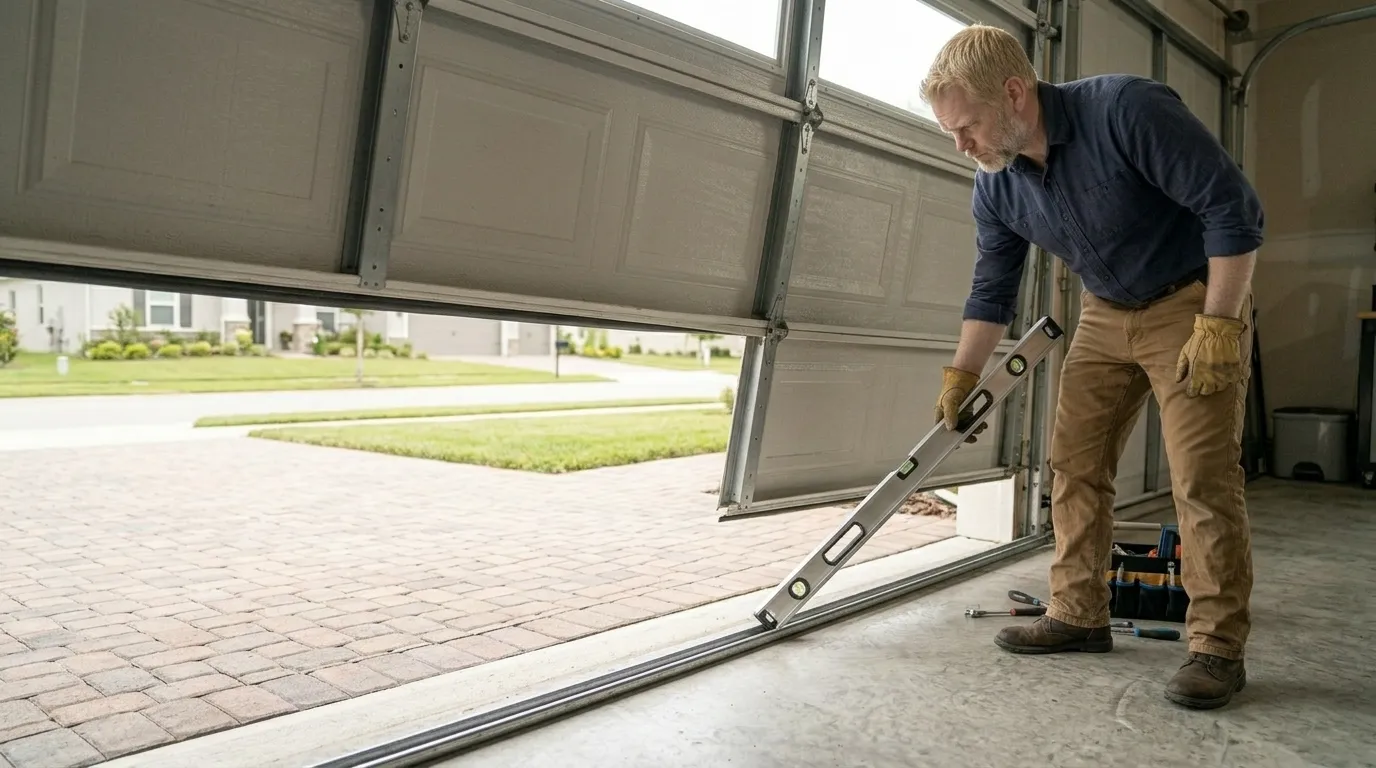
The honest limitation: if a jumped cable also bent the track or cracked a panel, cable repair alone won't fix the door. We'll say so on-site rather than replace the cable and send you off with a door that's still binding.

Check the opener's travel limits

If the opener's travel limits were never reset after a prior repair, a new cable won't fix a door that reverses or won't close. That's a separate adjustment, and we'll flag it rather than charge for cable and call it solved.

Questions

Common questions

Why do Princeton's garage doors need different cables than older homes in the area?

Most Princeton homes were built around 2012, later than the area median of 2005. That means original torsion hardware and factory-spec cable are still common here, whereas older homes in the wider service area are more likely running mismatched replacement parts from past repairs.

Do you have a local Princeton office for faster response?

No. We run this job from Allen, about 11 miles away. We don't operate a depot or branch in Princeton, so we can't promise a specific arrival window the way a locally based shop could - we'll give you a realistic estimate when you call.

Can I replace a garage door cable myself?

Not on a torsion system. The spring has to be safely unwound and locked before the cable comes off, and that step is where most DIY injuries happen. Even on a newer, well-maintained Princeton door, this isn't a job to do without the right bars and clamps.

Will a new cable fix a door that won't close all the way?

Sometimes, but not always. If the cable jump also bent the track or the opener's travel limits got knocked off, cable repair alone won't solve it. We check the whole door before we call the job done, not just the part that snapped.

Ready when you are

Need a garage door sorted in Allen?

Allen Garage Door Co repairs and installs garage doors, springs and openers in Allen, TX and the surrounding area.

CallGet a quote