
Door won't lift
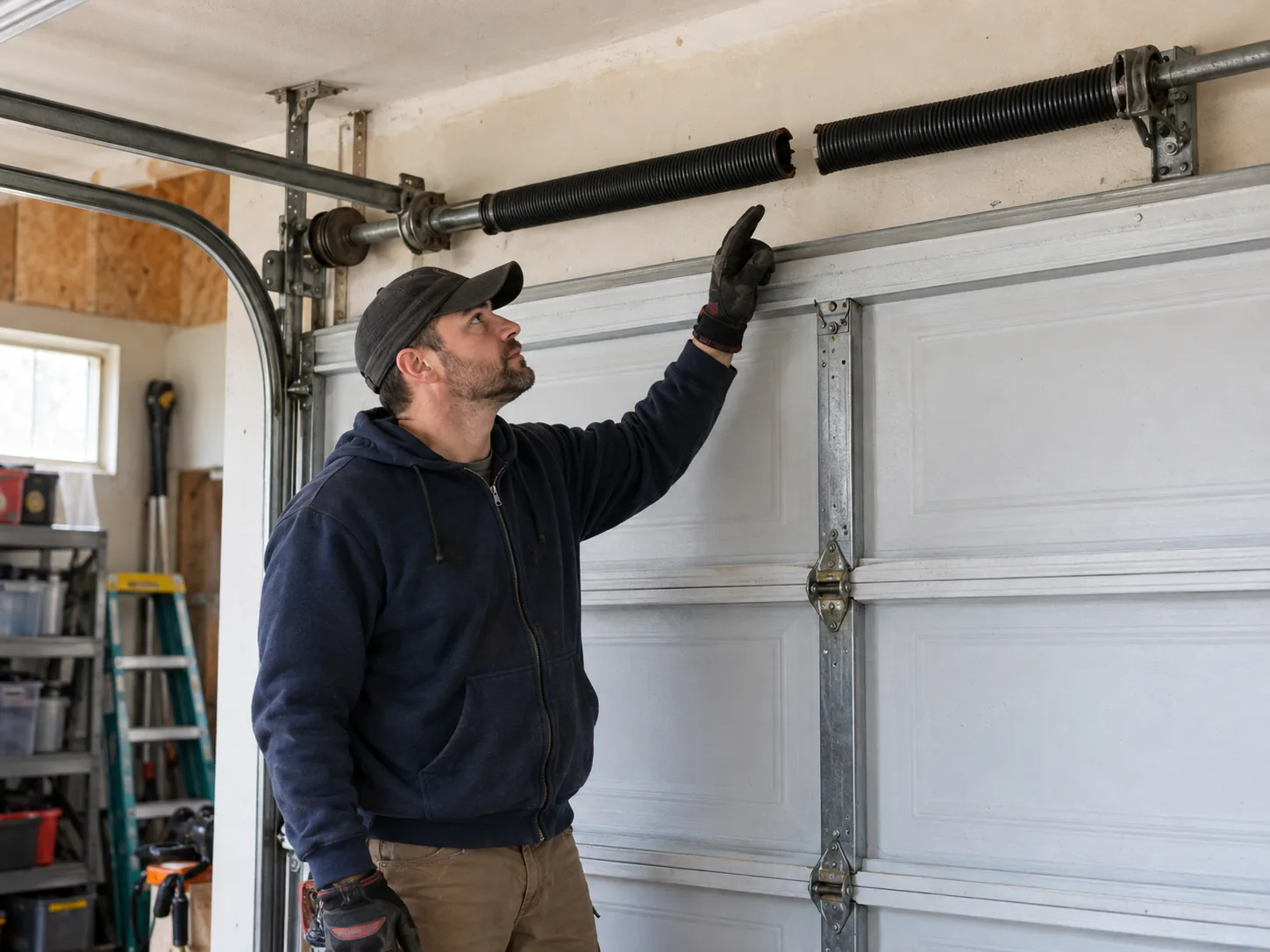
The most common sign is a door that won't lift, or lifts only a few inches before the opener strains and stalls. That's the opener trying to move a door the spring is no longer helping to counterbalance.
Parker, Allen
Torsion spring repair for Parker, TX homes built since the early 2000s. Allen Garage Door Co travels 4 miles to fix broken springs on double-wide doors.
Local detail
We don't keep a branch in Parker. We drive the 4 miles from Allen with a stocked truck, not a branch office in Parker, and that's the honest setup for every call in this pocket of the service area. What that means for you: we carry common torsion spring sizes on the truck, but Parker's homes tend toward wider double doors, and if your door needs an oversized or custom-wound spring, that part sometimes has to be ordered before we can finish the job on the same visit. We'll tell you on the phone, before a truck rolls, whether your door sounds like a standard job or one that needs a part we don't carry that day. Parker is a small pocket - 1,553 households - so we're not scheduling a route through the neighborhood the way we might in a bigger area. Each call gets booked as its own trip from Allen. If you're calling about a spring that's already snapped and the door won't move, say so up front; that changes what we bring.
The area
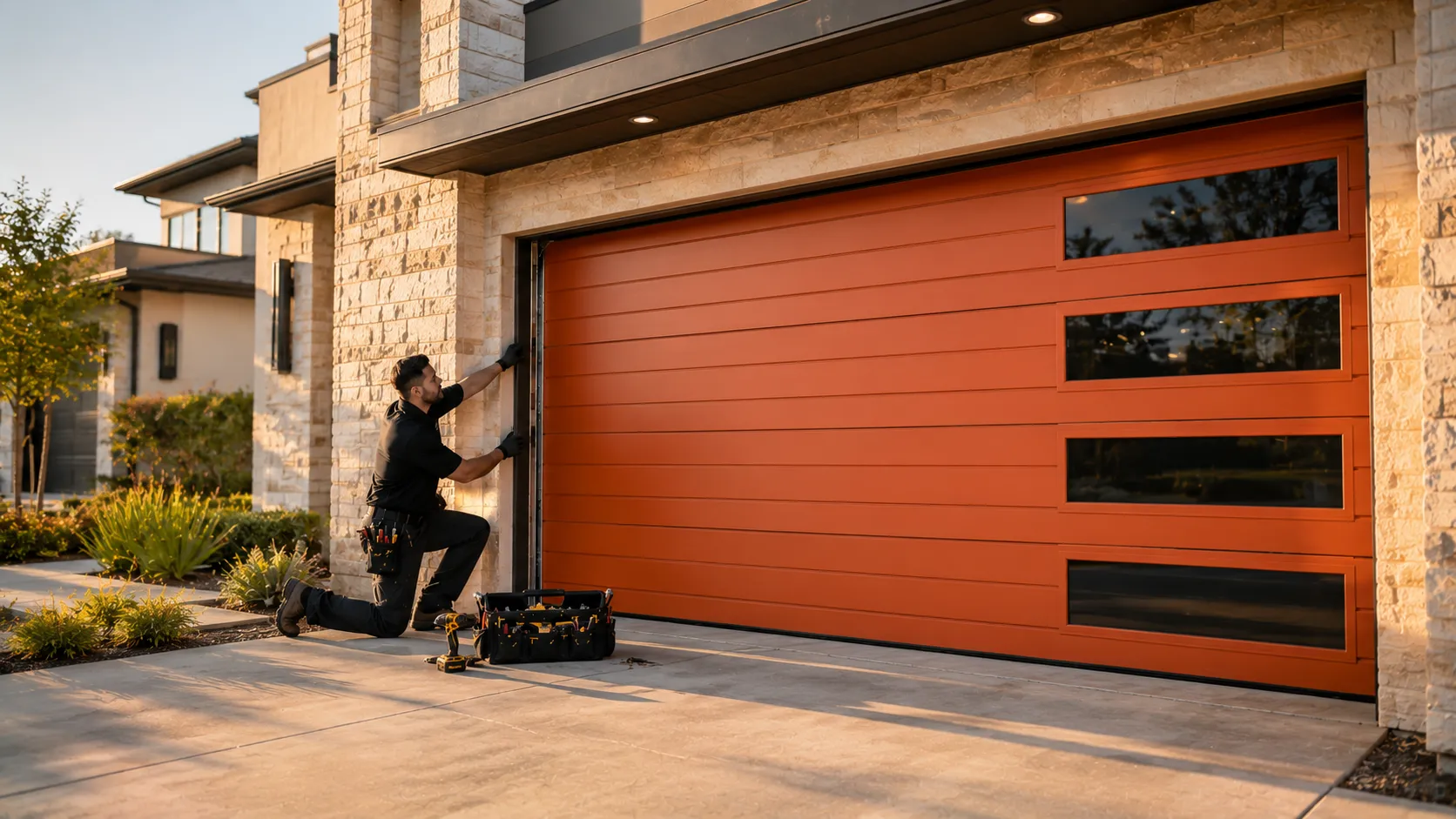
Double-wide doors common in Parker's early-2000s construction run two torsion springs instead of one, and both usually need replacing within a season of each other. Here is how a spring repair goes on a Parker door.
Double-wide doors common in Parker's early-2000s construction run two torsion springs instead of one, and both usually need replacing within a season of each other, even if only one has actually broken. That's not upselling - it's how torsion springs age under a matched load.
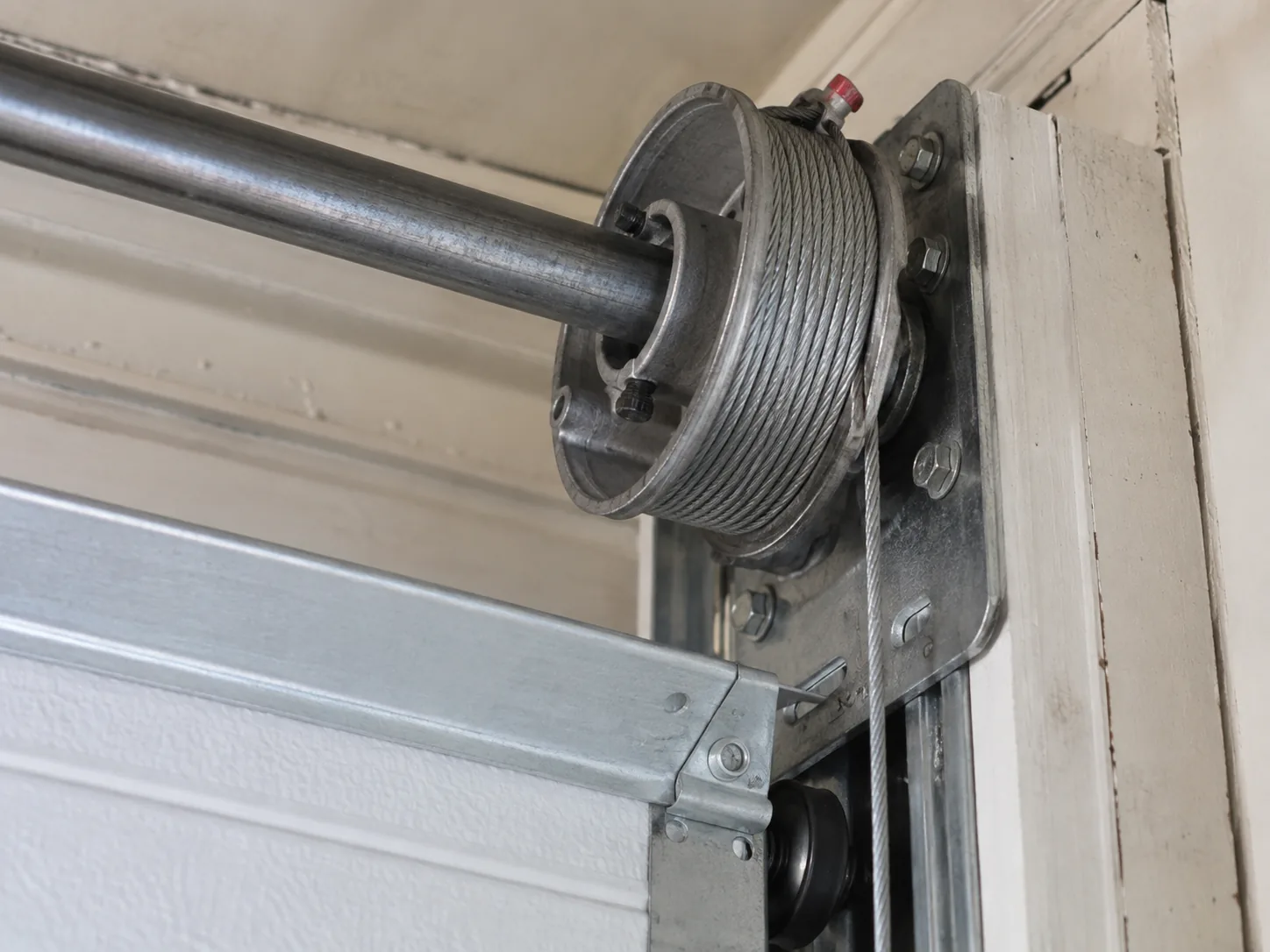
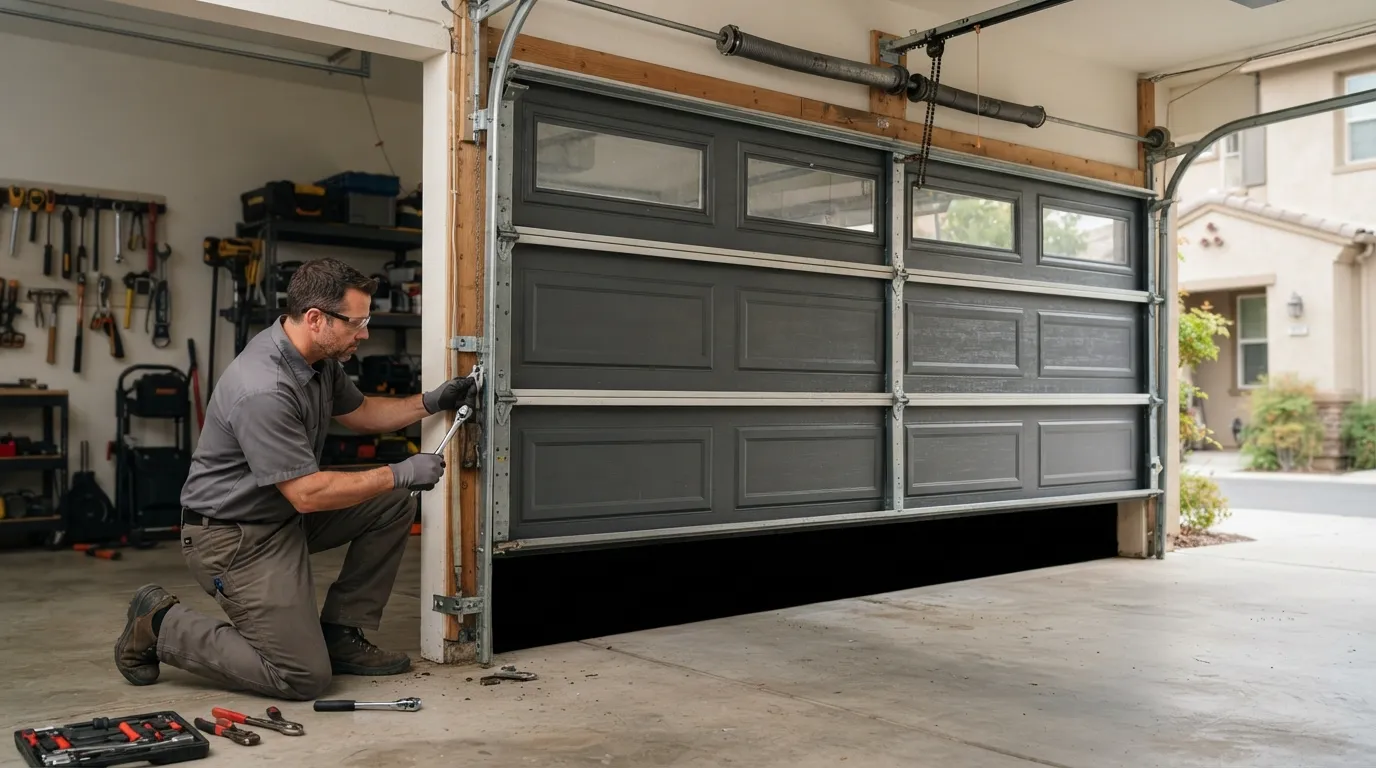
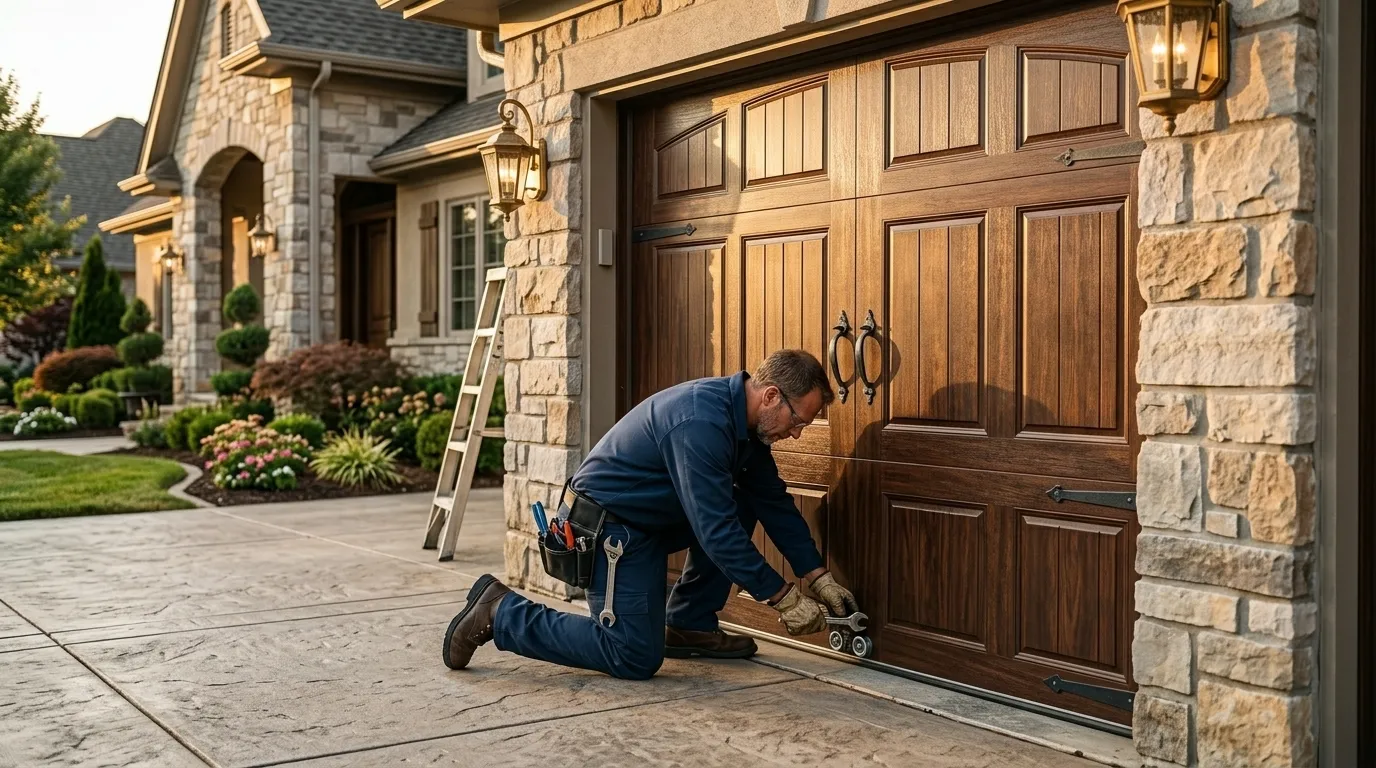
We measure the door's weight, wire size, and drum before winding in the new springs, unbolt the old center bracket, and check the shaft and bearings while everything's off, since a bearing that's worn out will eat a new spring just as fast as the old one. On a standard double door this is usually finished in one visit.
What we don't do is patch a spring - stretch it, re-hook it, add a turn - because a torsion spring under partial tension is a hazard, not a repair.
If the door itself has sagged or the tracks have bent from the door dropping suddenly, that's a separate conversation, and sometimes it means the door is due for replacement rather than another spring.
What we find
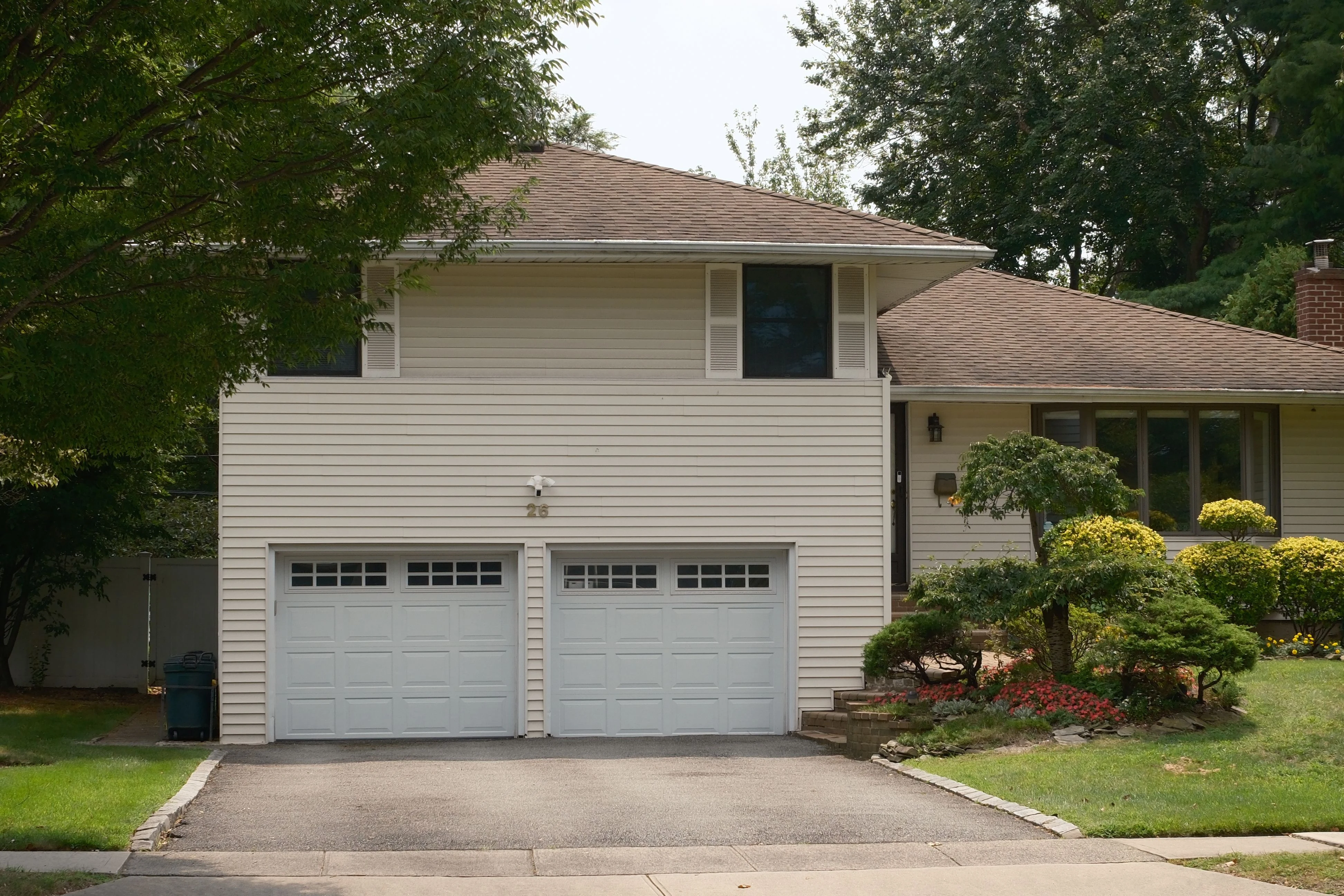
Parker's homes cluster around a median build year of 2005, putting most garage doors here on torsion springs original to the 2000s stock this suburb is built from. Springs are rated for a cycle count, not a calendar, but a spring installed when a house was built in the early 2000s is now old enough that its wind count is catching up with it regardless of how carefully the door's been used. Parker sits in the moderate end of the region's heat band, so spring failure here comes more from cycle fatigue on wide, heavy doors than from thermal swings that crack coil. That's a real distinction - some parts of the country lose springs to hard freeze-thaw cycling, and that's not what's driving failures out here. What is driving it: doors sized for two-car and larger garages, opened multiple times a day, on springs that have now logged fifteen-plus years of winds. Add a garage that runs warmer in summer with a car parked inside, and the steel just fatigues at the coil ends first, which is where you'll usually see the gap open up before a full break.
How we work
A broken spring shows up in several ways, from a door that won't lift to a bang you feel in the house. Here is what to check - and the load imbalance we look for on a double-wide door.
The most common sign is a door that won't lift, or lifts only a few inches before the opener strains and stalls. That's the opener trying to move a door the spring is no longer helping to counterbalance.
Look at the spring itself, mounted above the door on the horizontal shaft - a broken one usually shows a visible gap in the coil, sometimes with the two ends twisted apart.
You might also hear a loud bang from the garage, often mistaken for something falling, which is the sound of a torsion spring letting go under tension.
Less dramatic but just as telling: the door feels heavier than usual when you lift it by hand with the opener disconnected, or the cables look loose and slack at the bottom corners even though the door hasn't moved.
If your double-wide door is only lifting unevenly, one side higher than the other, that's often one spring failing while its match on the other side is still holding, which is exactly the kind of load imbalance we check when we're on site.
Questions
We travel the 4 miles from Allen for every Parker call since there's no separate branch here. We don't have a fixed number to promise for arrival time, but we'll tell you honestly on the phone whether a truck can get to you same day or whether it's next-day, based on what's already booked.
Wide garage doors in Parker's 2000s-era homes are built to run on two matched torsion springs sharing the load evenly. If one has broken, the other has usually logged the same number of open-close cycles and is close behind it, so we generally replace both at once rather than leave a mismatched pair.
Yes. Torsion springs are rated by wind cycles, not years, and a spring installed when your Parker home was built in the early 2000s has likely used up most of that rating by now through ordinary daily use. Failure at this age is expected, not a sign anything was done wrong.
No. A torsion spring holds the full weight of the door under tension, and a stretched or partially wound spring is unpredictable under load. We replace the pair rather than adjust one, since a failed adjustment can snap suddenly while the door is moving.
Explore more
Ready when you are
Allen Garage Door Co repairs and installs garage doors, springs and openers in Allen, TX and the surrounding area.